The Role of Kindness and Altruism in Personal Fulfillment
18 December 2025
Let’s be real — life can feel like a rush of deadlines, social media scrolls, and never-ending to-do lists. It’s easy to get caught up in the chaos, always chasing the next goal, only to end up feeling... well, a bit empty. Sound familiar? Here's the twist: sometimes, the key to feeling truly fulfilled isn’t about what we accomplish for ourselves — it’s about what we do for others.
Yep, we’re talking about kindness and altruism. Not the fluffy, Hallmark card kind (though those are cool too), but the real, everyday, science-backed kind of kindness that actually impacts your mental well-being. So, grab your favorite cup of coffee or tea, get comfy, and let’s unpack how being kind can seriously boost your life satisfaction in ways you might not expect.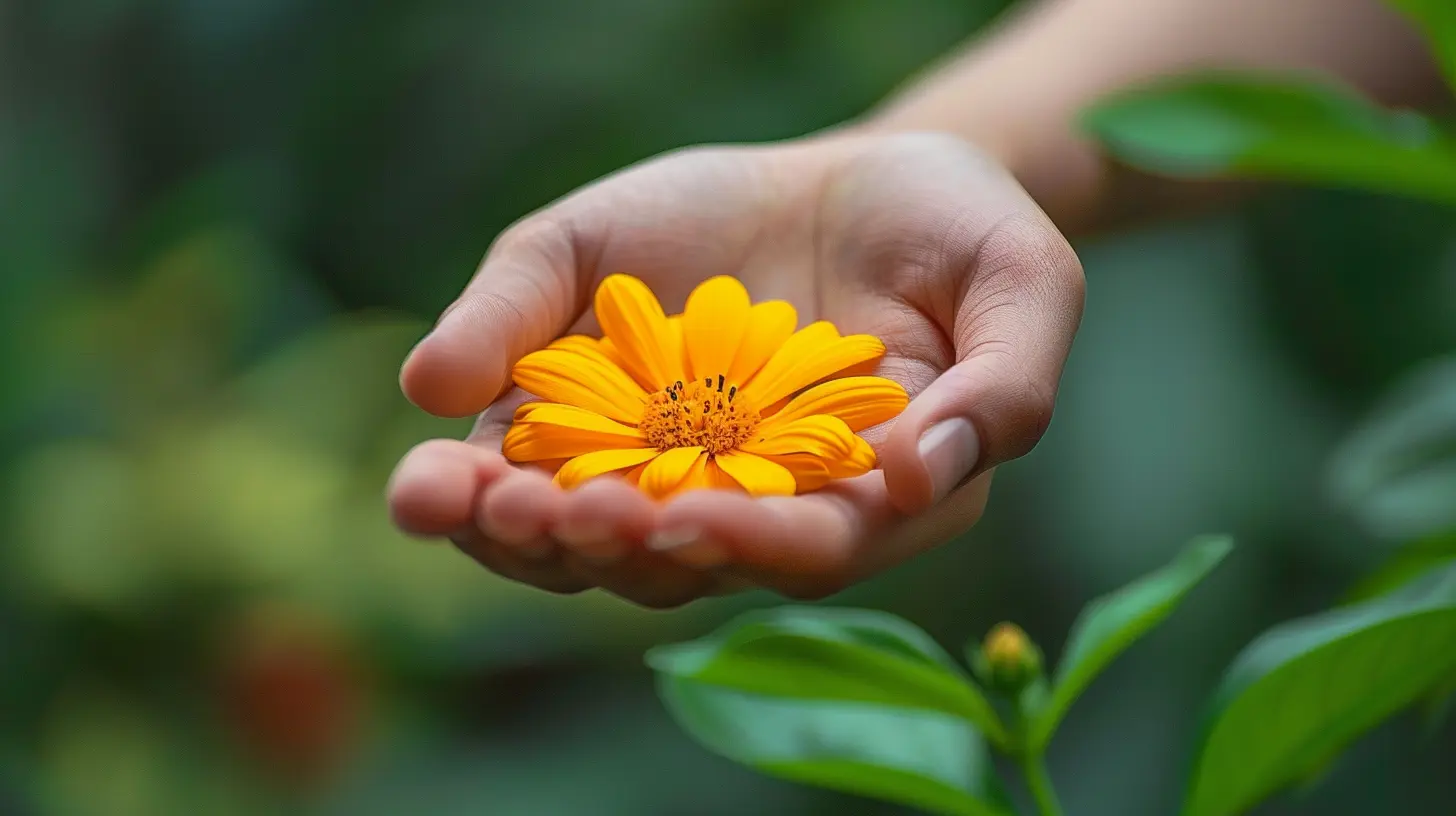
What the Heck Is Personal Fulfillment Anyway?
Before we dive into the warm fuzzies of kindness, let’s clarify what we mean by personal fulfillment. It’s that deep-seated feeling that your life has meaning, purpose, and joy. It’s waking up in the morning with a sense of contentment and going to bed feeling like you’ve lived a good day. Pretty sweet, right?Now here’s the kicker — personal fulfillment isn’t always about climbing the career ladder, buying a new car, or finally mastering sourdough bread (though all those things are wins). A growing body of psychology research suggests that one of the most powerful ways to truly feel fulfilled is by making life a little better for someone else.
Kindness vs. Altruism: Same Vibe, Slightly Different Tunes
Let’s break down the terms real quick, because while they often go hand-in-hand, they’re not exactly twins.- Kindness is that everyday act of goodness. Smiling at a stranger, holding the door open, texting a friend to check in — simple stuff, but powerful.
- Altruism is when you go a step further. It’s selfless. It means doing something purely for someone else’s benefit, with no expectation of a return favor.
Think of kindness as your daily smoothie — easy, nutritious, and quick. Altruism? That’s more like planning a surprise birthday party. Takes more effort, but oh man, the payoff is beautiful.
The Psychology of Kindness: Why Being Nice Feels So Dang Good
Let’s geek out for a sec. Research in positive psychology shows that kind acts light up the brain's reward system. You know that little happy buzz you get after doing something nice? That’s thanks to dopamine — the so-called "feel-good" neurotransmitter.But wait, there’s more! Helping others also triggers the release of oxytocin (aka the love hormone) and endorphins (your natural painkillers). Together, they create what scientists call the “helper’s high.” Sounds fancy, right? Translation: being kind makes you feel awesome. No side effects. No prescription needed.
And here's something even cooler — consistent acts of kindness can actually reduce stress, boost your immune system, and even extend your lifespan. It's like nature's way of saying, “Hey, being a good human really pays off.”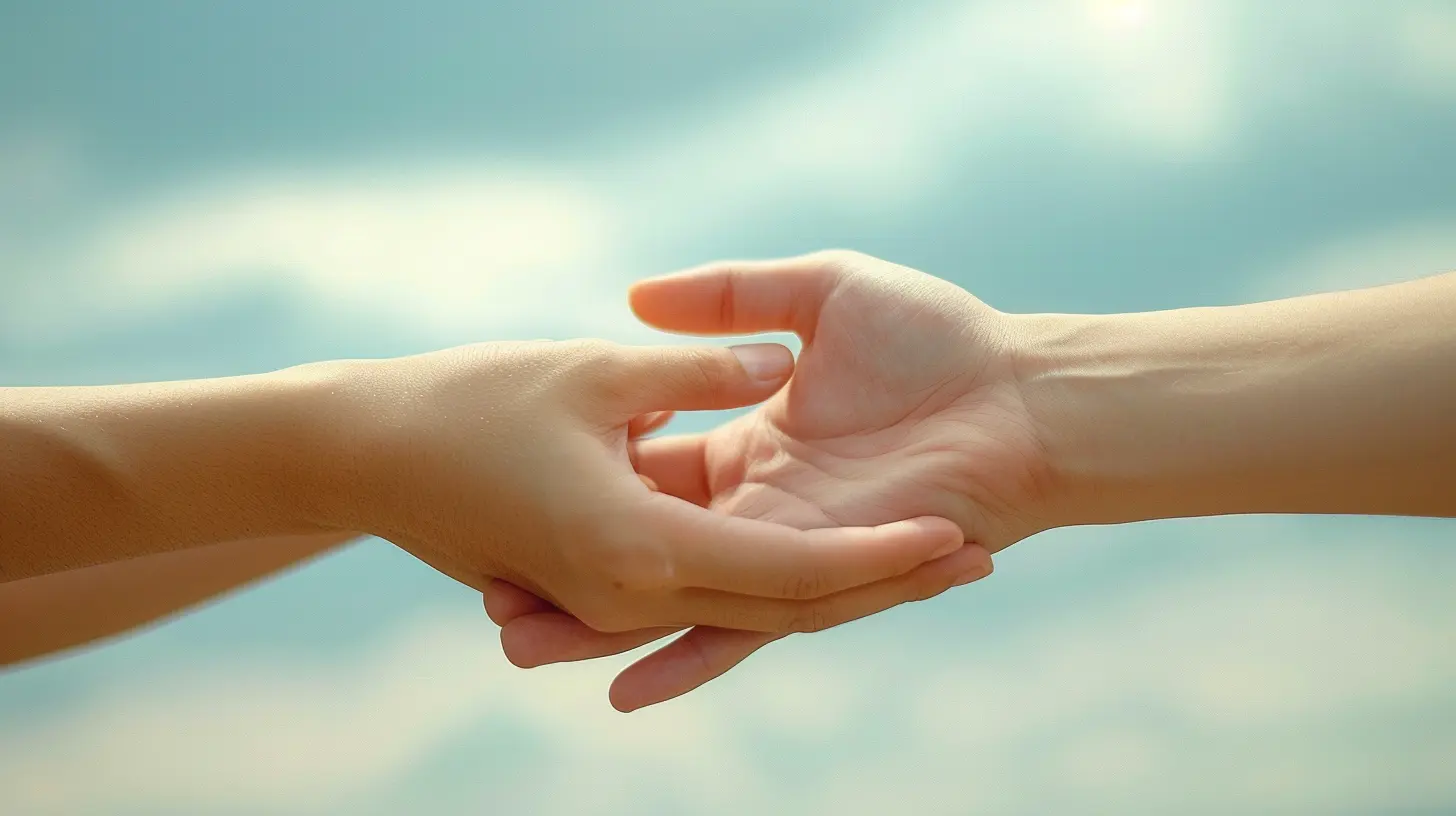
Why Giving Feels Better Than Receiving
Remember how excited you were the last time you gave someone a surprise gift and saw their face light up? That joy? That's real science at work. Studies show that people who give to others — whether it’s their time, money, or effort — report greater happiness than those who spend the same resources on themselves.Crazy, right? But it makes sense. Giving shifts the focus from "me" to "we." It pulls us out of our own heads and into connection with others. And that connection is the golden ticket to personal fulfillment.
Kindness as a Life Hack for Meaning
Here’s where things get even deeper. Being kind isn’t just about boosting your mood for five minutes. It actually helps you find meaning in life.And meaning, according to researchers, is one of the most important ingredients in long-term happiness. It's what helps us get through hard times, bounce back from setbacks, and look back at our lives with pride.
When you help someone — whether it’s mentoring a struggling coworker or donating to a food bank — you’re playing a role in someone else’s story. That gives your life narrative a bit more depth, and suddenly, it’s not just about you. It’s about the ripple effect you’re creating. Kind of beautiful, don’t you think?
Altruism and the Identity Upgrade
Here’s a fun idea: what if you started seeing yourself as “someone who helps others”? This little identity shift can be a game-changer.Because once your identity includes being kind and altruistic, your actions start aligning with that belief. You’re more likely to look for opportunities to help, show empathy, or just be a better listener. And every time you act on those values, your self-worth gets a nice little upgrade. It’s like leveling up in a video game — only the reward is feeling more like the person you’ve always wanted to be.
Acts of Kindness That Fit Into Real Life
You might be thinking, “This all sounds great, but I’m not Mother Teresa — I barely have time to fold my laundry. How do I actually do this?”Great question. The good news? Kindness doesn’t have to be a grand gesture. In fact, the small stuff often matters the most.
Here are a few bite-sized ways to sprinkle kindness into your daily routine:
- Send a "thinking of you" text to someone who’s had a rough week
- Pay for the coffee of the person behind you in the drive-thru
- Compliment a coworker on their killer presentation
- Offer to babysit for a friend who looks like they’re about to lose it
- Pick up trash during your daily walk (Mother Nature needs love too)
It’s not about doing everything. It’s about doing something — consistently and intentionally.
What If You’re Kind and People Don’t Notice?
Ah, the tricky part. Sometimes, being kind can feel thankless. You might give and not get appreciation in return. That stings, right?But here’s the truth bomb: kindness isn’t about getting applause. It’s about integrity. It’s about being the kind of person who makes the world a little better — whether anyone sees it or not.
And remember, your brain and body still get all those amazing benefits, even if the person you helped doesn’t throw a parade in your honor. You’re doing it for you just as much as for them.
Can We Be Too Kind?
Alright, it’s worth asking — can you overdo it?Short answer? Yep.
It’s called "pathological altruism," and it happens when you're so focused on helping others that you forget to help yourself. You’re giving and giving, until you burn out or become resentful.
Balance, my friend. It’s everything. You can be compassionate and still hold boundaries. You can be generous and still say “no” when you're stretched thin. Taking care of yourself is what allows you to keep being kind — sustainably and joyfully.
Teaching Kindness: The Ripple Effect on Family and Community
Want to create a legacy? Teach kindness. Whether you're a parent, teacher, friend, or neighbor, your actions influence the people around you more than you realize.Kids, especially, are little kindness sponges. When they see adults being thoughtful, empathetic, and helpful, they internalize those behaviors. Before you know it, you’ve sparked a whole chain reaction of goodness — no cape required.
And in communities? Kindness is contagious. Studies have shown that when people witness acts of generosity, they’re more likely to pay it forward. So your small act could be the pebble that starts a wave. Pretty cool, huh?
Kindness in the Age of Isolation (Hello, Internet Age)
Let’s face it — loneliness is on the rise. Despite being more connected than ever digitally, many of us are starved for real connection.Here’s where kindness becomes revolutionary. A smile, a heartfelt comment, a genuine conversation — these are tiny revolts against the culture of isolation. They remind others (and ourselves) that we’re not alone. That we matter. That someone sees us.
And if that’s not a recipe for fulfillment, I don’t know what is.
Wrapping It Up: Be Kind, Feel Full
So here's the bottom line: you don’t have to meditate on a mountaintop or quit your job to chase personal fulfillment. Sometimes, it’s as simple as being a decent human being.Kindness and altruism aren't just nice-to-have traits; they’re the secret sauce to living a rich, meaningful life. They're like emotional vitamins — invisible, powerful, and essential.
Will it fix everything? No. But it’ll make the ride a whole lot more joyful, and the world just might smile a little more because of you.
So go ahead — hold the door, send that kind text, or volunteer for a cause that lights you up. You’ll be helping others, sure. But you’ll also be fueling your own emotional engine. And that, my friend, is the kind of fulfillment that truly lasts.
all images in this post were generated using AI tools
Category:
Positive PsychologyAuthor:

Ember Forbes
Discussion
rate this article
2 comments
Flynn Weber
In a world often clouded by self-interest, kindness and altruism shine as beacons of hope. Embracing these values not only elevates the spirits of others but also enriches our own lives. Let us cultivate compassion and generosity, for in giving, we truly find ourselves.
December 19, 2025 at 4:54 PM
Ember Forbes
Thank you for your thoughtful comment! I completely agree—kindness and altruism are indeed powerful forces that enrich both our lives and those around us. Let's continue to spread compassion!
Imani Conrad
Kindness and altruism aren’t just feel-good buzzwords; they’re the secret sauce to a fulfilling life. So, if you're not sharing the love, what are you even doing? Time to sprinkle some generosity around and watch your happiness levels soar—no selfies needed!
December 18, 2025 at 5:30 AM
Ember Forbes
Absolutely! Kindness and altruism are powerful drivers of personal fulfillment, enhancing our lives and the lives of others. Let’s spread that positivity!