The Psychology of Clutter: How a Clean Environment Enhances Mental Clarity
15 February 2026
Let’s be honest—how often have you walked into a messy room and instantly felt overwhelmed, anxious, or just plain irritated? If your answer is anything close to "always", you’re not alone. Clutter doesn’t just invade your physical space; it sneaks into your mind, clouds your thinking, and messes with your mood.
Now here’s the good news: You can take back control. Understanding the psychology of clutter isn’t just about tidying up your room—it’s about clearing space in your mind for peace, focus, and mental well-being. Let’s dig into how a clean environment really does lead to a clearer mind, and why it might be the game-changer you didn’t know you needed.
What Exactly Is Clutter?
Clutter isn't just stacks of old magazines or clothes you haven’t worn since 2011. It’s anything in your space that doesn’t serve a purpose or bring you joy. That crammed junk drawer? Clutter. That pile of unopened mail? Clutter. Even your desktop full of files you haven’t looked at in months? Yep—digital clutter is real too.But clutter is more than "stuff." It represents decisions unmade, tasks undone, and sometimes, emotions unprocessed. No wonder it can feel like a mental weight.
Clutter Equals Chaos – Here’s Why
Our brains love order. When our surroundings are chaotic, our minds tend to follow suit. Research in the field of environmental psychology shows that disorganized spaces increase cortisol, the stress hormone. Think of clutter like background noise for your brain—it’s always there, subtly nagging and distracting you even when you’re not actively thinking about it.Have you ever tried to work in a messy room? It feels like your thoughts are playing bumper cars. The to-do list grows longer, your patience gets shorter, and focusing becomes a Herculean task.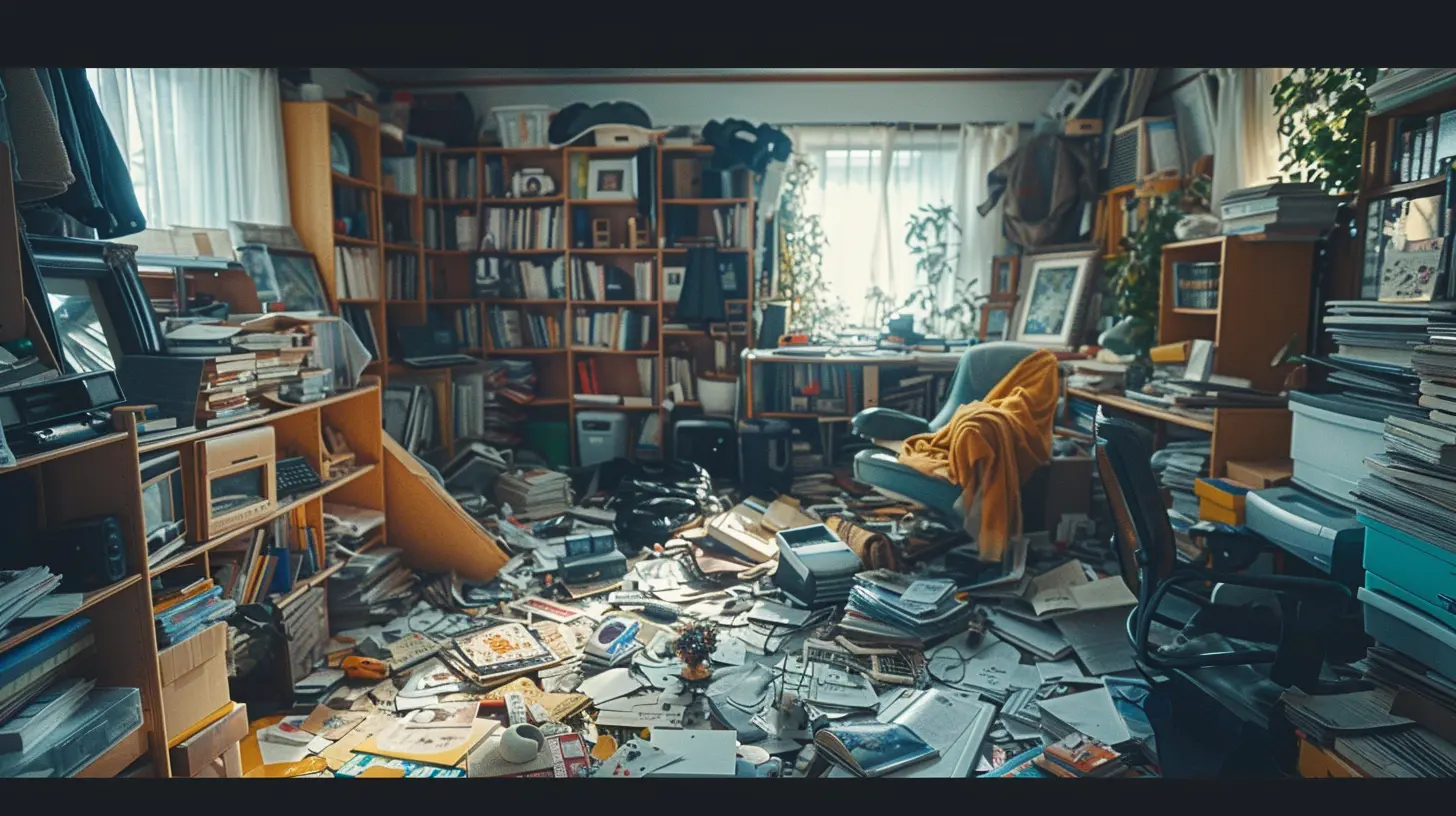
The Mental Cost of Clutter
Let’s get real: clutter doesn’t just look bad—it steals your energy and fogs your mind. Here's how:1. Clutter Affects Your Focus
A cluttered space bombards your brain with excess stimuli. This forces your mind to filter unnecessary information constantly, which in the long run, drains your cognitive resources. It’s like trying to have a deep conversation in a room full of shouting people. Exhausting, right?2. Clutter Increases Stress and Anxiety
Nothing is more stressful than not being able to find what you need when you need it. Or worse—feeling like your personal space is out of control. That low-grade tension you carry all day? Clutter could be the silent culprit.3. Clutter Can Affect Your Self-Esteem
Living in clutter often leads to internalized shame. “Why can’t I keep things organized?” You start to question your abilities, your motivation, even your worth. And let’s be honest—when your space is a mess, inviting others over is the last thing you want to do.4. Clutter Fuels Procrastination
Surrounded by clutter, everything suddenly feels more difficult. You get overwhelmed, and instead of tackling tasks, you avoid them. It’s the classic “I’ll start once I clean up” cycle. But then you don’t clean up, and nothing gets done.
The Link Between Clean Spaces and Mental Clarity
Now let’s flip the script. Imagine walking into a clean, organized room. Your bed is made. Counters are clear. Everything has a place. What’s the vibe? Calm. Focused. Inviting. That's not just a feeling—it's psychology in action.Here’s how a clean environment boosts mental clarity and emotional well-being:
1. Boosts Productivity
When your space is clean, your brain doesn’t have to waste energy filtering distractions. That means more brainpower for solving problems, making decisions, and getting things done.2. Fosters a Sense of Control
Life is full of stuff we can’t control. But your environment? That’s in your hands. Keeping a clean space can boost your confidence and give you a greater sense of autonomy.3. Improves Mood
No joke—clean spaces feel good. They bring a sense of calm, reduce anxiety, and even spark joy. Just like how a hot shower can wash away a bad day, cleaning your space can reset your emotional state.4. Encourages Mindfulness
Cleaning and organizing can actually be meditative. It pulls you into the present moment. As you tidy up, you're making intentional choices, and that mindfulness has mental health benefits all on its own.The Science Behind the Serenity
Let’s sprinkle in a bit of science because yes, this stuff is backed by research!A study published in the journal Personality and Social Psychology Bulletin found that women who described their homes as “cluttered” or “unfinished” were more likely to be depressed and fatigued than those who described their homes as “restful” or “restorative.”
Another study from Princeton University Neuroscience Institute found that physical clutter in your surroundings competes for your attention, resulting in decreased performance and increased stress.
Translation? A clean space doesn’t just look nice—it fundamentally changes the way your brain functions.
So… How Do You Start Decluttering?
If the idea of cleaning your entire house feels about as doable as climbing Mount Everest barefoot, take a breath. You don’t need to overhaul your life in 24 hours. Just start small.1. The One-Drawer Rule
Pick one drawer. Just one. Clean it out. Toss what you don’t need. You'll feel a tiny spark of achievement that can build momentum.2. Set a Timer
Even 10 minutes of focused decluttering is better than none. Set a timer, clean one area, and then stop. If you feel good, keep going. If not, you’ve still made progress.3. Go Room by Room
Break it down. Kitchen today, bedroom tomorrow. Baby steps, not burnout.4. Adopt the “One In, One Out” Rule
Any time you buy something new, get rid of something old. This keeps clutter from creeping back in.5. Create Zones
Designate specific areas for specific things—keys by the door, mail on the desk, shoes in the closet. Knowing where things go minimizes mess.Decluttering Is Self-Care, Not a Chore
Here’s a mindset shift: stop thinking of cleaning as a chore. Instead, think of it as a radical act of self-care. Every item you put in its place is like telling your brain, “You matter. Your peace matters.”Your environment is an extension of your mind. When we take care of our space, it can take care of us.
The Emotional Side of Letting Go
Decluttering isn’t always easy. We attach emotions, memories, and even identity to our stuff. But here’s a hard truth—our memories aren’t in our objects. They’re in us. You’re not throwing away your grandmother by donating her old lamp. You’re simply making space for your life as it is now.Letting go doesn't mean forgetting. It means moving forward. And nothing fuels mental clarity like giving yourself permission to live in the present.
A Cleaner Space, A Clearer Mind
Imagine waking up in a room where the sun shines through uncluttered windows, your floors welcome bare feet, and everything you need is right where it should be. That’s not just a Pinterest dream—it’s achievable. One drawer at a time. One mindful choice at a time.When your environment supports your goals, your mind is free to chase them. Whether you’re striving for more peace, more focus, or simply breathing easier—decluttering is the key to unlocking a better version of yourself.
So, what are you waiting for? Grab a box, roll up your sleeves, and start clearing your path to mental clarity—literally.
Final Thoughts
Clutter is more than a mess; it’s a message. It speaks volumes about what we’re avoiding, what we’re holding onto, and what we’re ready to change. The beauty is, you can rewrite the story at any time. A cleaner environment isn’t just nice to look at—it’s nurturing for your soul, your sanity, and your potential.Tidy space, tidy mind. It’s more than a saying—it’s a lifestyle worth embracing.
all images in this post were generated using AI tools
Category:
Mental ClarityAuthor:

Ember Forbes
Discussion
rate this article
2 comments
Opal McGivern
Ever notice how cleaning can feel like a mini therapy session? Dust bunnies, beware! It’s amazing how decluttering not only clears physical space but also makes room for fresh ideas—like suddenly realizing you need a pet rock collection. Who knew mental clarity came with a side of whimsy?
February 24, 2026 at 3:32 AM
Ember Forbes
Absolutely! There's something therapeutic about decluttering. It's like clearing the mind and inviting new creativity. Who knows what fun ideas might emerge next?
Cruz Lamb
This article insightfully highlights the profound connection between our surroundings and mental well-being. A clutter-free environment truly fosters clarity, reduces stress, and enhances focus—an essential reminder for promoting a healthier mindset.
February 21, 2026 at 4:22 PM
Ember Forbes
Thank you for your thoughtful comment! I'm glad you found the connection between a clean environment and mental well-being insightful.