The Impact of Workplace Design on Employee Well-being
9 July 2026
When was the last time you thought about your workplace design? I mean, really thought about it. It might seem like just a backdrop, but the design of a workspace can have a profound influence on how we feel, think, and perform. From office layouts to lighting and even the colors on the walls, everything plays a role in shaping employee well-being.
In today's fast-paced world, where many of us spend a good chunk of our lives at work, the importance of creating a healthy and productive environment can't be overstated. So, let’s dive in and explore the impact of workplace design on employee well-being.
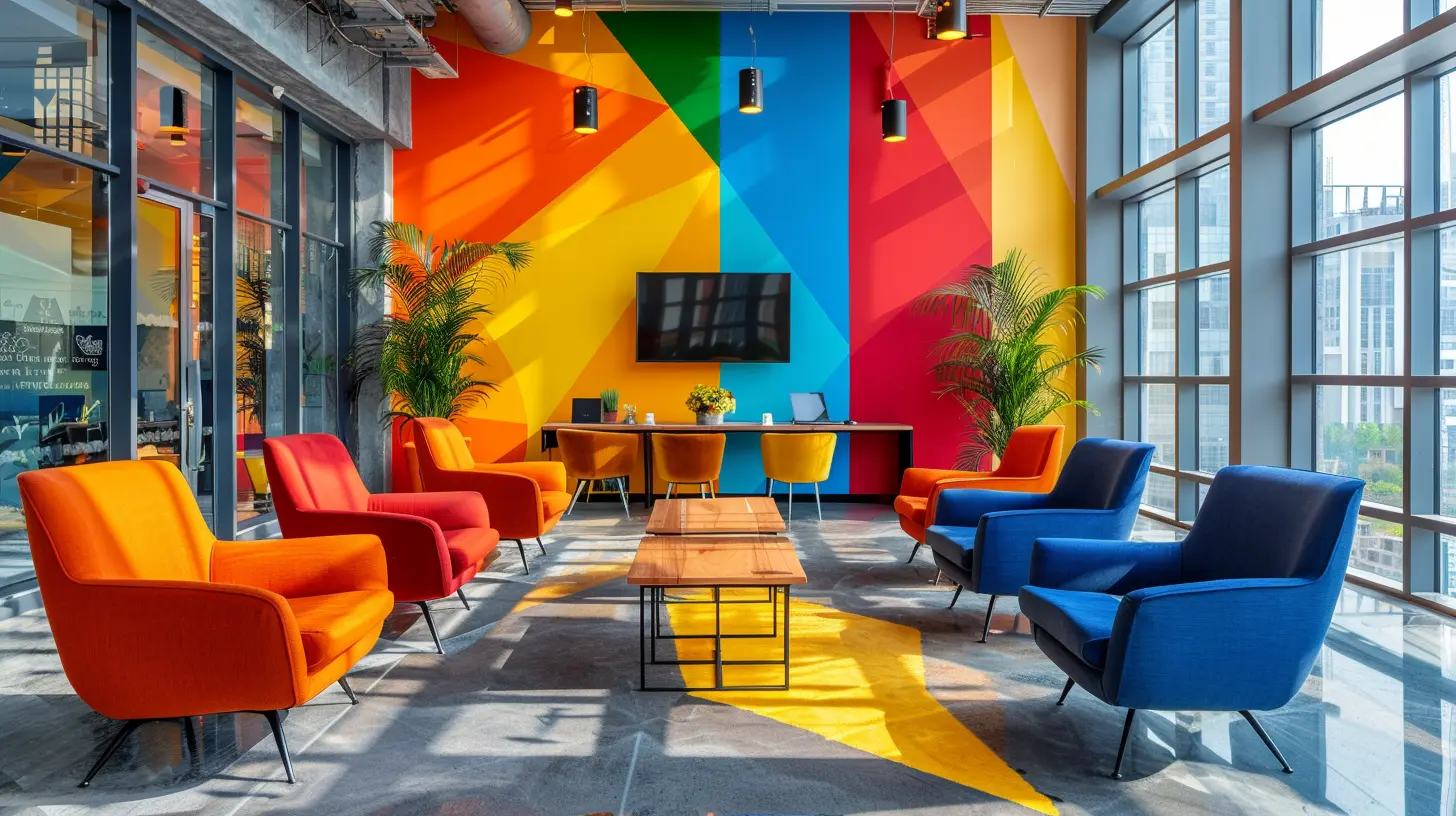
The Connection Between Environment and Mental Health
Before we get into the nitty-gritty, it's important to understand why workplace design matters so much. Our physical environment affects our mental state. Think about it: have you ever walked into a room and instantly felt more relaxed or, on the flip side, more stressed? That’s because our surroundings directly impact our mood.In the context of work, where stress levels can already be high, creating a space that supports relaxation and productivity is key. Poorly designed workplaces can lead to a host of issues, including burnout, lack of motivation, and even mental health problems like anxiety and depression. On the other hand, a well-thought-out design can foster creativity, collaboration, and a sense of belonging.
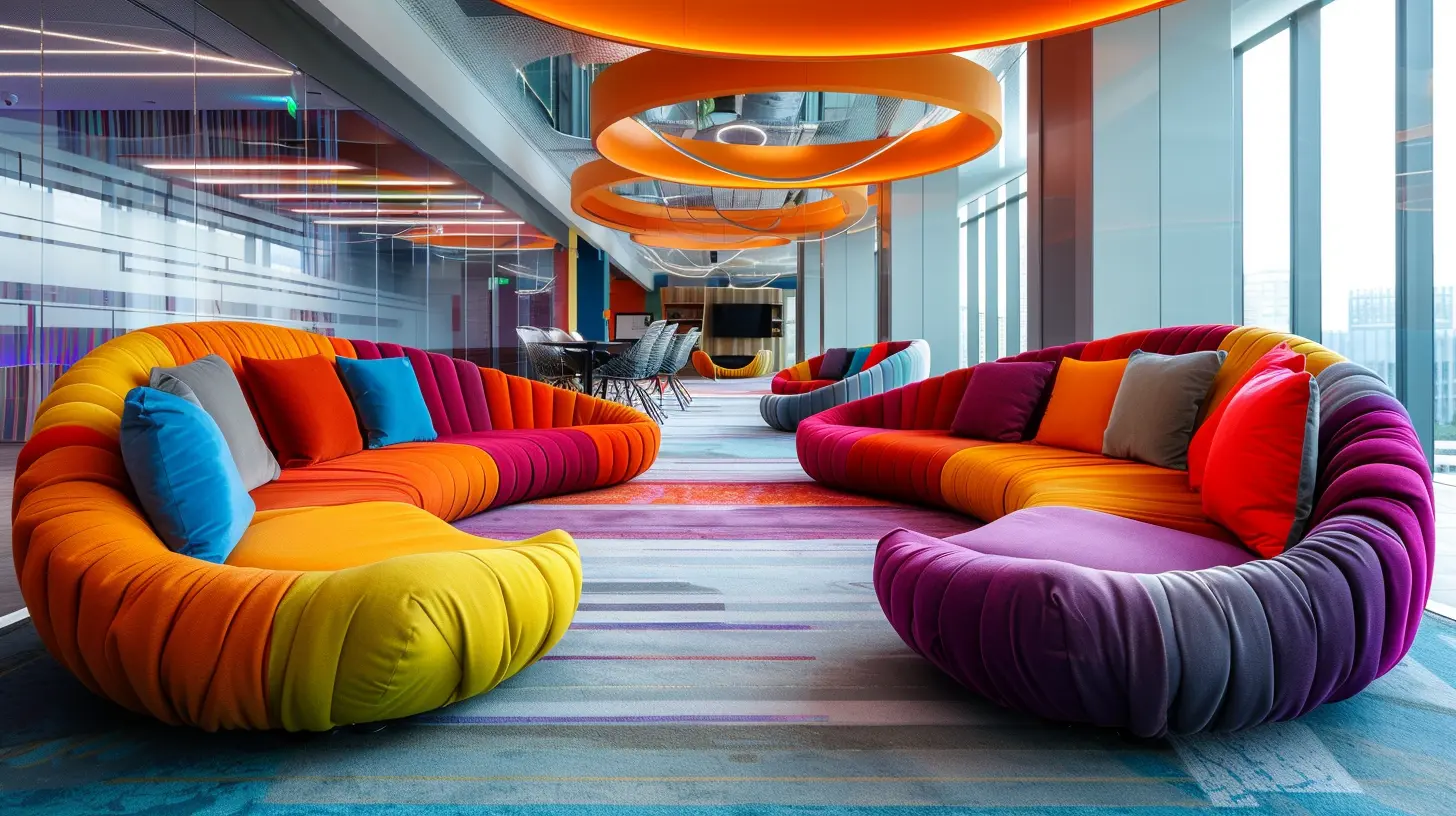
The Role of Office Layout
Let’s start with the big one: office layout. Open-plan offices have been all the rage for the last decade. The idea was simple – break down the walls (literally) and foster open communication, collaboration, and innovation. But, as it turns out, open-plan offices can sometimes do more harm than good.While the intention is to foster collaboration, some employees find open-plan layouts distracting. The constant noise, lack of privacy, and interruptions can make it difficult to focus. According to a Harvard Business Review study, face-to-face interactions actually decreased by 70% in open-plan offices, while digital communication like emails and messaging apps skyrocketed. Crazy, right?
So, what works? Flexible office designs. These provide employees with options. Think of it like a buffet: some days you might want the salad bar (quiet rooms for focused work), and other days, you might go for the main course (open spaces for collaboration). Allowing employees to choose what works best for them on any given day can greatly enhance their well-being and performance.
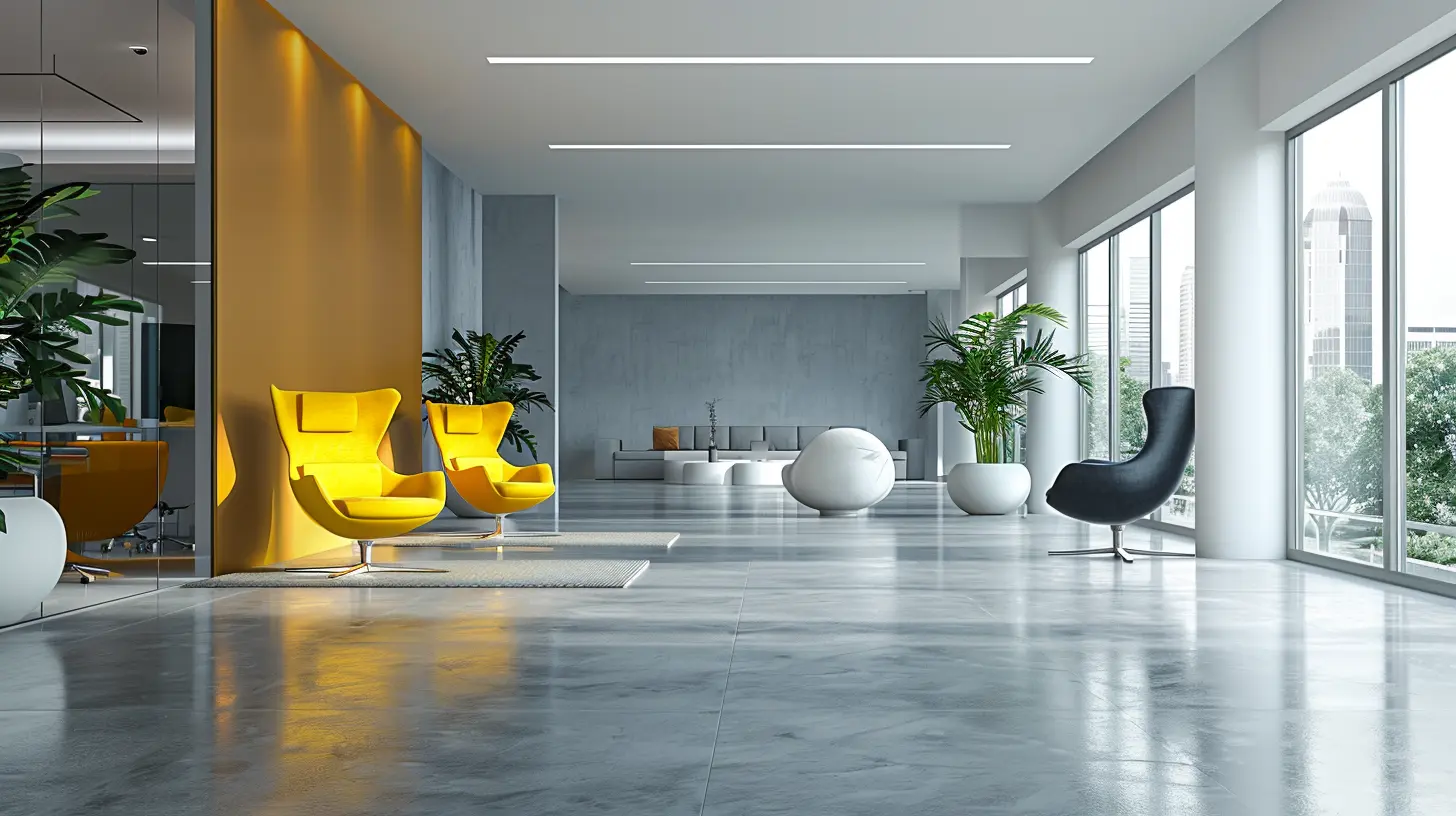
Lighting: More Than Just Brightness
Ever noticed how a dimly lit room can make you feel sleepy, while a brightly lit space can make you feel alert? That’s because lighting plays a huge role in how our brains function. In fact, exposure to natural light has been shown to improve mood, reduce fatigue, and even increase productivity.Natural light is the gold standard. It helps regulate our circadian rhythms (our internal body clocks), which in turn, improves sleep patterns and overall health. But let’s be real – not every office is blessed with floor-to-ceiling windows. So, what do you do if your workspace is more dungeon than daylight?
In that case, artificial lighting can be optimized. Use cool, white light during working hours to mimic daylight and keep energy levels high. And if you're dealing with screens all day, consider reducing harsh overhead lighting to minimize eye strain. Trust me, your eyes will thank you.
The Power of Color Psychology
Colors are more than just aesthetic choices – they can influence our emotions and behaviors. In fact, entire fields of study focus on color psychology and how different hues affect our mental state.For example, blue is often associated with calmness and stability, making it a great choice for high-pressure environments. Green, on the other hand, is known to reduce eye strain and create a sense of balance, which is why it’s often used in creative spaces.
But it’s not just about calming colors. Sometimes, you want to spark a little energy. Bright colors like yellow and orange can promote enthusiasm and creativity. However, there’s a fine line – too much bold color can be overwhelming. A well-balanced palette that mixes calming tones with energizing accents is the way to go.
The Importance of Ergonomics
Have you ever had a sore neck or back after sitting at your desk all day? That’s a classic sign of poor ergonomics. Ergonomics is the science of designing spaces that fit the human body, and it’s a key part of workplace design.When employees are uncomfortable, they’re not just physically affected – it also impacts their mental well-being. Poor posture can lead to chronic pain, which in turn, can cause frustration, irritability, and even depression over time.
Investing in ergonomic furniture, like adjustable chairs, sit-stand desks, and properly positioned computer monitors, can make a world of difference. It’s not just about avoiding discomfort – it’s about improving overall health, which in turn boosts productivity and job satisfaction.
Biophilic Design: Bringing Nature Indoors
Biophilic design is a fancy way of saying, “let’s bring the outdoors inside.” This design approach integrates natural elements like plants, natural light, and water features into the workspace. And guess what? It’s not just about making the space look nice; there’s science to back it up.Studies have shown that incorporating elements of nature into the workplace can reduce stress, improve mood, and even lower blood pressure. Ever notice how a simple desk plant can brighten your day? That’s biophilic design at work.
If going full jungle isn’t feasible, even small touches can make a difference. A plant on your desk, a nature-themed mural, or even wood textures can create a more calming and inspiring environment.
Acoustics: Sound Matters More Than You Think
Noise is one of the most common complaints in office environments. Whether it's the constant hum of air conditioning, the chatter of coworkers, or the clicking of keyboards, noise pollution can significantly affect employee concentration and stress levels.In fact, research shows that noisy environments can reduce productivity by up to 66%. But it’s not just about productivity – constant noise can also have long-term effects on mental health, leading to increased stress and even burnout.
Soundproofing certain areas, adding acoustic panels, or using noise-canceling headphones can help. Quiet zones or designated “focus areas” where employees can retreat when they need to concentrate can also be a game-changer.
Personalization: Making the Workspace Your Own
We all like to feel a sense of ownership over our space, right? Allowing employees to personalize their workspace is a simple yet effective way to boost well-being. Whether it’s family photos, art, or quirky desk accessories, these personal touches can make the environment feel less sterile and more inviting.When employees have the freedom to make their workspace their own, they’re more likely to feel comfortable and connected to their work. It’s a small change that can have a big impact on morale and job satisfaction.
Breakout Spaces: The Value of Taking a Break
We’ve all heard the saying, “All work and no play makes Jack a dull boy.” Well, it’s true! Employees need spaces where they can step away, recharge, and reset their minds.Breakout spaces, or relaxation zones, are areas where employees can take a breather. Whether it’s a comfy lounge, a café-style hangout spot, or even game rooms, these areas provide a much-needed mental break from the daily grind.
Incorporating breakout spaces into the workplace design shows employees that their well-being is a priority, and it encourages them to take breaks, which can actually boost productivity in the long run.
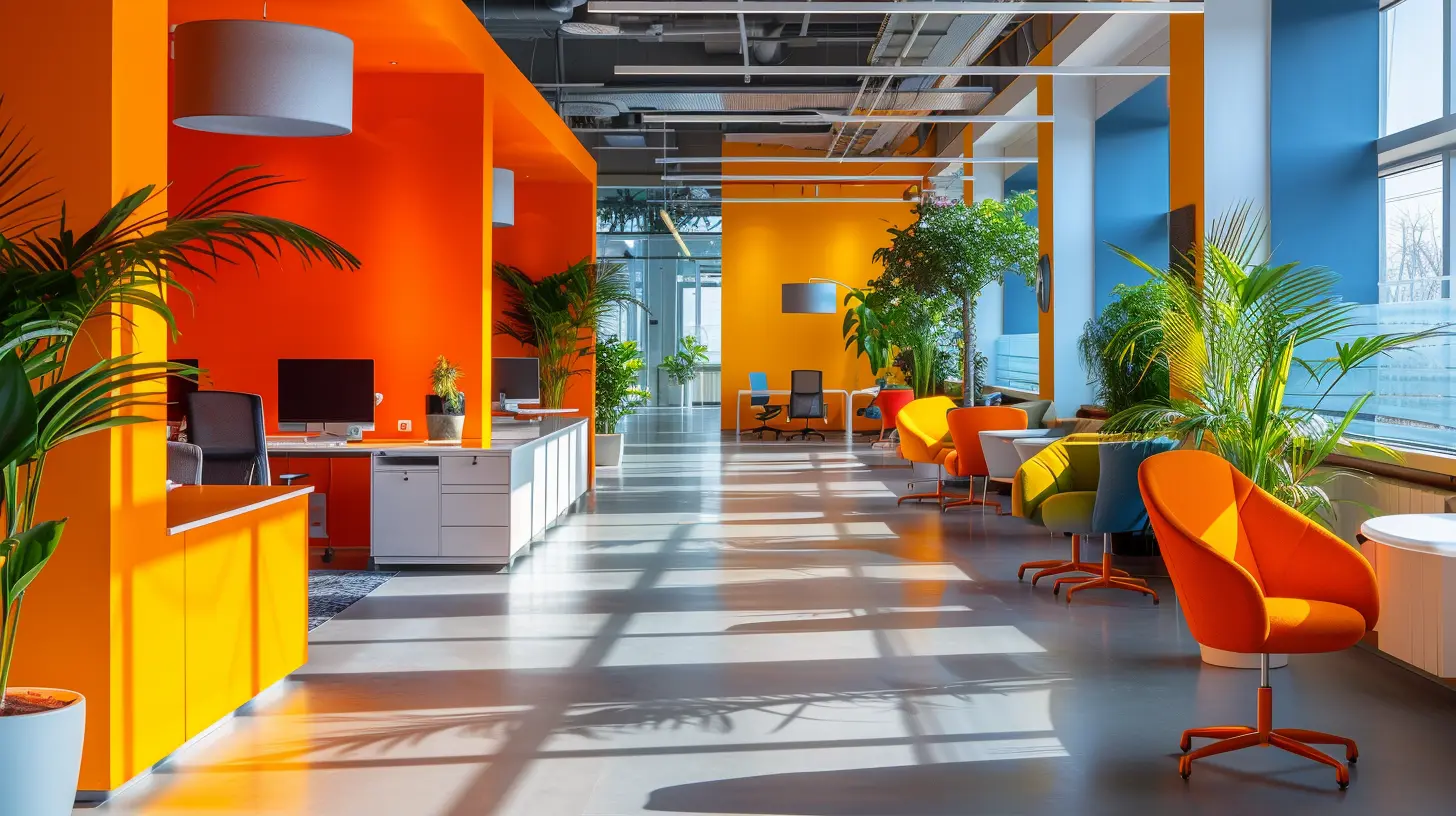
Final Thoughts: The Future of Workplace Design
Workplace design is no longer just about aesthetics or fitting as many desks as possible into a room. It’s about creating an environment that supports the well-being of employees, both mentally and physically. As we’ve seen, factors like office layout, lighting, color, ergonomics, and even acoustics all play a role in shaping how employees feel and perform.In the future, we can expect even more emphasis on creating adaptable, flexible spaces that cater to individual needs. After all, a happy, healthy employee is a productive one. So, next time you walk into your office, take a moment to notice your surroundings – they might be influencing you more than you think.
Let’s create workplaces that don’t just work for us but also support us in being our best selves.
all images in this post were generated using AI tools
Category:
Workplace PsychologyAuthor:

Ember Forbes
Discussion
rate this article
1 comments
Rune McIntosh
Great insights on how workplace design affects well-being! It's amazing how a little creativity in our surroundings can boost mood and productivity. Let's advocate for spaces that inspire and uplift us. A happy workplace can make all the difference!
August 13, 2026 at 4:57 PM
Ember Forbes
Thank you! I'm glad you found the article helpful. Creating inspiring spaces truly can transform the workplace experience. Let's keep pushing for designs that enhance well-being.