The History of Psychological Testing: From Phrenology to Modern Science
7 July 2026
Let’s talk about something that kind of flies under the radar but has had a massive influence on how we understand people—psychological testing. You’ve probably heard of IQ tests, personality quizzes, or even those fun (but not-so-scientific) online tests that claim to reveal your "true self." But where did it all begin? How did we go from rubbing skulls and measuring bumps (yep… that was a thing) to the modern-day assessments used in classrooms, clinics, and HR offices?
In this article, we’re going to take a walk through the fascinating history of psychological testing. And trust me, it's not just about dusty old theories—it's a journey that reveals how we’ve tried to make sense of the human mind for centuries.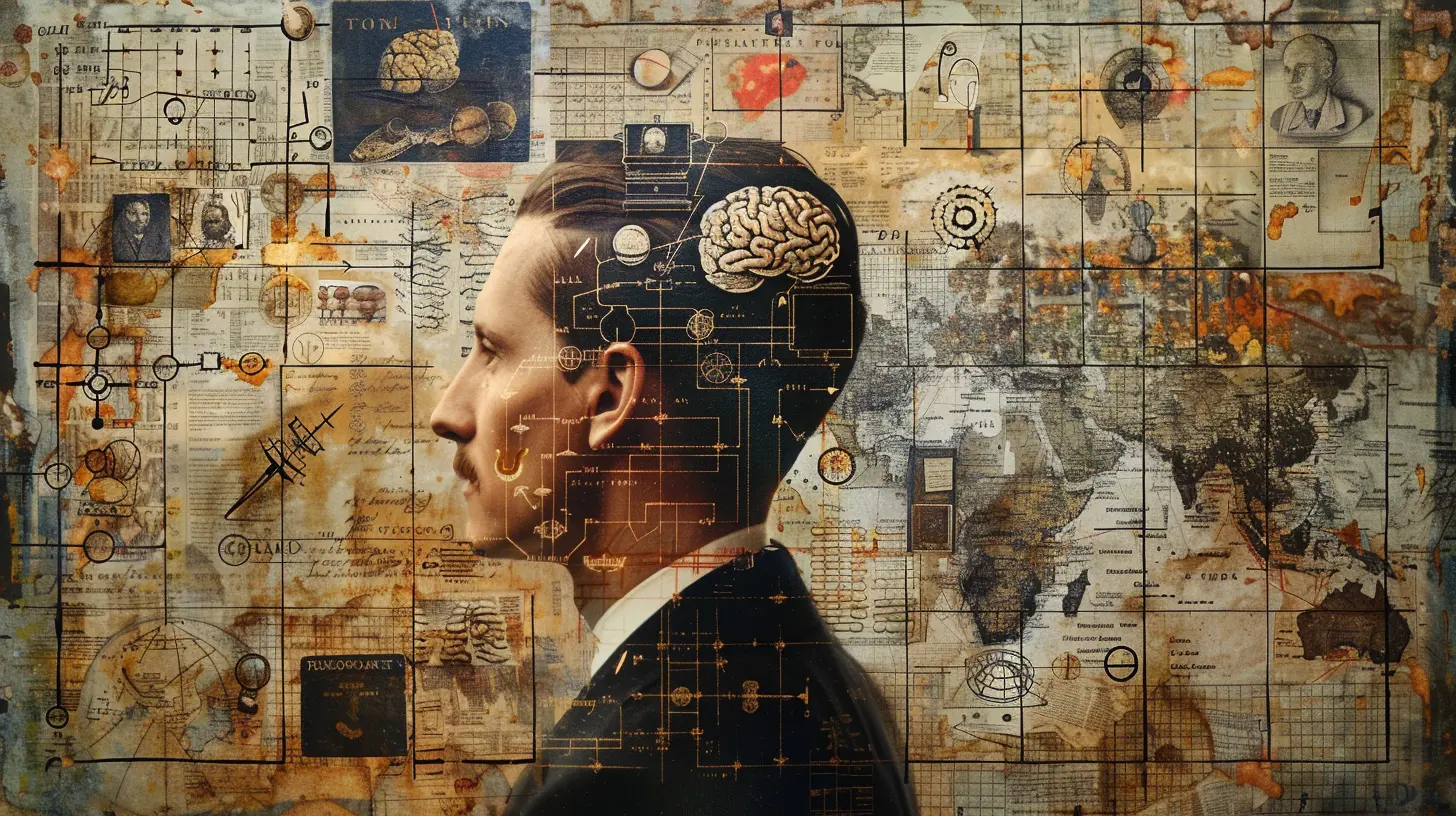
What Is Psychological Testing Anyway?
Before we jump into the time machine, let’s make sure we’re all on the same page. Psychological testing is all about measuring mental functions and behaviors. Think memory, intelligence, personality, aptitude—those kinds of things. The goal? To get insights that help in diagnosing mental health conditions, guiding career paths, improving education systems, and even making better hiring choices.But here’s the kicker: the road to accurate psychological testing wasn’t a straight one. It was, in fact, a winding path filled with trial, error, pseudoscience, and some downright weird ideas.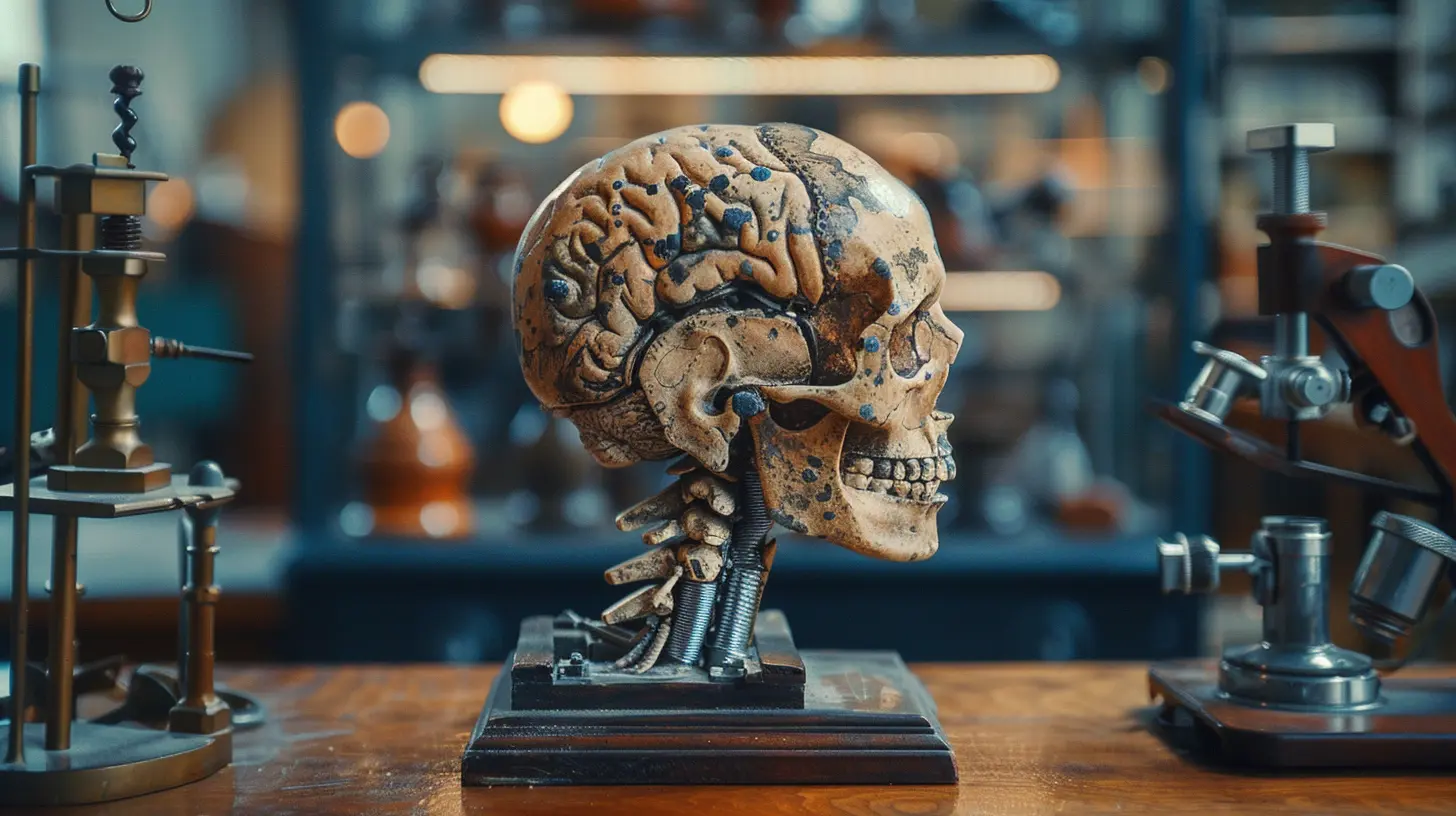
The Ancient Roots of Mental Measurement
We might think psychological testing is a modern invention, but people have been trying to categorize and evaluate human behavior for thousands of years.Ancient China’s Civil Service Exams
As far back as 2200 B.C., the Chinese were using rudimentary tests to evaluate civil servants. They weren’t measuring intelligence in the way we think of it today, but they were using a type of standardized testing to assess traits like morality, discipline, and judgment. Honestly, it was more politics than psychology, but hey—it was a start.Greek Philosophers and the “Humors”
Fast forward to Ancient Greece, and you've got philosophers like Hippocrates and Galen proposing that human behavior was ruled by bodily fluids, or "humors." Too much black bile? You’re probably melancholic. Excess of blood? Cheerful and social. While no one’s using the humor theory in therapy sessions today (thank goodness), it did show that people were trying to map out behavior in a systemic way.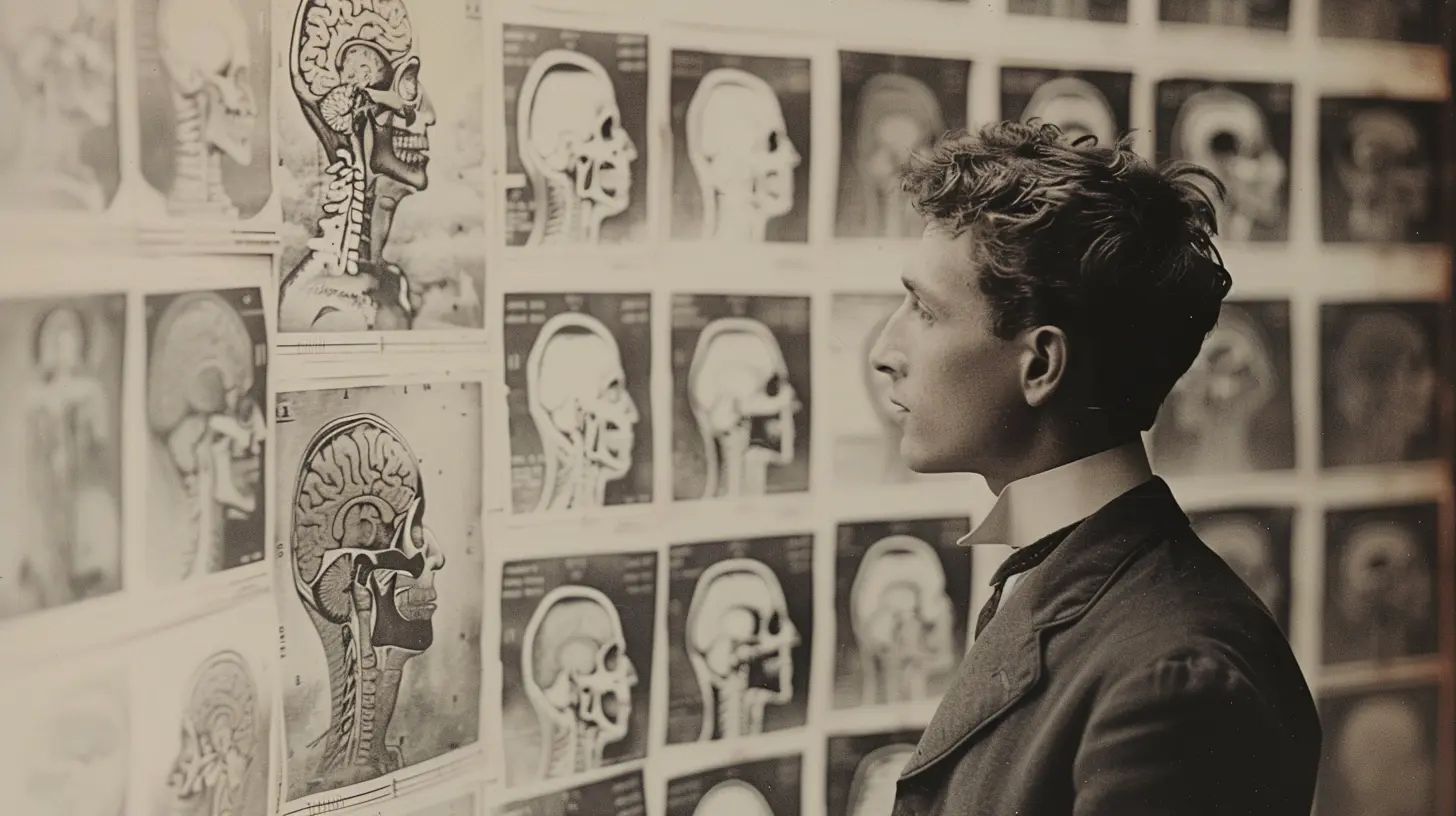
Cue the Quackery: Enter Phrenology
Ah, phrenology. If psychology had a weird uncle, it would be this guy.What Was Phrenology?
In the early 1800s, a physician named Franz Joseph Gall came up with the idea that you could tell a person’s personality traits and mental abilities by the shape of their skull. Seriously. He believed that different parts of the brain were responsible for different abilities, and that the size of those areas (reflected by bumps on your head) could tell you all about someone’s character.It caught on like wildfire. Phrenologists would run their fingers over a person’s skull and claim they could assess intelligence, morality, and even criminal tendencies. Looking back, it sounds ridiculous—but it was one of the first attempts to physically link the brain to behavior.
Why It Still Matters
Even though phrenology has long been debunked, it laid the groundwork for thinking that the brain had localized functions. That idea eventually helped shape the field of neuroscience. So in a way, phrenology walked so modern cognitive science could run.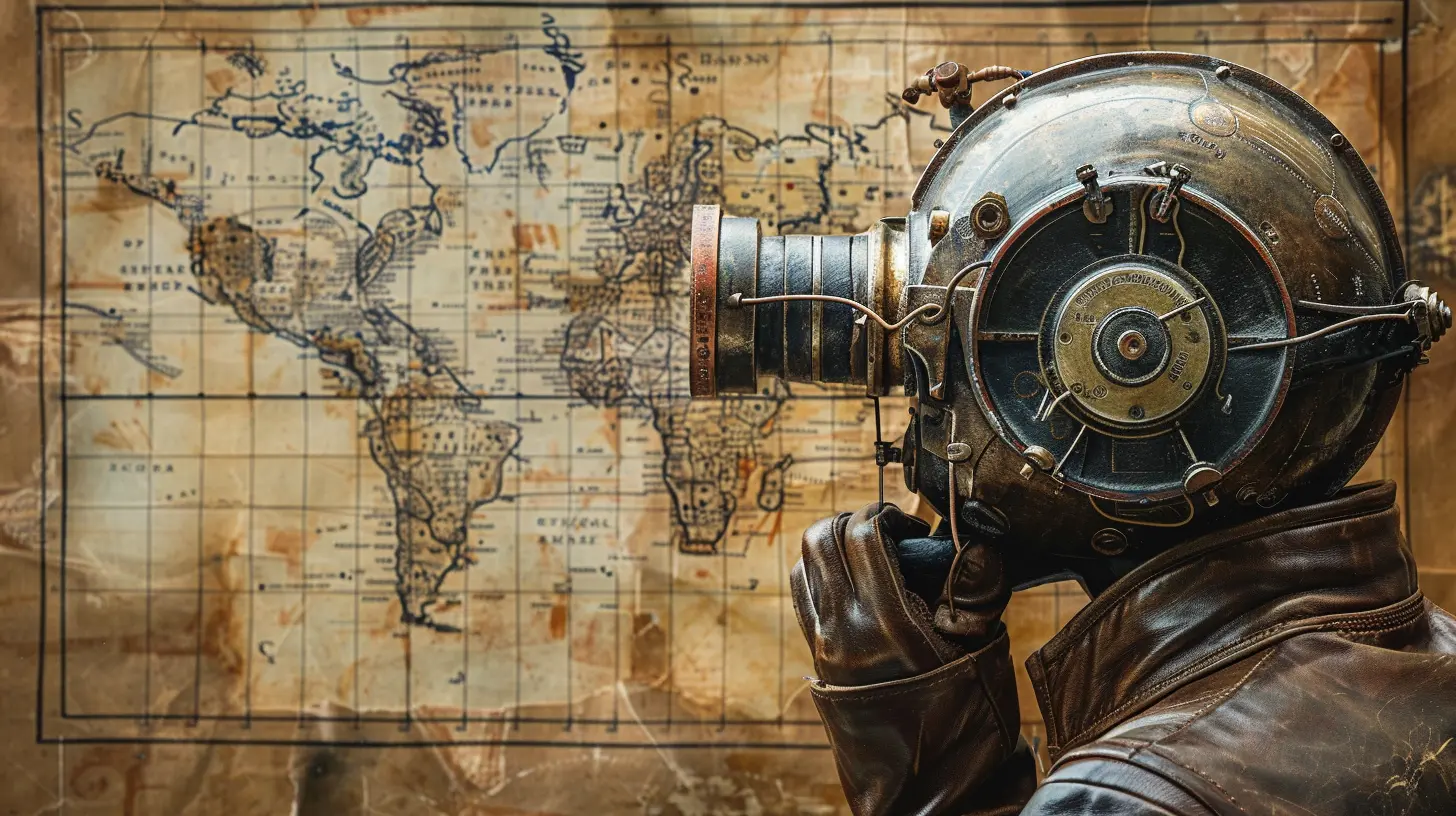
From Guesswork to Science: The Birth of Modern Psychological Testing
Thankfully, we didn’t stick with skull-rubbing for long. The late 19th and early 20th centuries marked a turning point.Sir Francis Galton: Measuring Intelligence (Sort Of)
Sir Francis Galton, a cousin of Charles Darwin, was obsessed with measuring human abilities. He believed intelligence was hereditary and tried to prove it using sensory tests—like reaction time and visual sharpness. Spoiler alert: he didn’t get it quite right, but he did introduce the idea of quantifying mental traits with systematic methods.Alfred Binet and the First Real IQ Test
Now we’re getting to the good stuff.In the early 1900s, the French government asked psychologist Alfred Binet to come up with a way to identify students who needed special help in school. Binet, along with his colleague Théodore Simon, developed a test that measured reasoning, memory, and attention. This became the first practical intelligence test.
The cool thing? Binet actually warned against using the scores to label kids as permanently “smart” or “slow.” He believed intelligence could change over time—a pretty progressive idea, even by today’s standards.
The Stanford-Binet Test
When Lewis Terman, an American psychologist, adapted Binet’s test for the U.S., he turned it into what we now know as the Stanford-Binet Intelligence Scale. This version introduced the concept of the intelligence quotient, or IQ.And just like that, testing got a makeover—with real science behind it.
Enter the Army and Mass Testing
World War I wasn’t just a defining moment in history; it was also a catalyst for psychological testing. The U.S. Army needed to quickly evaluate and assign 1.5 million recruits. Enter psychologists Robert Yerkes and his team.Army Alpha and Beta Tests
They developed the Army Alpha (for literate recruits) and Army Beta (for non-English speakers or illiterates) intelligence tests. It was the first large-scale use of standardized testing. Sure, the tests had their biases and faults, but they opened the floodgates for widespread psychological assessment.The Rise of Personality Testing
We couldn’t just stop at intelligence, right? People wanted to dig deeper—into traits, emotions, and motivations.The Rorschach Inkblot Test
Created in 1921 by Swiss psychiatrist Hermann Rorschach, this test asked people to interpret ambiguous inkblots. The idea was that their interpretations would reveal hidden thoughts and feelings. While the scientific reliability of this test is debated, it’s still one of the most iconic psychological assessments out there.The MMPI: A Game Changer
In 1943, the Minnesota Multiphasic Personality Inventory (MMPI) was introduced. Unlike projective tests like the Rorschach, the MMPI was data-driven and standardized—a huge step forward. It’s still widely used today for assessing mental health conditions.The Cognitive Revolution and Beyond
By the 1950s and ‘60s, the psychological world shook off its Freudian roots and embraced the cognitive revolution. Psychologists started looking at how we think, solve problems, and process information.This era gave rise to more structured and reliable tests for everything from memory to decision-making. The goal? To understand not just what we do, but how we do it.
Modern Psychological Testing: Where Are We Now?
These days, psychological tests are everywhere—and they’re better than ever. Thanks to advances in neuroscience, computer technology, and psychometrics (the science of measuring mental functions), we’ve got tools that are more accurate, reliable, and fair.Types of Tests You Might See Today
- IQ Tests – Still kicking, but now more nuanced and culturally aware.- Personality Inventories – Like the Big Five or MBTI (although the latter isn’t always loved by scientists).
- Neuropsychological Tests – Used to assess brain function after injury or illness.
- Educational Assessments – Think ADHD evaluations, learning disability screenings, etc.
The Role of Technology
Online testing platforms and AI are now being used to administer and even interpret assessments. It's making psychological testing more scalable and accessible, but it also raises questions about privacy and accuracy.The Ethics of Psychological Testing
Let’s not sugarcoat it—psychological testing has a messy history. From being used to justify eugenics to discriminating against minorities, there’s a dark side we can’t ignore.Today, there's a strong push for ethical practice. That means making sure tests are:
- Fair and unbiased
- Used by trained professionals
- Designed with cultural sensitivity
- Kept confidential and secure
Psychological testing can be incredibly powerful—but with great power comes great responsibility, right?
So… Should You Trust Psychological Tests?
Here’s the thing: not all psychological tests are created equal. The good ones? They’re backed by tons of research, standardized, and used by professionals who know what they’re doing. The bad ones? Well, let’s just say your BuzzFeed “What Type of Bread Are You?” quiz doesn’t count as science.If you're taking a real psychological test, make sure it’s valid, reliable, and being used for the right reasons—whether it’s for school placement, mental health treatment, or career guidance.
Final Thoughts
From reading your future in skull bumps to analyzing how you solve puzzles on a screen, psychological testing has come a long, weird, and fascinating way. While it started with a lot of trial and error (and some pretty sketchy ideas), it's evolved into a critical tool that helps millions of people better understand themselves and the world around them.And who knows what's next? With AI, neuroscience, and data analytics pushing the boundaries, the future of psychological testing could be even more precise—and way cooler.
all images in this post were generated using AI tools
Category:
Psychological TestingAuthor:
Ember Forbes
Discussion
rate this article
1 comments
Calaris Mullen
This article offers a fascinating overview of psychological testing's evolution and its impact on the field.
August 8, 2026 at 4:43 AM
Ember Forbes
Thank you! I'm glad you found the overview interesting. It's amazing to see how far we've come in understanding the mind.