The Future of Mental Health: Addressing Burnout by 2026
15 April 2026
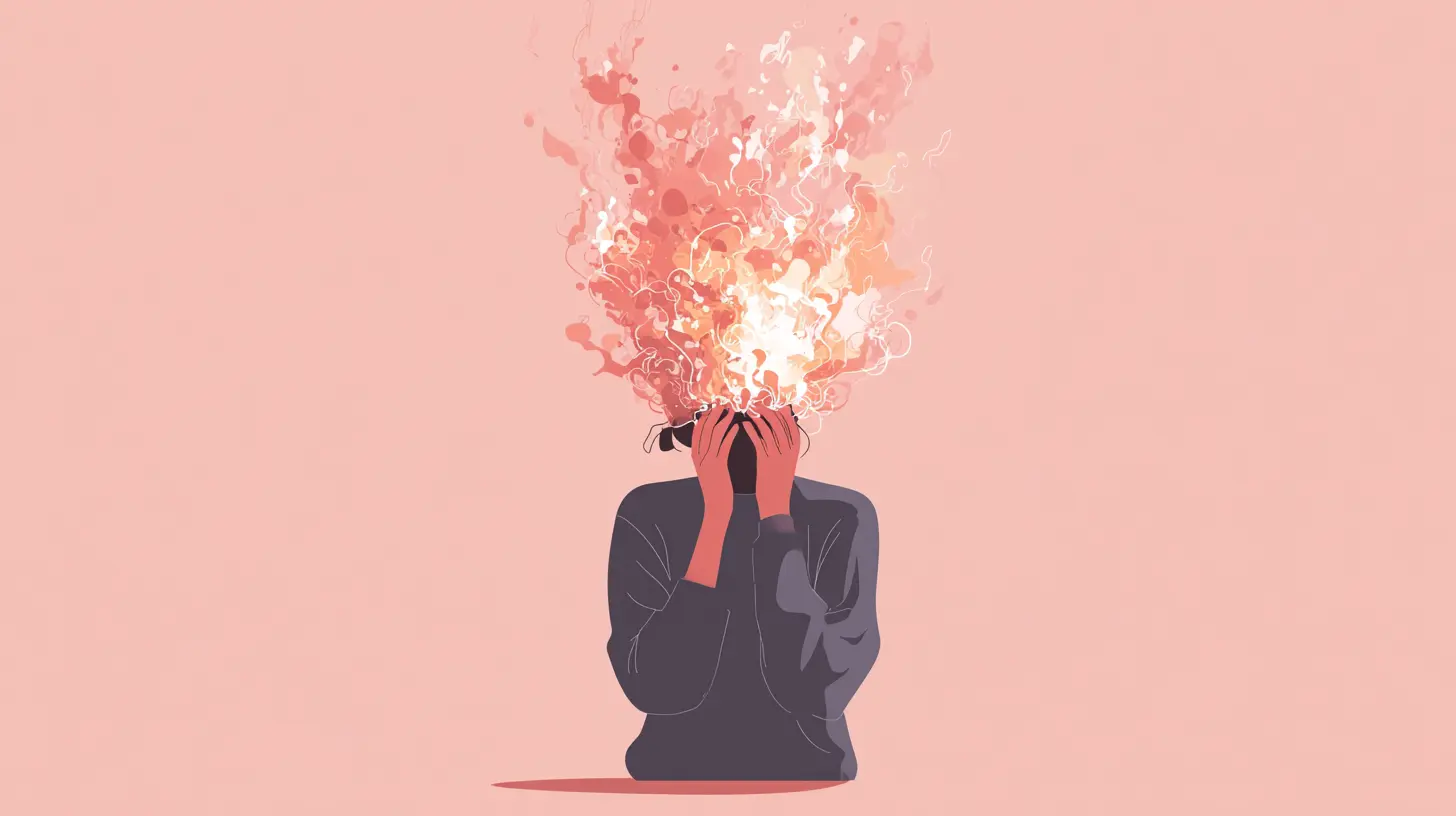
Burnout. It’s a word we hear tossed around like confetti at a parade, but when it comes down to the nitty-gritty, burnout is no joke. It’s more than just feeling tired after a long week; it’s a state of emotional, physical, and mental exhaustion caused by prolonged and excessive stress. As we stand on the brink of a new era in mental health, especially with 2026 peeking around the corner, it’s essential that we address burnout head-on. So, what does the future hold for our minds, our wellness, and our work-life balance? Let’s dive into the deep end together.

Understanding Burnout: A Quick Overview
Before we can tackle the future, let’s take a moment to understand what burnout really is. Imagine running a marathon without any training, and by the end of it, you’re not only exhausted but also emotionally drained and physically depleted. That’s burnout in a nutshell.The World Health Organization (WHO) describes it as a syndrome resulting from chronic workplace stress that hasn’t been successfully managed. Symptoms include feelings of energy depletion, increased mental distance from one’s job, and reduced professional efficacy. But here’s the kicker: burnout doesn’t just impact the individual; it has ripple effects throughout teams and organizations.
The Rise of Burnout: A Historical Context
Burnout isn’t a new phenomenon. It’s been lurking in the shadows for decades, but recent events have thrust it into the spotlight. The COVID-19 pandemic, for example, was like throwing gasoline on a fire that was already smoldering. With remote work blurring the lines between home and office, many individuals felt the weight of their responsibilities multiply.In a 2021 survey, nearly 76% of employees reported experiencing burnout at their current job. It’s clear that something needs to give. As we march toward 2026, we need to consider how to not only recognize burnout but also how to combat it effectively.

Why Addressing Burnout Matters
Okay, so we know burnout is a problem. But why should we care? Well, here’s the thing: burnout isn’t just a personal issue—it’s a societal one. When individuals are burned out, productivity plummets, creativity stalls, and engagement vaporizes.Think about it: if a team is functioning at half its potential due to burnout, innovation stagnates, and the entire organization suffers. Furthermore, untreated burnout can lead to serious health issues, including depression and anxiety, which creates a cycle that’s tough to break.
The Cost of Ignoring Burnout
Let’s break it down a bit more. According to estimates, burnout costs U.S. businesses around $300 billion each year due to absenteeism, turnover, and decreased productivity. That’s a staggering number! Just imagine what could be accomplished if that investment went toward mental health initiatives instead.As we peer into the future, we need to shift our mindset from viewing burnout as an individual problem to a collective challenge that demands proactive solutions.

The Future Landscape of Mental Health
Technological Advancements: The Double-Edged Sword
As we look towards 2026, we can’t ignore the role technology plays in mental health. On one hand, advancements in teletherapy and mental health apps have made support more accessible than ever. Virtual therapy sessions can be scheduled between meetings, and mindfulness apps can help individuals take a moment to breathe amidst their busy days.But on the other hand, the very technology that connects us can also contribute to burnout. The constant pinging of notifications, the pressure to respond immediately, and the blurred lines between work and personal life create an environment ripe for stress. It’s a balancing act that we’ll need to navigate carefully.
Workplace Culture: Shifting Paradigms
Can we talk about workplace culture for a second? The future of mental health must involve a significant shift in how organizations approach employee well-being. Companies are starting to recognize that their employees are not just cogs in a machine; they’re human beings with feelings and needs.By 2026, we’ll likely see more organizations implementing mental health days, flexible work hours, and initiatives focused on work-life balance. Imagine a world where employees can take a day off to recharge without feeling guilty or fearing repercussions. Sounds dreamy, right?
The Role of Leadership
Leadership will be crucial in shaping the mental health landscape of the future. Leaders who prioritize their teams’ mental well-being will foster a culture of openness and support. They’ll encourage conversations about mental health, model self-care behaviors, and provide resources for those in need.What if, instead of just promoting productivity, leaders actively encouraged their team members to share their struggles? By fostering an environment where employees feel safe to discuss their mental health, leaders can help alleviate the stigma surrounding burnout.
The Importance of Community Support
As we look to the future, community support will play a major role in addressing burnout. Just think about it: when we share our experiences and struggles, we normalize the conversation around mental health. Support groups, both online and in-person, can provide a sense of belonging and understanding that so many people crave.Building Connections
In an increasingly digital world, it’s easy to feel isolated. However, community initiatives that promote connection—like group therapy sessions, social events, and wellness workshops—will be vital in combating burnout. Imagine a community where individuals come together to share their experiences and support one another. That’s the kind of environment that fosters mental well-being.The Role of Policy and Advocacy
Let’s not forget about the power of policy and advocacy in shaping mental health initiatives. By 2026, we should see an increase in advocacy for mental health policies at both local and national levels. This could include legislation that mandates mental health resources in the workplace, grants for community mental health programs, and funding for research on burnout and mental wellness.Practical Strategies for Individuals
Now that we’ve tackled the big picture, let’s zoom in on what individuals can do today. After all, while systemic change is vital, personal accountability plays a significant role in addressing burnout.Prioritizing Self-Care
Ah, self-care: the buzzword of the decade! But here’s the kicker: self-care isn’t just about bubble baths and candles. It’s about making intentional choices that prioritize your mental health. This could mean setting boundaries at work, engaging in physical activity, or simply taking a moment to pause and breathe.Mindfulness Practices
Mindfulness is like the Swiss Army knife of mental health strategies. Whether it’s meditation, yoga, or even a simple focus on your breath, mindfulness can help ground you amidst the chaos. By incorporating mindfulness practices into your daily routine, you’ll cultivate a sense of calm that can combat burnout.Seeking Help
Let’s break the stigma around seeking help. Whether it’s talking to a therapist or finding a trusted friend to confide in, reaching out for support is a sign of strength, not weakness. By 2026, we hope to see even more people embracing the idea that seeking help is a crucial step toward mental well-being.
The Road Ahead: What to Expect by 2026
As we look ahead to 2026, we can expect a landscape where mental health is prioritized not just as a concept, but as a fundamental aspect of our lives. Here’s what we can anticipate:- Increased Awareness: With the conversation about mental health gaining momentum, more people will be aware of the signs and symptoms of burnout, leading to timely intervention.
- Innovative Solutions: As technology continues to evolve, we’ll likely see more innovative solutions aimed at addressing burnout, including AI-driven mental health support and virtual reality therapy.
- Holistic Approaches: The future of mental health will embrace holistic approaches that consider the whole person—mind, body, and spirit—recognizing the interconnectedness of our mental and physical health.
- A Culture of Compassion: We’ll witness a cultural shift where compassion and empathy are at the forefront of workplace interactions, making it easier for individuals to voice their concerns without fear.
Conclusion: The Power of Change
In conclusion, the future of mental health is a collective responsibility. By addressing burnout, we can pave the way for a society that values mental well-being just as much as productivity. As we move toward 2026, let’s continue to challenge the status quo, advocate for change, and support one another on this journey. Remember, it’s not just about surviving; it’s about thriving.So, what do you think? Are you ready to join the movement toward a healthier, happier future? Let's tackle burnout together!
all images in this post were generated using AI tools
Category:
Emotional BurnoutAuthor:

Ember Forbes
Discussion
rate this article
1 comments
Lillian McRae
While the article offers valuable insights into combating burnout, it overlooks the systemic factors contributing to mental health crises. Addressing workplace culture and societal pressures is essential for sustainable change by 2026.
April 22, 2026 at 4:46 AM
Ember Forbes
Thank you for your feedback. I agree that addressing systemic factors is critical for lasting change. It's a complex issue that deserves deeper discussion.