The Connection Between Self-Care and Effective Coping
2 May 2026
Let’s get real—life can be a hot mess. Between deadlines, relationships, bills, and that ever-growing list of unread emails, it’s easy to feel like you’re constantly running on empty. But here’s the tea: if you want to actually survive (and maybe even thrive) in the chaos, self-care isn’t just a luxury. It’s your survival kit. And guess what? There’s a juicy little connection between self-care and how well you cope with stress, anxiety, and all the curveballs life loves to throw at you.
So, buckle up, buttercup. We’re diving into the bold, beautiful relationship between self-care and effective coping—and why neglecting one is basically like ghosting your own mental health.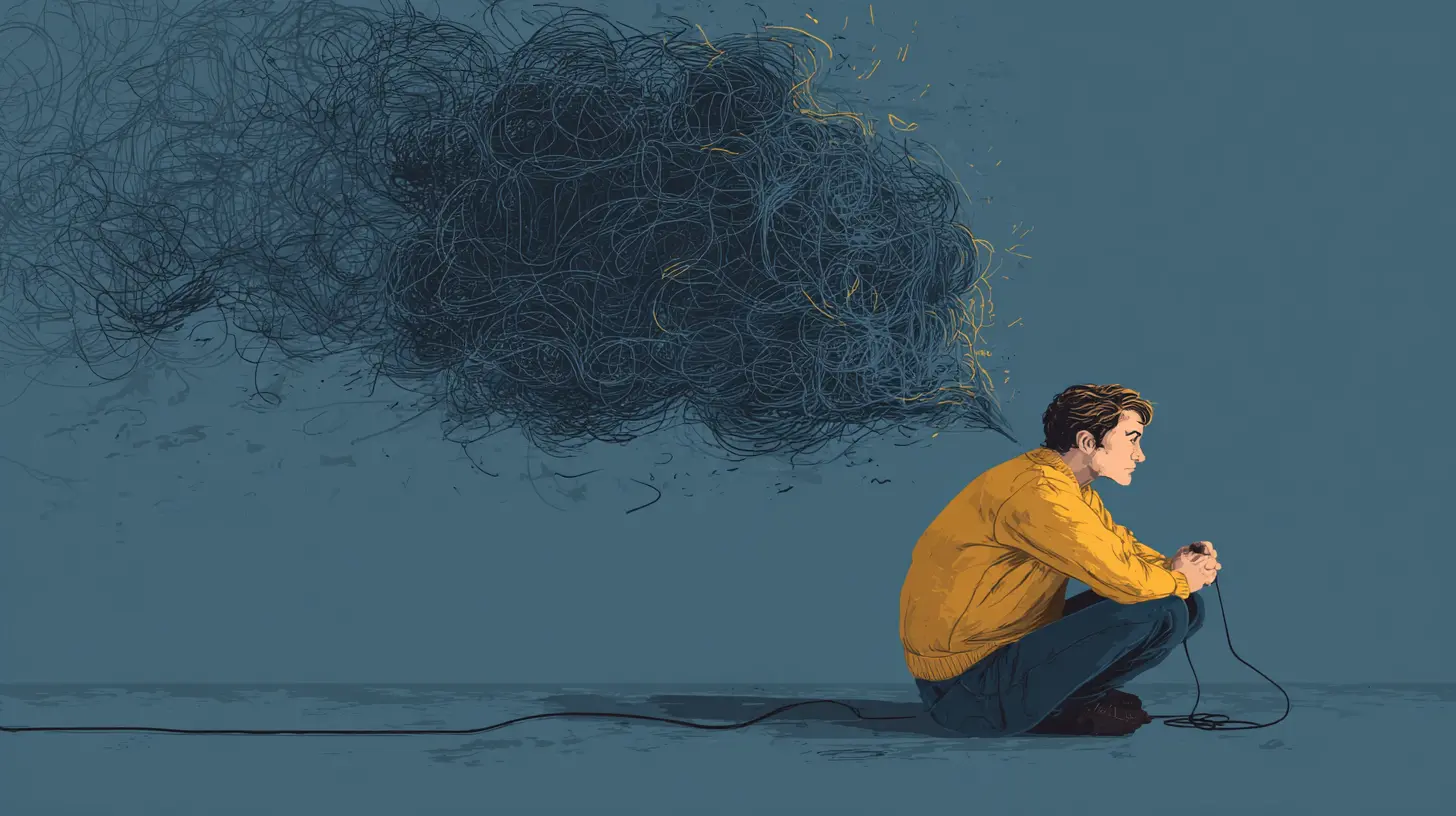
What Even Is Self-Care?
Okay, before we get too cozy, let’s clear the air on what self-care actually is—and more importantly, what it’s not.Self-care isn’t spa days, bubble baths, or face masks labeled “detoxifying” (although, hey, if that works for you, go off). Real self-care is about deliberately doing things that recharge your physical, emotional, mental, and even spiritual batteries. It’s a long-term play, not a one-night stand.
Think of it as the adult version of making sure your Sims’ needs aren’t all flashing red. Hunger? Sleep? Social? Yeah, real-life you needs those things, too.
Coping: The Unsung Hero of Mental Resilience
Now let’s talk coping. Coping is how you deal—mentally, emotionally, even physically—when life gets hard. It’s how you react when your plans implode, your ex texts you out of nowhere, or your boss decides the deadline is now “today” instead of “next week.”There are two main types of coping:
- Problem-focused coping: Taking action to change the stressful situation (basically, ‘fix it’ mode).
- Emotion-focused coping: Managing your emotional reaction to the stress (aka ‘feel it to heal it’ mode).
Here’s the kicker: both types require energy, clarity, and emotional regulation—and that’s where self-care swoops in like your personal mental health superhero.
Why Self-Care Isn’t Selfish (It’s Smart AF)
So many of us feel guilty for taking time for ourselves, like self-care is some kind of indulgence we have to “earn.” Nope. That mindset? Toss it.Self-care is what gives you the bandwidth to cope effectively. Without it, your coping mechanisms start looking more like binge-watching Netflix with five bags of chips and ghosting your responsibilities. (No judgment—we’ve all been there.)
When you’re well-rested, nourished, supported, and mentally checked-in, you don’t just survive stress—you handle it like a boss. You assess, problem-solve, regulate your emotions, and bounce back faster. That’s the magic.
The Science-Backed Link Between Self-Care and Coping (Because Yes, There’s Research)
Okay okay, feeling skeptical? Let’s hit you with some science.Psychological studies consistently show that people who engage in routine self-care practices have:
- Lower cortisol levels (aka less stress)
- Greater emotional regulation
- Reduced symptoms of anxiety and depression
- Increased resilience and adaptability
Basically, self-care builds up your “coping muscle.” The more intentional you are with caring for yourself, the more prepared you are to face stressful situations without spiraling.
Think of it like this—if your mental health was a house, self-care would be the foundation. Try weathering a storm without a strong foundation, and boom—everything crumbles.
How Self-Care Sneakily Improves Your Emotional Coping Skills
You know those days when everything sucks but you still manage to not completely lose it? That’s emotional coping—and surprise, it’s built on consistent self-care.Let’s break this down:
1. It Improves Emotional Awareness
Journaling. Meditation. Therapy. These aren't just trendy buzzwords—they’re tools. When you regularly engage in reflective self-care, you start to actually notice your feelings instead of bulldozing through them.Self-awareness = emotional ninja mode.
2. It Increases Your Stress Tolerance
You wouldn’t run a marathon without training, right? Self-care is your emotional training. The more you stay mentally and physically replenished, the more resilience you build. So when stress does hit? You’re not flattened by it. You pivot.3. It Helps You Regulate Instead of React
Ever snapped at someone just because you were hungry, tired, or hadn’t had your coffee yet? Yeah. That’s what poor self-care does—it makes you reactive. But when your cup is full, you respond with clarity instead of chaos.Physical Self-Care: The Coping Powerhouse You Might Be Ignoring
We tend to blame everything on our minds, but your body has a lot to say in how you cope.Sleep, nutrition, exercise—these aren’t just health checklist items. They’re the foundation of your mental stamina. Poor sleep alone can lower your ability to handle stress by more than half. HALF. That’s wild.
So yes, getting 7-8 hours, drinking water, and moving your body actually helps you think clearer, feel better, and cope stronger. It’s biology, baby.
Emotional Self-Care: Giving Yourself Permission to Feel
Hands up if you’ve ever tried to shove your emotions down with a “I’m fine!” and a forced smile. Mhmm, we’ve all done it.But emotional self-care—like talking to a friend, crying it out, or just sitting with your feelings (without judgment)—is what keeps emotional buildup from turning into a full-on mental meltdown.
It’s not weak. It’s wisdom.
Mental and Spiritual Self-Care: Leveling Up Your Inner Strength
Coping isn’t just about what’s happening to you—it’s about what’s happening inside you. Mental and spiritual self-care give your thoughts and values a tune-up.Things like:
- Reading
- Practicing mindfulness or prayer
- Spending time in nature
- Engaging in creative hobbies
These help you zoom out, gain perspective, and connect with a bigger sense of purpose. And when life feels overwhelming, that perspective is gold.
Self-Care Isn’t Always Pretty (And That’s Okay)
Let’s be real for a second: sometimes self-care is messy.It’s going to therapy even when you don’t feel like talking.
It’s setting boundaries and having awkward conversations.
It’s choosing to go for a walk instead of doomscrolling Instagram for 2 hours.
It’s not glamorous, but it’s powerful. Because every one of those moments is saying: “I’m worth taking care of.” And that mindset? That’s what turns you into a coping queen.
How to Create a Self-Care Routine That Actually Works (and Isn’t Just Another To-Do List)
Here’s the spicy truth: if your self-care routine stresses you out, it’s not self-care.A sustainable routine should feel nourishing, not like a punishment. Here’s how to make it stick:
🌟 Start Small
Don’t try to overhaul your entire life in one day. Pick one or two things you can do consistently.> Think: “I’ll go for a 10-minute walk every day” or “I’ll drink a full glass of water every morning.”
🌟 Make It Personal
What fills you up might not work for your best friend—and that’s okay. Tune in to what actually makes you feel good, not what Instagram tells you should.🌟 Check In Weekly
Self-care is fluid. What worked for you last month might need tweaking now. Reflect. Adjust. Repeat.🌟 Ditch the Guilt
You don’t owe anyone an explanation for taking care of your damn self. The more guilt-free you make self-care, the more it becomes second nature.Real Talk: What Happens When You Skip Self-Care?
Imagine trying to drive a car with no gas, no oil, crappy tires, and a dead battery. That’s you trying to cope without self-care.When you neglect it:
- Your stress tolerance tanks
- You become emotionally volatile
- Anxiety and depression creep in
- Your decision-making gets fuzzy
- Burnout knocks at your door
Spoiler alert: it’s not cute. But the good news? You can always get back on track. Self-care is forgiving like that.
Final Thoughts: Self-Care + Coping = Your Power Combo
Here’s the bottom line, babe: self-care isn’t just about feeling good in the moment—it’s about building a foundation that helps you handle whatever life throws your way with strength, grace, and maybe a little sass.It’s not about being perfect. It’s about being compassionate with yourself. Because when you treat yourself like someone worth taking care of, everything else starts to shift—your mood, your mindset, your energy, your resilience.
So pour the tea, take off your bra, put your phone on Do Not Disturb, and just breathe. You’ve got this.
all images in this post were generated using AI tools
Category:
Coping MechanismsAuthor:

Ember Forbes
Discussion
rate this article
1 comments
Andrew Webster
This article highlights such an important connection. Self-care is often overlooked, yet it plays a crucial role in how we cope with life's challenges. Thank you!
May 9, 2026 at 2:41 AM
Ember Forbes
Thank you for your thoughtful comment! I'm glad you found the connection important. Self-care truly makes a difference in our resilience.