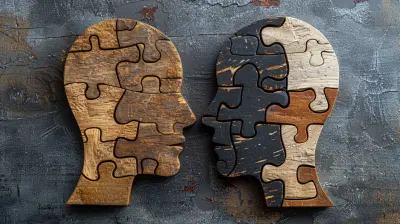
Psychological Testing in the Military: Assessing Mental Fitness
29 October 2025
When we think about the military, images of rigorous physical training, discipline, and bravery often come to mind. But beyond the physical strength and tactical skills, there's another critical aspect that can’t be ignored—mental fitness.
Psychological resilience is just as important as physical endurance in high-stress environments like combat zones. But how do military organizations assess whether a soldier has the mental toughness needed for the job? That’s where psychological testing comes into play.
In this article, we'll break down the significance of psychological testing in the military, how it works, and why it’s an essential process for ensuring operational effectiveness and soldier well-being. 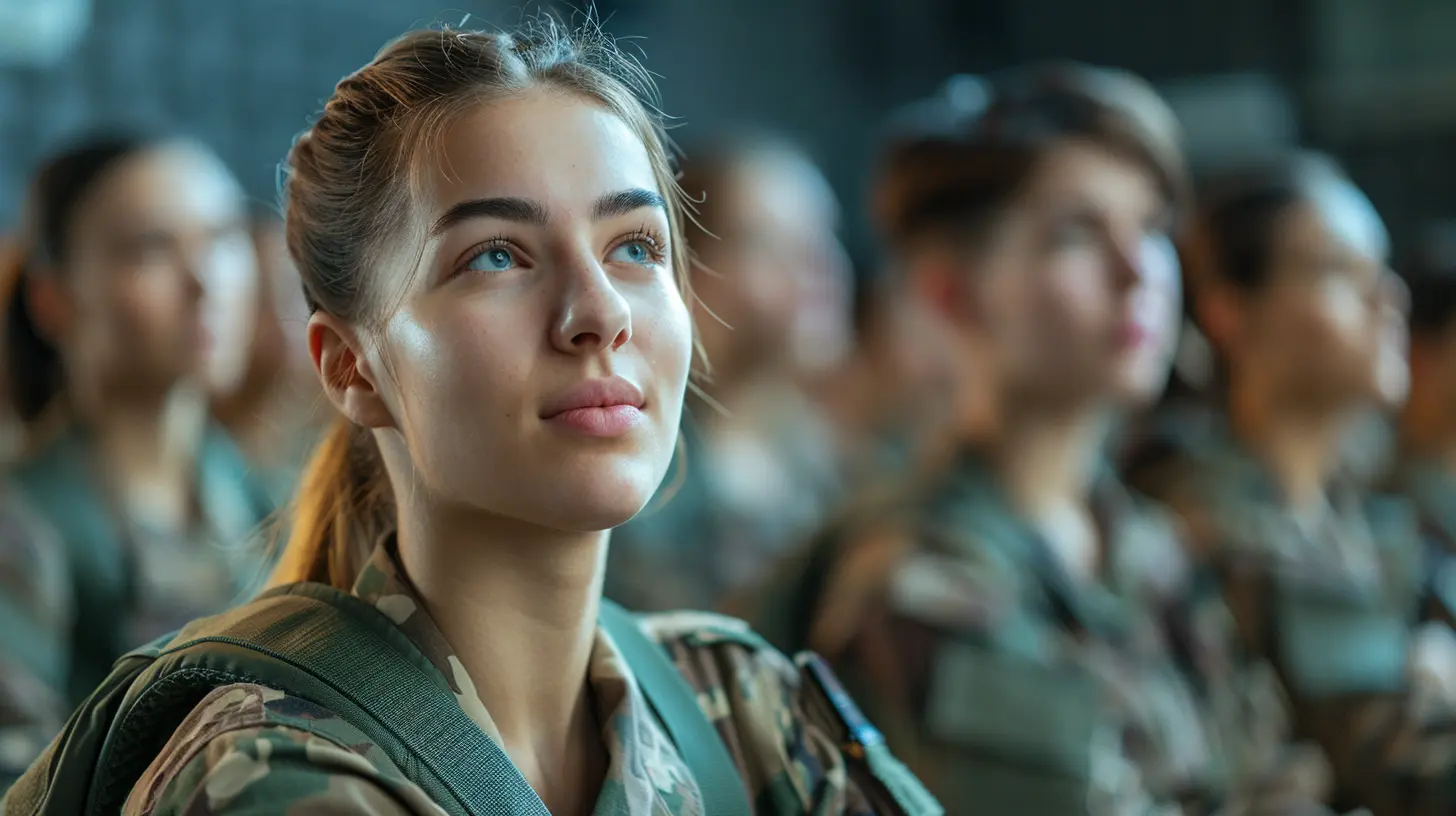
Why Mental Fitness Matters in the Military
Imagine being in a high-stakes situation where every decision you make could mean life or death. Sounds intense, right? Well, that’s a daily reality for soldiers.Mental fitness isn’t just about handling stress—it’s about quick decision-making, emotional resilience, teamwork, and the ability to function under extreme pressure. A mentally unprepared soldier can make critical mistakes, freeze in battle, or even endanger their team.
This is why military organizations invest heavily in psychological testing. It helps identify individuals who can handle the emotional and cognitive demands of warfare while ensuring those who aren’t fit for it receive the necessary support. 
Types of Psychological Testing Used in the Military
Psychological testing in the military isn’t a one-size-fits-all approach. Instead, it involves multiple tests, each designed to assess specific mental attributes.1. Personality Tests
Personality plays a massive role in determining how someone will react to stressful situations. The military often uses personality tests like:- Minnesota Multiphasic Personality Inventory (MMPI-2) – This assesses mental health and identifies psychological disorders.
- Five-Factor Model (FFM) – Measures traits like openness, conscientiousness, extraversion, agreeableness, and neuroticism—all crucial for determining a soldier’s strengths and weaknesses.
By analyzing personality traits, military psychologists can determine if an individual is more prone to aggression, impulsivity, or struggles with authority—all factors that could impact performance in a structured, high-risk environment.
2. Cognitive Ability Tests
Split-second decisions are a staple of military life. Cognitive testing helps measure a soldier’s ability to think fast, process information, and reason logically.Common cognitive tests include:
- Armed Services Vocational Aptitude Battery (ASVAB) – Measures problem-solving skills, arithmetic reasoning, and spatial awareness.
- Wonderlic Test – A quick-thinking test that assesses intelligence and decision-making speed.
Strong cognitive abilities mean a soldier can think under pressure, adapt to changing conditions, and process information efficiently—key components for thriving in combat.
3. Emotional and Stress Resilience Tests
War zones are unpredictable, and the ability to remain calm under intense pressure is invaluable.To gauge emotional resilience, the military often uses:
- Emotional Intelligence (EI) Tests – Assess how well a soldier can regulate emotions, empathize, and manage interpersonal relationships.
- Stress Tolerance Tests – Simulated scenarios to evaluate how a soldier handles anxiety, fear, and uncertainty.
Emotional resilience tests help prevent mental breakdowns in the field and ensure that soldiers won’t crumble under high-stress conditions.
4. Psychological Screening for PTSD and Other Disorders
The military isn’t just concerned about pre-enlistment mental health—they also assess soldiers post-deployment.Psychological screening tools for PTSD, depression, and anxiety help identify those struggling with mental health issues after traumatic experiences.
Common assessments include:
- Post-Traumatic Stress Disorder Checklist (PCL-5) – Helps screen for symptoms of PTSD.
- Beck Depression Inventory (BDI) – Measures the severity of depressive symptoms.
Early detection ensures that struggling soldiers get the help they need before their mental health deteriorates further. 
The Role of Military Psychologists
Psychological testing is just the first step. Military psychologists play a crucial role in interpreting these results and providing necessary interventions.These professionals:
- Evaluate test results – Identifying potential psychological concerns before enlistment.
- Recommend training adaptations – Helping soldiers develop coping mechanisms for stress and trauma.
- Offer therapy and support – Providing mental health services for those struggling with PTSD, anxiety, or depression.
Without military psychologists, soldiers might enter combat unprepared for the mental toll, leading to severe consequences for both individuals and their units. 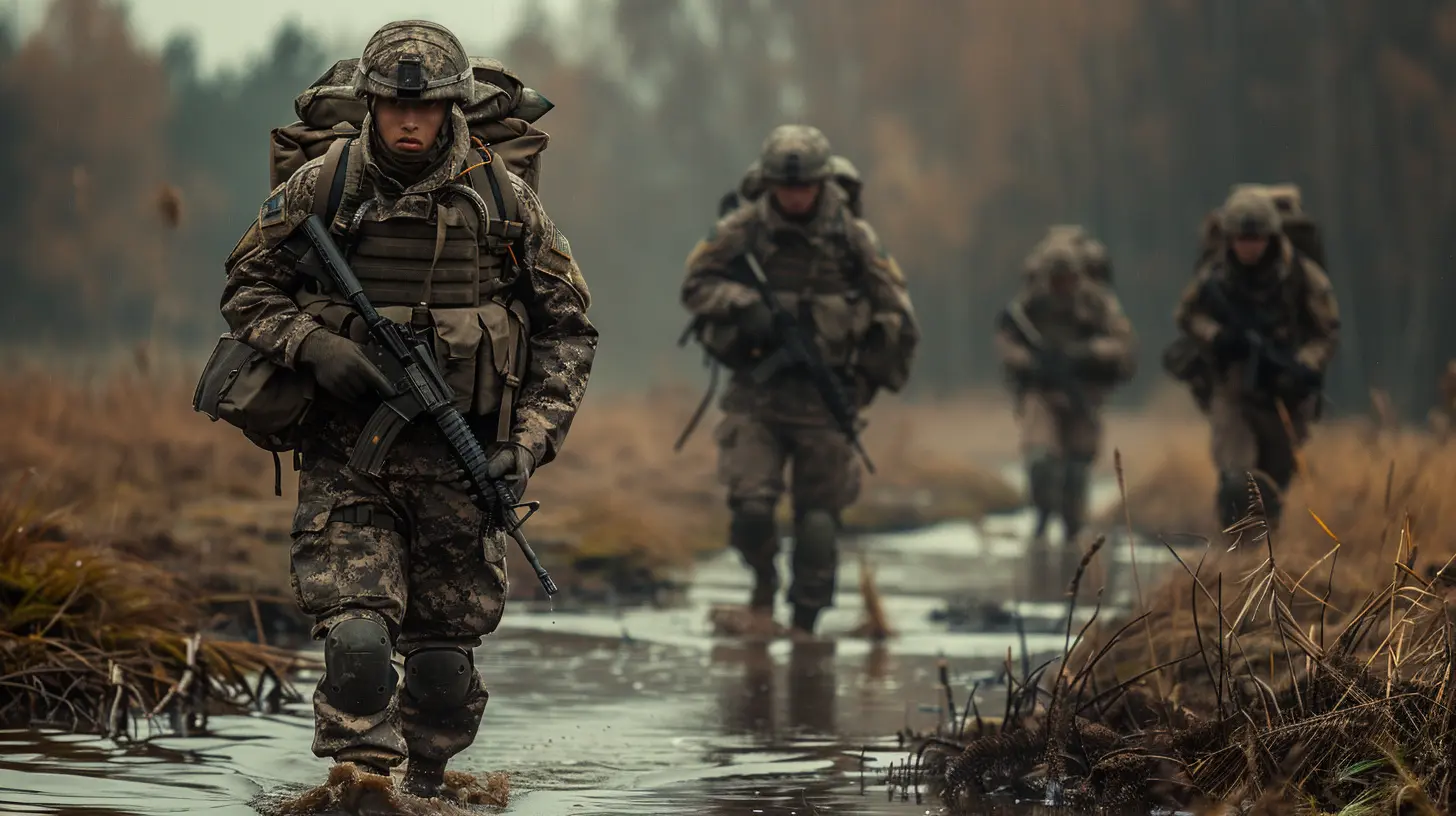
Challenges in Psychological Testing for the Military
While psychological testing is crucial, it isn’t foolproof. There are several challenges in ensuring accurate and fair assessments.1. Soldiers May Lie on Tests
Let’s be honest—no one wants to admit they might not be mentally fit for the role. Many recruits intentionally give answers they think will help them pass, rather than being honest about their emotional state.To counter this, psychologists include built-in lie detection measures in tests like the MMPI-2, which catches inconsistencies in responses.
2. Stress and Fatigue Can Skew Results
Military life is exhausting, and fatigue can impact cognitive and emotional test results. A sleep-deprived soldier may score poorly, even if they’re generally mentally strong.To address this, military psychologists often run tests under various conditions to assess consistency.
3. The Stigma Around Mental Health
Despite increasing awareness, mental health stigma still exists in the military. Some soldiers fear that admitting psychological struggles could harm their careers.To combat this, military organizations are working on promoting mental health support programs and normalizing therapy.
The Future of Psychological Testing in the Military
Military psychological testing is evolving. With advancements in neuroscience, artificial intelligence, and machine learning, assessments are becoming more accurate than ever before.1. AI and Machine Learning in Psychological Testing
Artificial intelligence can analyze large sets of data to predict behavioral trends. Machine learning algorithms can detect early signs of PTSD, monitor stress levels, and even predict how a soldier might react under pressure.2. Virtual Reality (VR) for Stress Testing
Imagine putting on a VR headset and being thrown into a simulated battlefield. VR-based psychological testing allows military psychologists to analyze real-time emotional and cognitive responses under combat-like conditions.3. Wearable Technology for Mental Health Monitoring
Biometric devices can now track physiological signs of stress, anxiety, and fatigue. Military organizations are exploring wearable tech to provide real-time mental health assessments, helping soldiers get immediate support when needed.These advancements could revolutionize psychological testing, making it more effective in identifying at-risk individuals before issues escalate.
Final Thoughts
The mind is just as important as the body in military service. Psychological testing ensures that soldiers are not only physically prepared but also mentally resilient enough to handle the extreme pressures of warfare.While challenges still exist, advancements in technology and an increasing focus on mental health are making psychological testing in the military more effective than ever.
Let’s not forget—behind every uniform is a human being dealing with the weight of their duties. Ensuring that they’re mentally fit isn’t just about the mission—it’s about their well-being and long-term health.
all images in this post were generated using AI tools
Category:
Psychological TestingAuthor:

Ember Forbes
Discussion
rate this article
1 comments
Wolf McAdoo
Great insights on the importance of mental fitness in military personnel. Thank you for sharing!
November 9, 2025 at 4:08 AM
Ember Forbes
Thank you for your feedback! I'm glad you found the insights valuable.