Online Psychological Tests: Are They as Accurate as In-Person Assessments?
24 March 2026
Let’s be honest — we’ve all taken an online personality quiz at some point. Whether it was to discover which Harry Potter house you belong to or to find out if you’re more Type A or Type B, it’s hard to resist clicking that “Start Test” button. But what happens when mental health professionals use online psychological tests instead of traditional face-to-face assessments? Can digital evaluations really hold a candle to the real, in-person thing?
Well, that’s what we’re diving into today.
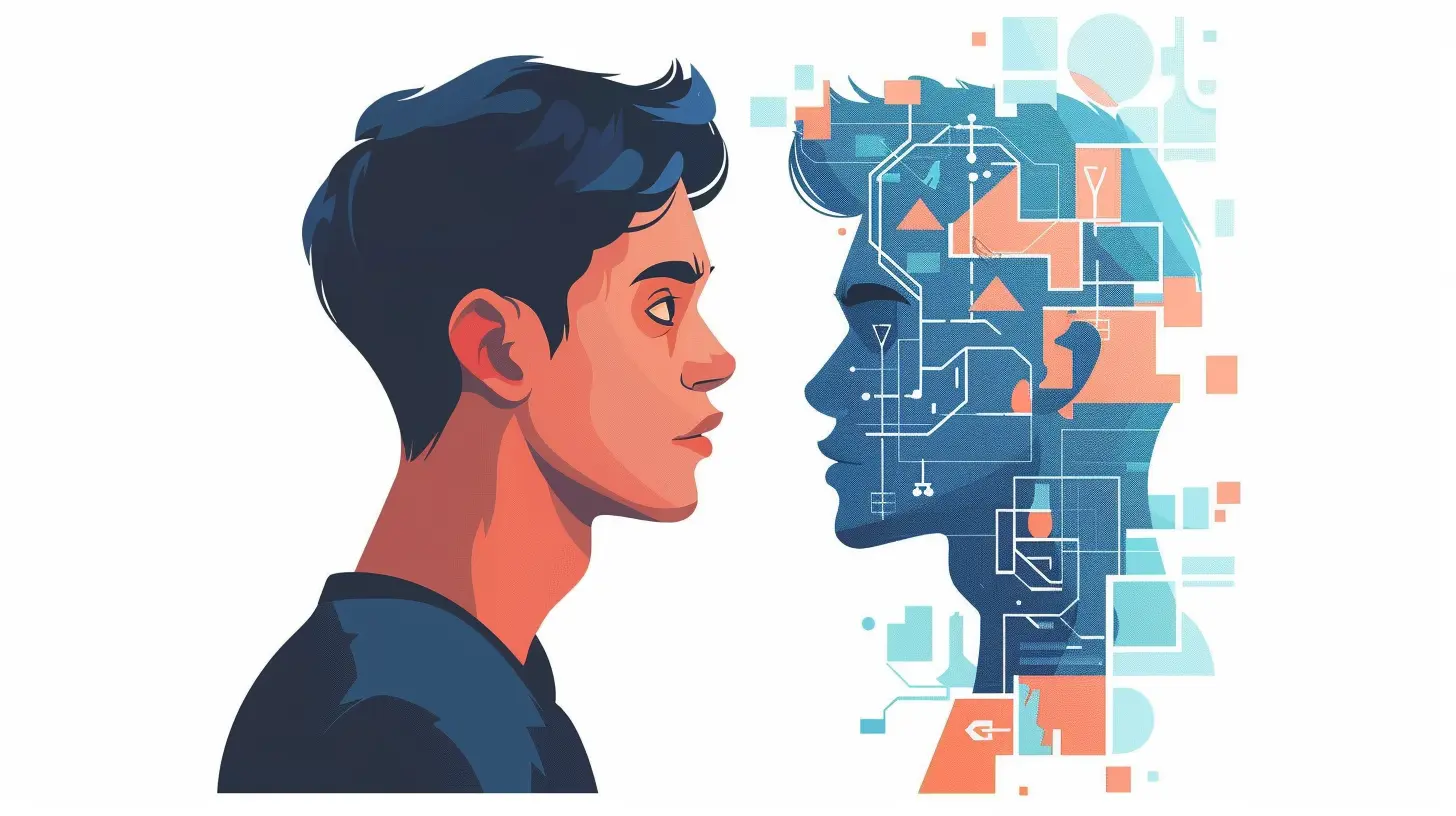
The Rise of Online Psychological Testing
We live in a world where nearly everything is moving online — therapy, doctor visits, grocery shopping, even dating. So it’s no big surprise that psychological assessments have joined the digital parade. Especially since the COVID-19 pandemic, more therapists and clinics have transitioned to offering virtual evaluations. They're convenient, quick, and often cost-effective.In fact, there are now platforms that offer everything from mood assessments and cognitive tests to ADHD, depression, and anxiety screenings — all from the comfort of your couch.
Sounds great, right?
But before we start high-fiving technology, let’s look a bit deeper. Are these online tools just convenient, or are they actually reliable? Can clicking through questions on a screen give a true picture of someone’s mental health?

What Are Psychological Tests, Anyway?
Let’s clear one thing up first: psychological testing isn’t just about answering multiple-choice questions. There’s science behind it.Psychological assessments are carefully designed tools used by professionals to evaluate various aspects of a person’s mental state. This could include cognitive functions (like memory or problem-solving), emotional state, personality traits, or even behavior patterns. These tests help clinicians make accurate diagnoses, guide treatment plans, and monitor progress.
Typically, in-person assessments involve:
- Structured interviews
- Observation of behavior
- Standardized test administration
- Clinical judgment
When done face-to-face, a trained professional can pick up on non-verbal cues — things like body language, tone of voice, or hesitation when answering. All of these give extra context that might not show up in a digital questionnaire.

The Appeal of Online Testing
It’s no mystery why online psychological tests are popular. They’re:- 📍 Convenient: You can take them anytime, anywhere.
- ⏱️ Time-saving: No waiting rooms or commute times.
- 💸 Cost-effective: Some are even free.
- 🧍🏻♀️Less intimidating: For some, being behind a screen makes it easier to open up.
For people who live in remote areas, have mobility issues, or suffer from anxiety, online testing can be a game-changer. It essentially opens the doors of mental health care to folks who otherwise might never seek it.
But—yes, there’s a but—there’s more to the story.

Accuracy: The Heart of the Question
So, let’s get to the juicy part: are online tests truly accurate?The answer is... it depends.
Some online tests are based on scientifically validated tools. When administered correctly, under the guidance of a qualified professional, they can be nearly as accurate as in-person assessments. For example, certain depression and anxiety scales (like the PHQ-9 or the GAD-7) have been studied extensively and have proven to be reliable in both paper and digital formats.
However, just because a test looks slick and professional doesn’t mean it’s legit. There are thousands of quizzes out there that aren't backed by any science whatsoever. Some are meant purely for entertainment — the "Which Type of Empath Are You?" kind. Fun? Maybe. Clinically useful? Not a chance.
The Human Factor
Another big issue? Context.In-person assessments are conducted in a controlled environment. Online, distractions are everywhere. You could be answering serious mental health questions while your dog is barking, your phone is pinging, or your kids are arguing in the background. That environment can absolutely skew your results.
And let’s not forget the temptation to "game" the test — answering how you think you should, or how you want to be perceived. With no therapist there to observe or redirect, it's easier to slip into that mode.
When Online Tests Are Most Effective
Despite their limitations, online psychological tests do have their place.They’re excellent for:
- Preliminary screenings: Good starting points to determine if you should seek further help.
- Monitoring changes: For those already in treatment, regular online assessments can track emotional or behavioral shifts over time.
- Reaching underserved populations: As mentioned, those in rural or underserved areas may benefit from access to digital tests when in-person services aren't an option.
- Breaking the stigma: Some people are more willing to take an online test than book an appointment with a therapist, making it a non-threatening entry point into mental health support.
Limitations of Online Psychological Tests
We can’t ignore the drawbacks. Here are a few of the biggest concerns:1. Lack of Professional Oversight
Many online tests are self-administered. Without a clinician involved, there’s no interpretation or contextual understanding. Two people might have the same test score but completely different life situations. A therapist helps untangle that nuance.2. Privacy & Data Concerns
Let’s face it, not every website has your best interests at heart. Some collect your data to use for marketing or sell to third parties. That’s a violation of trust, especially when dealing with deeply personal issues.3. One-Size-Fits-All Approach
Most online tests use standardized questions without adapting to individual differences. But mental health isn’t a math problem — there’s no universal formula. People are complex, with layers that can’t always be captured in a 10-minute quiz.4. False Positives/Negatives
Because they lack a comprehensive review, online tests can either overshoot (labeling someone with a disorder they don’t have) or completely miss the mark (giving a false sense of "all clear" when something's really going on).What the Research Says
Studies on this topic offer mixed results.➡️ One 2015 study found that online cognitive testing had similar accuracy to traditional methods in detecting early signs of dementia, provided the digital tools were validated and user-friendly.
➡️ Another study suggested that online assessments were useful in identifying symptoms of depression and anxiety, but stressed the importance of professional follow-up.
In short: reliable when used properly. Risky when used in isolation.
Hybrid Models: The Best of Both Worlds?
Here’s where things get interesting.Many mental health professionals now use a hybrid approach — combining online tools with in-person or live video consultations. Clients might complete preliminary assessments online, which are then discussed and interpreted by a therapist face-to-face.
This model blends convenience with professional insight. Think of it like ordering groceries online but still having a chef prepare the final dish. You get the ingredients, but you need expertise for the right recipe.
So, What's the Verdict?
Are online psychological tests as accurate as in-person assessments?If we’re talking about a quick Buzzfeed-style quiz? Definitely not.
But if you're using a validated tool, under the guidance of a trained professional, and using it as just one piece of a bigger assessment puzzle — then yes, it can come pretty close.
Online tests are evolving and getting more sophisticated every year. In a world that's increasingly digital, they’re likely here to stay. But just like with any tool, they need to be used wisely.
Tips for Using Online Psychological Tests Responsibly
If you decide to take an online test, keep these tips in mind:1. ✅ Choose reputable sources: Stick to platforms connected with healthcare organizations or licensed professionals.
2. ✅ Know its purpose: Use it as a screening tool, not a diagnosis.
3. ✅ Follow up: If the test suggests a concern, reach out to a professional. Always.
4. ✅ Be honest: Don’t answer how you think you “should.” Answer how you truly feel.
5. ✅ Protect your data: Check the site’s privacy policy before entering any personal information.
Final Thoughts
Online psychological tests can be a helpful tool, kind of like a mirror — they reflect what you might be going through, but they don’t tell the full story. For a truly accurate understanding of your mental health, nothing beats a conversation with a trained, empathetic human being.So next time you’re tempted by a quick 5-minute quiz, go ahead and take it — just don’t let it be the only voice in the room.
all images in this post were generated using AI tools
Category:
Psychological TestingAuthor:
Ember Forbes
Discussion
rate this article
2 comments
Uri Diaz
Online tests can be surprisingly accurate.
September 8, 2026 at 4:33 AM
Preston Bell
While online psychological tests offer convenience and accessibility, they often lack the nuanced understanding gained through in-person assessments. The human element—non-verbal cues, emotional context, and therapist rapport—plays a vital role in accurate evaluation, reminding us that technology cannot fully replicate the complexities of human psychology.
March 27, 2026 at 5:58 AM
Ember Forbes
You make a great point. While online tests are helpful for quick insights, the depth and connection found in in-person assessments truly enhance understanding. Technology has its limits in capturing human experience.