How to Rebuild Your Energy After Mental Exhaustion
29 July 2026
Mental exhaustion is not simply being tired. It is a state where your cognitive resources have been depleted to the point that even simple decisions feel heavy, your emotional regulation falters, and your motivation flatlines. Unlike physical fatigue, which improves with rest, mental exhaustion often persists because the mind keeps running even when the body is still. Rebuilding from this state requires more than sleeping in or taking a day off. It requires a deliberate, layered approach that addresses the root causes, not just the symptoms.

Understanding What Mental Exhaustion Actually Is
Before you can fix a problem, you need to understand its mechanics. Mental exhaustion is the result of prolonged cognitive load without adequate recovery. Your brain uses glucose and oxygen to fire neurons, process information, and regulate emotions. When you push through long hours of focused work, constant decision-making, or high-stakes social interactions without breaks, your prefrontal cortex--the part of the brain responsible for executive function--becomes depleted.This is not a metaphor. Research in cognitive psychology shows that self-control, attention, and willpower draw on a limited resource pool. When that pool runs dry, you experience what is called ego depletion. You become irritable, distracted, and prone to poor judgment. You might reach for junk food, scroll social media mindlessly, or snap at a loved one. These are not character flaws. They are signs that your brain is running on reserve fuel.
A common misconception is that mental exhaustion is the same as stress. Stress is a response to a demand. Mental exhaustion is the accumulated cost of meeting that demand over time. You can be under stress and still feel energetic. But when the stress continues without recovery, exhaustion sets in. Another mistake is thinking that sleep alone will fix it. Sleep is essential, but if you are mentally exhausted, you may still wake up feeling drained because your brain never fully disengaged during the night.
The First Step: Stop Digging the Hole
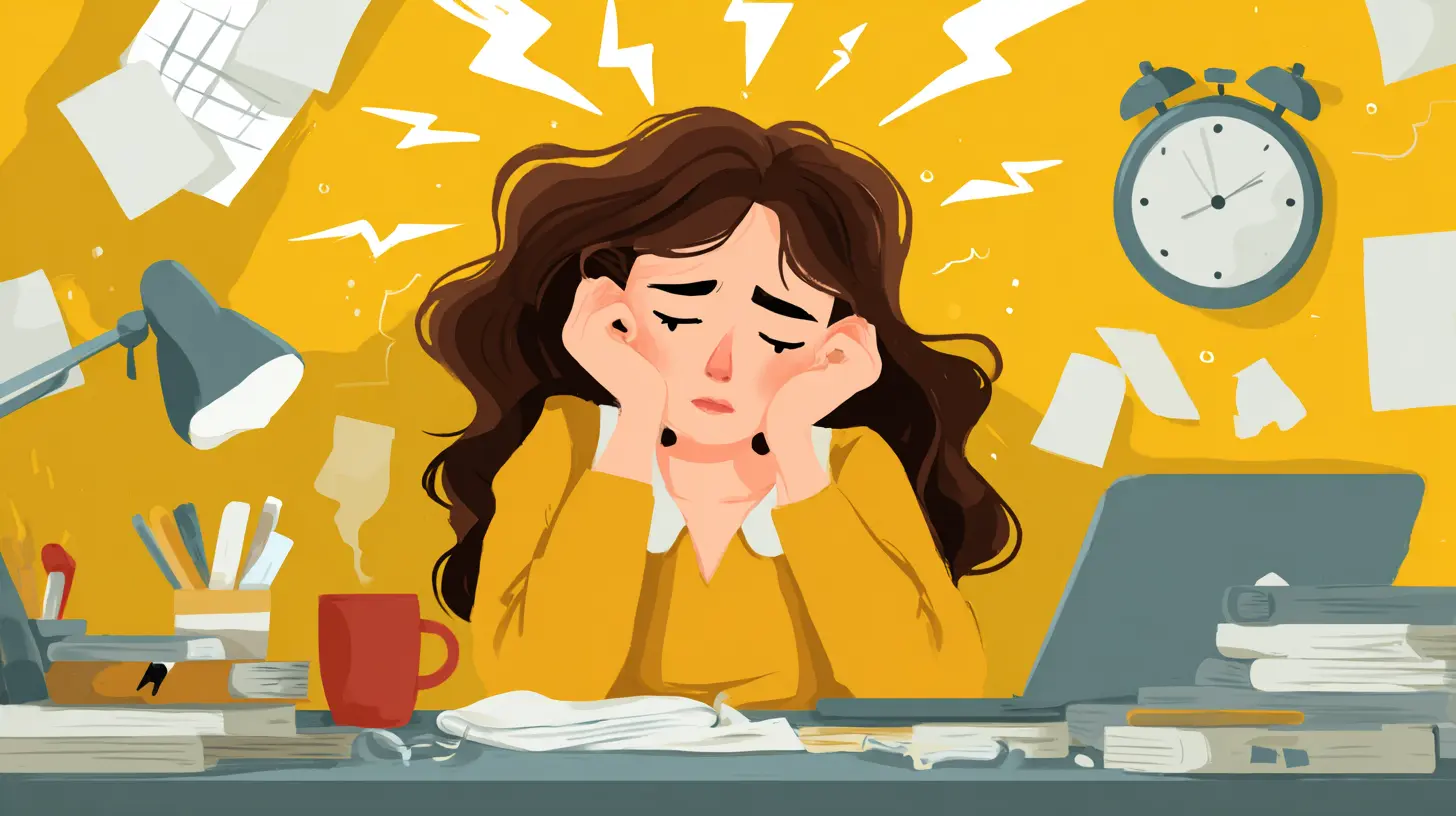
The most counterintuitive truth about rebuilding energy is that you must stop trying to push through. Many people respond to mental exhaustion by doubling down. They drink more coffee, work longer hours, or force themselves to be productive on weekends. This only deepens the deficit.Think of your mental energy like a bank account. If you are overdrawn, depositing small amounts while continuing to make large withdrawals will keep you in the red. The first step is to stop the withdrawals. That means identifying what is draining you most and temporarily reducing or eliminating those activities.
For example, if your job requires constant decision-making, delegate smaller choices. Eat the same breakfast every day. Wear a uniform of sorts. Reduce the number of meetings you attend. If social interactions drain you, give yourself permission to say no to non-essential gatherings. This is not laziness. It is strategic conservation.
One real-world example comes from a software developer I worked with who was burned out from debugging code for twelve hours a day. He could not stop working, but he could change how he worked. He started taking a ten-minute break every hour to stare out a window. He stopped checking email first thing in the morning. He moved his most cognitively demanding tasks to the morning when his energy was highest. Within two weeks, his sense of exhaustion dropped significantly. He did not rest more. He just stopped wasting energy on low-value activities.

The Role of Sleep Quality Over Quantity
Sleep is the foundation of energy recovery, but quality matters more than quantity. You can sleep nine hours and still wake up exhausted if your sleep is fragmented or shallow. The key is to improve sleep architecture--the structure of your sleep cycles.Mental exhaustion often leads to a condition called hyperarousal. Your mind remains alert even when your body is still. You lie in bed thinking about work, replaying conversations, or worrying about tomorrow. This prevents you from entering deep sleep stages where cellular repair and memory consolidation occur.
To fix this, you need to signal to your brain that it is safe to disengage. A consistent bedtime routine is more effective than trying to force yourself to sleep. Dim lights an hour before bed. Avoid screens because blue light suppresses melatonin. Do not work in your bedroom. If your mind races, try a cognitive shuffle technique: visualize a simple, repetitive image like a leaf floating down a stream. This occupies your working memory just enough to prevent anxious thoughts from taking over.
A common mistake is using alcohol to fall asleep. Alcohol may help you drift off, but it fragments sleep later in the night, reducing restorative deep sleep. Similarly, sleeping in on weekends can disrupt your circadian rhythm and make Monday harder. Aim for consistent wake times, even on days off.

Nutrition for Cognitive Recovery
What you eat directly affects your brain's ability to rebuild energy. Glucose is the primary fuel for the brain, but not all glucose sources are equal. Simple sugars give you a spike followed by a crash, which worsens mental fatigue. Complex carbohydrates, healthy fats, and protein provide steady energy.One overlooked factor is hydration. Even mild dehydration can impair cognitive function, reduce concentration, and increase feelings of fatigue. If you are mentally exhausted, you may forget to drink water. Set a reminder or keep a bottle at your desk.
Another consideration is micronutrient levels. B vitamins, magnesium, and iron play roles in energy production and neurotransmitter synthesis. If you have been under chronic stress, your body may be depleted in these nutrients. You do not need expensive supplements. Eating a varied diet with leafy greens, nuts, seeds, whole grains, and lean protein can help. But if you suspect a deficiency, a blood test is more reliable than guessing.
Avoid the temptation to rely on caffeine to power through exhaustion. Caffeine blocks adenosine, the neurotransmitter that signals tiredness. It does not eliminate the need for rest. It just postpones it. When the caffeine wears off, the adenosine hits you all at once, often making you more tired than before. Use caffeine strategically--one cup in the morning, none after noon--rather than as a crutch.
The Paradox of Movement
When you are mentally exhausted, the last thing you want to do is exercise. But physical movement is one of the most effective ways to restore mental energy. This seems contradictory because exercise uses energy. How can it give you energy?The answer lies in how exercise affects brain chemistry. Physical activity increases blood flow to the brain, delivering oxygen and nutrients. It triggers the release of endorphins, dopamine, and serotonin, which improve mood and reduce the perception of fatigue. It also lowers cortisol, the stress hormone that contributes to mental exhaustion when chronically elevated.
The key is to choose the right type and intensity. High-intensity interval training may be too demanding when you are depleted. It can increase cortisol further and leave you more drained. Low to moderate aerobic exercise--brisk walking, cycling at a conversational pace, swimming, or yoga--is more effective for recovery.
A practical approach is to integrate movement into your day rather than treating it as a separate chore. Take a ten-minute walk after lunch. Stretch for five minutes between meetings. Do some gentle yoga before bed. The goal is not to burn calories or build muscle. It is to reset your nervous system.
One example: a teacher I know was mentally exhausted from managing a chaotic classroom. She started walking for fifteen minutes immediately after school ended, before going home. That walk became a transition ritual that helped her leave work stress behind. She reported feeling less irritable with her family and more refreshed in the evening. The walk did not add to her fatigue. It reduced it.
Psychological Detachment and Boundaries
Mental exhaustion often persists because you never truly stop working. Even when you leave the office, your mind continues to ruminate on tasks, emails, and problems. This is called lack of psychological detachment. Without detachment, your brain never enters recovery mode.Building boundaries is essential. Define clear cutoffs for work. If you work from home, physically close your laptop at a set time. Do not check email after dinner. Do not take work calls during family time. These boundaries feel artificial at first, but they train your brain to disengage.
Another effective technique is compartmentalization. When you catch yourself thinking about work during off hours, consciously tell yourself, "I will deal with that tomorrow." Write down the thought so you do not worry about forgetting it. Then redirect your attention to something present--a conversation, a hobby, or simply the sensation of your breath.
A common misconception is that multitasking helps you get more done. In reality, multitasking fragments attention and increases mental fatigue. Each time you switch tasks, your brain must reorient, which costs energy. Single-tasking--focusing on one activity at a time--reduces cognitive load and preserves energy.
The Social Dimension of Energy
Social interactions can either drain or replenish your energy, depending on their quality. Introverts tend to find large groups or superficial conversations exhausting. Extroverts may feel drained by conflict or isolation. Understanding your own social needs is crucial.When you are mentally exhausted, you may be tempted to isolate completely. While some solitude is necessary, complete isolation can worsen mood and increase rumination. The goal is to seek restorative social contact. This means spending time with people who do not demand emotional labor from you. Friends who listen without judging, family members who make you laugh, or even a pet can provide comfort without draining you.
Avoid energy vampires--people who complain excessively, demand constant attention, or create drama. You do not need to cut them out permanently, but limit exposure until you have rebuilt your reserves. Set time limits on calls. Excuse yourself from conversations that feel heavy. This is not selfish. It is self-preservation.
The Trade-Off Between Rest and Stimulation
One of the hardest lessons in recovering from mental exhaustion is that complete rest is not always the answer. Lying in bed all day watching TV may feel restorative in the moment, but it often leaves you feeling worse. This is because passive consumption does not engage your brain in a way that promotes recovery. It can even increase feelings of guilt and stagnation.The alternative is active rest. This involves activities that are low in cognitive demand but high in engagement. Examples include gardening, painting, playing a musical instrument, cooking a simple meal, or doing a puzzle. These activities use different neural pathways than work, giving your exhausted circuits a break while still keeping your mind occupied in a pleasant way.
There is a trade-off here. Too much stimulation, even from enjoyable activities, can backfire. If you fill your free time with social events, hobbies, and exercise without any true downtime, you may never fully recover. The sweet spot is to alternate between active rest and passive rest. Spend an hour gardening, then sit quietly for fifteen minutes. Go for a walk, then lie on the couch and listen to music. This rhythm prevents boredom while allowing your nervous system to downshift.
Identifying and Addressing Root Causes
Rebuilding energy is not sustainable if you return to the same conditions that caused the exhaustion in the first place. You must identify the root causes and address them. This requires honest self-reflection.Ask yourself: What specifically is draining me? Is it the volume of work, the lack of control, the interpersonal conflict, or the absence of meaning? The answer determines the solution. If the problem is workload, you need to delegate or renegotiate expectations. If it is lack of control, you need to identify areas where you can make choices. If it is meaninglessness, you may need to reconnect with your values or consider a career change.
A common mistake is treating mental exhaustion as a temporary problem that will resolve on its own. It rarely does. Without intervention, it can spiral into burnout, which takes months or years to recover from. Recognizing the difference between normal tiredness and exhaustion is important. Normal tiredness improves with a good night's sleep. Exhaustion persists despite rest and requires systemic changes.
The Role of Purpose and Meaning
Energy is not just a biological phenomenon. It is also psychological. When you feel that your work or life has purpose, you can sustain effort longer and recover faster. When you feel that your efforts are pointless, even small tasks feel draining.This is not about finding a grand life mission. It is about connecting daily activities to values that matter to you. If you are a nurse, remind yourself that each interaction with a patient is an opportunity to provide comfort. If you are a data analyst, focus on how your insights help the team make better decisions. If you are a parent, recognize that the mundane tasks of caregiving build security and love for your child.
Meaning acts as a buffer against exhaustion. It does not eliminate fatigue, but it changes your relationship to it. You are more willing to endure short-term discomfort for long-term reward. When meaning is absent, every effort feels like a cost with no benefit.
Practical Daily Protocols
Theory is useful, but practical application matters more. Here is a set of daily protocols that can help rebuild energy over time. These are not rigid rules. Adjust them to fit your life.Start the morning with a buffer. Do not check your phone for the first thirty minutes. Use that time for a quiet activity like stretching, journaling, or drinking tea without multitasking. This sets a calm tone for the day.
Protect your peak energy hours. Identify when you are most alert--usually mid-morning--and reserve that time for your most important work. Do not schedule meetings or low-value tasks during that window.
Take breaks before you need them. Do not wait until you feel exhausted. Set a timer to step away from your desk every ninety minutes. Even five minutes of standing, walking, or deep breathing can reset your focus.
End the day with a shutdown ritual. Ten minutes before you finish work, write down what you accomplished and what you will do tomorrow. Close your laptop, turn off notifications, and physically leave your workspace. This signals to your brain that work is over.
In the evening, engage in low-stimulation activities. Read a physical book, take a warm bath, or listen to calm music. Avoid screens for at least an hour before bed. If you must use a device, enable a blue light filter.
Common Mistakes to Avoid
Several well-intentioned strategies can backfire. One is forcing yourself to be positive. Toxic positivity--insisting that everything is fine when it is not--suppresses genuine emotions and increases internal stress. It is healthier to acknowledge your exhaustion without judgment. Say to yourself, "I am really tired right now, and that is okay." Acceptance reduces the effort of fighting reality.Another mistake is comparing your recovery to others. Some people seem to bounce back quickly from stress. They may have different genetics, circumstances, or coping strategies. Your recovery timeline is your own. Rushing it only prolongs the process.
Relying on willpower to change habits is also a trap. Willpower is depleted when you are exhausted. Instead, design your environment to make good choices easy. Keep healthy snacks visible. Set your workout clothes next to your bed. Use apps to block distracting websites. Reduce friction for positive behaviors and increase friction for negative ones.
When to Seek Professional Help
Sometimes mental exhaustion is a symptom of an underlying condition like depression, anxiety, or chronic fatigue syndrome. If you have tried the strategies above for several weeks without improvement, or if you experience persistent sadness, loss of interest, physical pain, or suicidal thoughts, seek professional support. A therapist can help you identify deeper issues and develop a tailored recovery plan.There is no shame in needing help. Mental exhaustion is a sign that your system has been under strain, not a personal failure. Treating it with the same seriousness as a physical injury is wise.
Final Thoughts on Sustainable Energy
Rebuilding energy after mental exhaustion is not a quick fix. It is a process of recalibrating how you live, work, and rest. The goal is not to return to your previous baseline. It is to build a more sustainable way of being that prevents future crashes.This means accepting limits. You cannot do everything. You cannot be available to everyone. You cannot sustain high performance without recovery. These are not weaknesses. They are facts of human biology. Working with them rather than against them is the path to lasting energy.
The most important shift is internal. Stop viewing rest as a reward you must earn. View it as a necessity you must protect. When you treat recovery as a priority, your energy becomes more stable, your thinking becomes clearer, and your resilience grows. That is the real goal of rebuilding--not just to feel less tired, but to live with more vitality and purpose.
all images in this post were generated using AI tools
Category:
Emotional BurnoutAuthor:

Ember Forbes
Discussion
rate this article
1 comments
Zephyrion Fisher
Sometimes, simply resting your mind and embracing small moments of joy can restore your energy remarkably.
August 7, 2026 at 4:42 AM
Ember Forbes
Absolutely! Those small moments can make a big difference in rejuvenating our spirits.