How to Create a Sense of Belonging in Diverse Work Teams
14 July 2026
Okay, let’s talk real for a second.
You walk into a room full of your team members. Laughter fills the air, everyone's chatting, and yet… you feel invisible, like a guest at someone else’s party. Sound familiar? That’s what happens when belonging is missing in the workplace.
Now, flip it.
Imagine walking into that same room and you’re greeted with high-fives, people remember your dog’s name, your ideas are welcomed like gold coins, and you feel—well, at home.
That, my friend, is the magic of belonging.
In this article, we're diving deep into how to create a sense of belonging in diverse work teams. Why? Because diversity without inclusion is like a car without gas—it looks good, but it ain’t going nowhere.
Let’s roll.
Why Belonging Matters (More Than You Think)
Alright, first things first. Why should we even care about belonging?It’s simple: people want to be seen. We’re wired for connection. When team members feel like they belong, they show up with their whole selves—creativity, honesty, bold ideas, and all. Productivity goes up, turnover drops, and the vibes… immaculate.
On the flip side, when people feel excluded, morale nosedives. Anxiety creeps in. Trust erodes. And no, a ping pong table in the break room won't fix it.
Belonging is the foundation of a healthy workplace, especially in diverse teams.
Diversity + Inclusion ≠ Belonging (Wait, What?)
Let’s clarify something. Diversity and inclusion are not the same as belonging. They’re the ingredients, yes, but belonging is the cake.- Diversity is having different people at the table—variety in culture, race, gender, age, background, and experience.
- Inclusion is ensuring those people have a voice at the table.
- Belonging is making sure they actually feel comfortable eating at the table and know they won’t be judged for how they hold their fork.
Got it? Cool.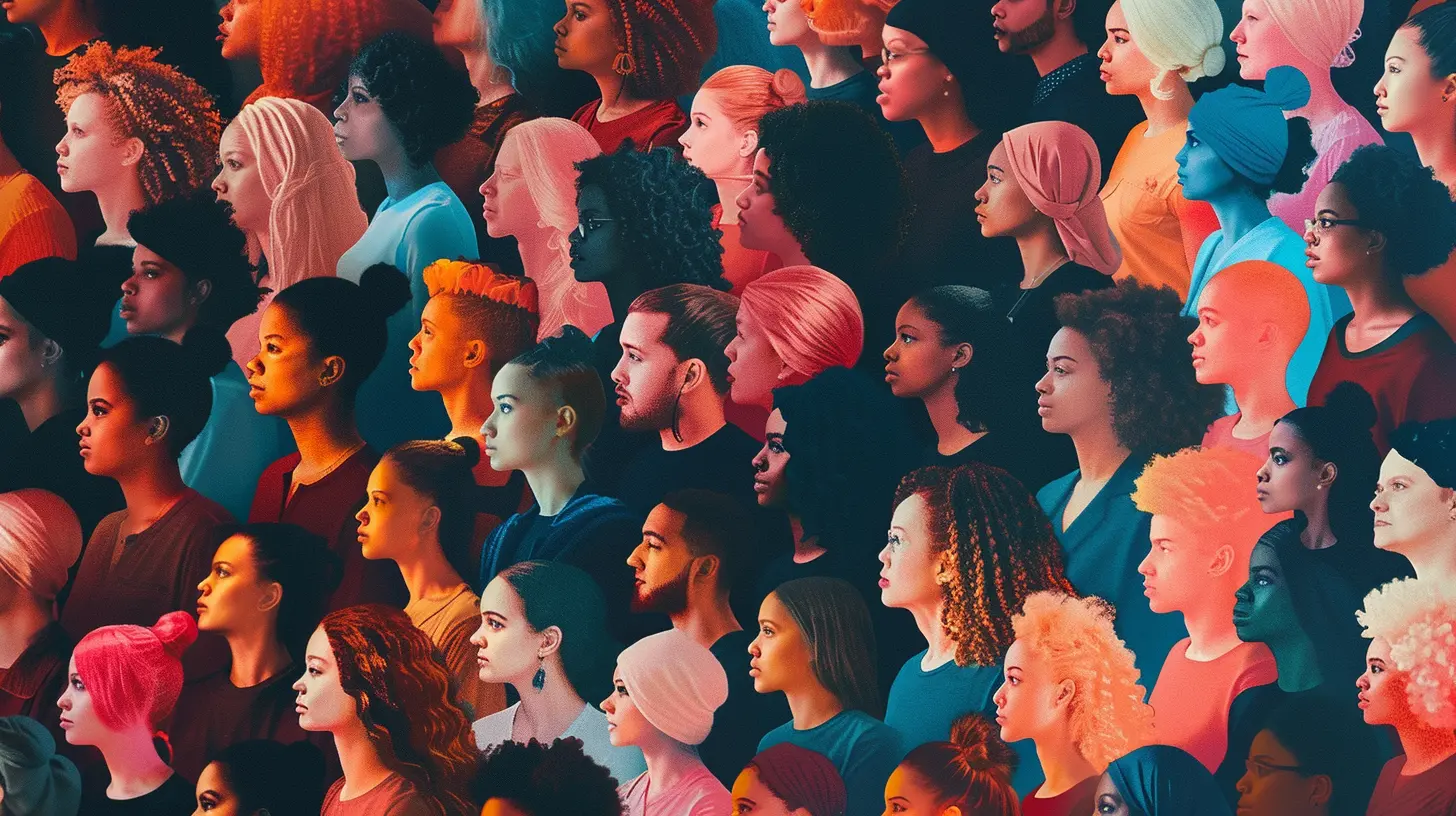
Signs Your Team Is Craving Belonging
Sometimes the red flags are obvious, but other times they wear disguises. Here's what a lack of belonging might look like in your diverse team:- People stay quiet in meetings even when they have something to say
- You keep hearing the same voices dominate conversations
- Team members avoid asking for help or feedback
- New employees don’t last long or don’t engage
- There’s a “clique” culture
If any of that rings a bell, don’t worry. You’re not alone—and there’s good news. You can absolutely fix this.
1. Start With Psychological Safety
Here’s the foundational brick: psychological safety. That’s just a fancy way of saying people feel safe to say what’s on their mind without fear of being judged, punished, or laughed at.You want your team to feel safe enough to say, “I don’t get this,” or “I have a different perspective,” without worrying that it’ll backfire.
How to build psychological safety?
- Admit your own mistakes as a leader. That’s powerful.
- Encourage questions and curiosity.
- Never shoot down a new idea harshly.
- Make it clear that everyone’s input holds value.
Psychological safety whispers, “You matter here.”
2. Celebrate Differences, Don’t Just Tolerate Them
Let’s not sugarcoat it—difference can be uncomfortable. But growth? Yeah, it lives just outside that comfort zone.Instead of just "tolerating" differences, embrace and celebrate them.
- Acknowledge cultural holidays and personal traditions.
- Create spaces where people can share about their background authentically.
- Invite diverse perspectives when making decisions.
- Encourage learning about each other's journeys—not in a weird, forced way, but with genuine curiosity.
When you celebrate differences, you create a culture of appreciation, not assimilation.
3. Make Recognition a Ritual
We all want to feel seen. It's human nature.So, make recognition part of your team’s DNA. And not just the “Employee of the Month” kinda surface-level stuff. We’re talking about personal, intentional praise.
- Shout out small wins during team meetings.
- Appreciate effort, not just results.
- Acknowledge contributions from everyone, not just the loudest or most visible.
Recognition isn’t just a pat on the back. It’s a signal that says, “You belong.”
4. Encourage Authenticity (Like, Real Realness)
You can't feel like you belong if you’ve got to wear a mask daily. Pretending to be someone you’re not? Exhausting.Create a space where people feel comfortable showing up as they are. That means:
- No pressure to “fit in” with office norms
- Celebrating quirks and unique working styles
- Embracing authenticity in communication styles (yes, even emojis in emails 😎)
Let people bring their whole, weird, wonderful selves to work.
5. Build Inclusive Team Rituals
Every team has rituals—whether it’s Monday morning stand-ups, virtual coffee chats, or Friday lunches. Problem is, many of these are unintentionally exclusive.Ask yourself:
- Do your rituals work for everyone, or just the majority?
- Are remote folks left out of team bonding?
- Is language or humor used that might alienate some?
Revamp those rituals. Make sure everyone feels invited and excited to participate. Maybe it’s rotating “team spotlight” days, themed meetings, or cross-cultural exchange sessions.
Whatever you choose, make it inclusive and intentional.
6. Give Everyone a Voice
Here’s a nugget of truth: the loudest voices aren’t always the wisest.To foster belonging, ensure every voice has a chance to be heard. And no, this doesn’t mean forcing people to speak up in meetings if that’s not their vibe.
Try this:
- Send out meeting prompts ahead of time so introverts can prepare
- Use anonymous suggestion boxes
- Rotate who leads team discussions
Creating multiple ways to contribute ensures that everyone has a voice—even if it’s not the shouting kind.
7. Lead With Vulnerability
You know what connects people faster than anything else? Vulnerability.When leaders show they’re human—flaws and all—it gives others permission to do the same. And that crack in the armor? That’s where belonging sneaks in.
So go ahead and share:
- A time you messed up but learned from it
- A personal challenge you’re navigating
- How you're actively learning to be more inclusive
People respect polished leaders. But they’ll follow vulnerable ones.
8. Tailor Your Approach (One Size Does Not Fit All)
Let’s ditch the cookie-cutter approach, shall we?Creating belonging in diverse teams means recognizing that different people have different needs. What makes one person feel connected might make another feel awkward.
Tips for tailoring your approach:
- Ask individuals how they prefer to receive feedback or praise
- Learn about team members’ communication styles
- Offer flexibility in work hours, methods, and expectations
Belonging isn't about treating everyone the same. It’s about treating people with the respect and understanding they need.
9. Keep Listening & Learning (It’s a Marathon, Not a Sprint)
Creating belonging is not a checkbox. It’s an ongoing journey.So, keep listening. Keep growing.
Encourage feedback on how your team is doing when it comes to inclusion and belonging. And don’t just ask—act on what you hear.
You don’t need to be perfect. You just need to show up, try, and be willing to get a little uncomfortable on the road to real connection.
10. Be the Belonging You Want to See
Yeah, we saved the best for last.Every single person on a team contributes to the culture—whether they realize it or not. So why not lead by example?
- Be kind.
- Be curious.
- Be open.
- Be inclusive.
Smile more. Use names. Say thank you. Check in. Show up.
Creating a sense of belonging isn’t just the job of HR or management. It’s everyone’s responsibility. That means you, too.
Final Thoughts
Belonging isn’t a corporate buzzword. It’s the heartbeat of a thriving, happy, and high-performing team—especially when that team is diverse.When people feel they belong, they don’t just survive at work—they flourish.
So whether you’re a manager, team member, or that quiet person in the corner with game-changing ideas—know this: you have the power to create belonging.
It starts with empathy. It grows with action. And it lives in the moments where people feel seen, heard, and valued.
Let’s build workplace cultures where everyone feels at home.
all images in this post were generated using AI tools
Category:
Workplace PsychologyAuthor:

Ember Forbes
Discussion
rate this article
1 comments
Merida McCall
This article offers valuable insights on fostering belonging in diverse teams. Emphasizing open communication and inclusivity can significantly enhance collaboration and innovation. Practical strategies are a must for any leader aiming to unite their team.
July 17, 2026 at 3:14 AM
Ember Forbes
Thank you for your thoughtful comment! I'm glad you found the insights on open communication and inclusivity helpful. Practical strategies are indeed key to fostering a strong sense of belonging in diverse teams.