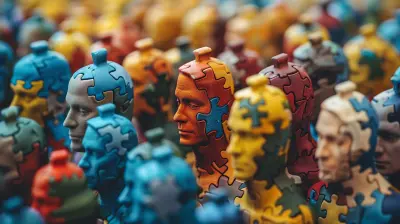
How Pretending to Be Happy Can Harm Your Mental Health in 2027
16 April 2026
Let’s paint a picture, shall we? It’s 2027. You’ve just had a day that could sour milk from across the room. Your personal AI assistant suggested a “wellness micro-dose” of disappointment-filtering, your smart mirror flagged your “non-joy facial asymmetry” with a frowny emoji, and your social feed is a relentless, algorithmically-smooth cascade of everyone else’s curated, augmented-reality bliss. So what do you do? You paste on a smile, you chirp “Living the dream!” into your voice-to-text journal, and you perform the daily sacrament of our modern age: you pretend everything is fine.
Congratulations. You’ve just successfully uploaded a virus directly into your own psyche. And no, I’m not being dramatic—well, maybe a little, but it’s for a good cause. In our brave new world of 2027, where emotional analytics are a subscription service and “vibes” are a quantifiable currency, pretending to be happy isn’t just a social nicety. It’s a fast-track ticket to a spectacular, full-color, mental burnout. Let’s pull back the curtain on this carnival of forced cheer and see why the “grin and bear it” philosophy is about as useful as a chocolate teapot.
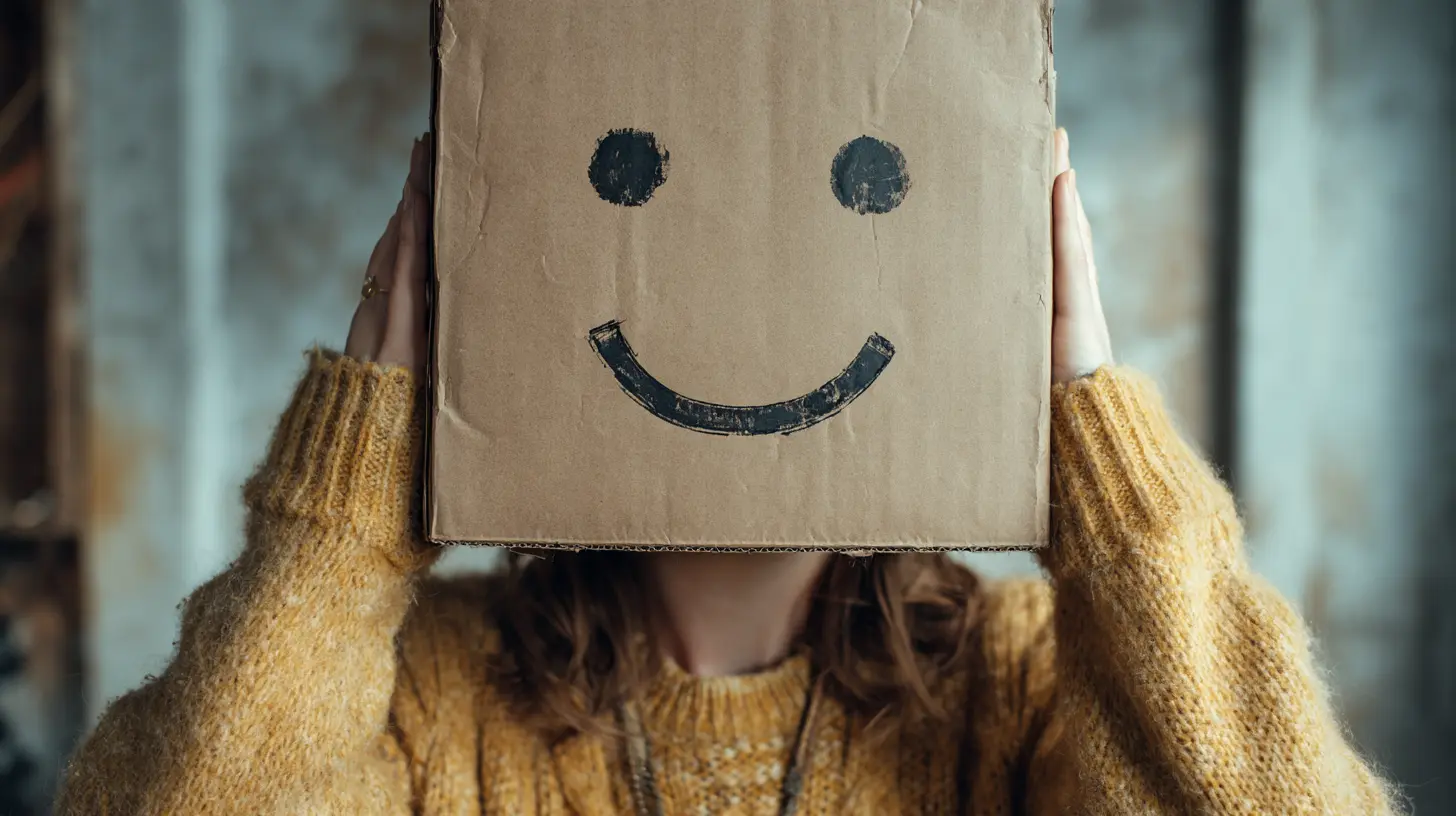
The 2027 Happiness Industrial Complex: You’re Not Smiling, You’re Consuming
First, we need to understand the arena. Pretending to be happy in 2027 isn’t like it was for your grandparents. They might have had to slap on a smile for a church picnic or a boss they disliked. Simple, analog fakery. Today? Oh, honey. You’re swimming in a digital ocean engineered to monetize your emotions.Think about it. Every platform, every app, every wearable in 2027 is designed with one covert mission: to keep you in a state of pleasant, passive, purchasable contentment. Negative emotions are bad for engagement metrics. Sadness doesn’t sell ad space. So the entire architecture of our digital lives subtly (and not-so-subtly) encourages you to perform happiness. Your mood-ring smartwatch pings you to “boost your vibe score” when your cortisol spikes. Your social media offers “auto-joy filters” that literally adjust your facial expression in real-time video calls. The message is deafening: Your authentic, messy, sometimes-grumpy human experience is a glitch in the system. And what do we do with glitches? We patch them over with a performative smile.
This isn’t just lying to your friends about your bad day. This is lying to a network of sensors, algorithms, and data brokers who then reflect that lie back at you as the only acceptable reality. It’s emotional gaslighting on a planetary scale, and you’re both the victim and the perpetrator.

The Psychological Plumbing Back-Up: What “Fake It ‘Til You Make It” Actually Breaks
Alright, let’s get down to the gritty, neurological nitty-ty. When you pretend to be happy, what are you actually doing under the hood? Spoiler alert: it’s not pretty.The Emotion-Body Mismatch: Your Brain Throws an Error 404
Your body and brain are in a constant, intimate dialogue. When you feel genuine joy, a symphony of neurotransmitters fires up. Dopamine, serotonin, oxytocin—they do a little chemical conga line. But when you pretend, you’re forcing your facial muscles into a configuration (the smile) and your body into a posture (open, relaxed) that signals “joy” without the orchestra to back it up.Your brain, that brilliant, literal-minded organ, gets profoundly confused. It’s getting signals from your clenched jaw and strained smile muscles saying “WE ARE HAPPY,” while the emotional core, the limbic system, is screaming, “I AM ANXIOUS AND TIRED AND WANT TO SCREAM INTO A PILLOW.” This cognitive dissonance isn’t just uncomfortable; it’s stressful. It’s like flooring the accelerator and slamming on the brakes simultaneously. The resulting friction creates a low-grade, chronic stress response. Cortisol, the stress hormone, starts to leak into your system like a slow drip from a rusty pipe. Over days, weeks, and years of this in 2027’s always-on performance culture, this drip can flood the basement of your mental health.
The Emotional Compression Chamber: Where Feelings Go to Fester
Imagine your emotions are like emails. Authentic happiness is an email you read, feel, and archive. Genuine sadness is one you read, feel, maybe cry over, and then file away. But pretended happiness? That’s you taking a whole inbox of unread, urgent, screaming emotional emails—anger, grief, frustration, envy—and dragging them all into the “Spam” folder. Out of sight, right?Wrong. The spam folder has a size limit. In 2027, with the constant pressure to perform, that folder fills up fast. And what happens when a storage system is over capacity? It fails. It corrupts. It manifests in bizarre and unexpected ways. That unexplained migraine? Could be compressed rage. That sudden, overwhelming sense of numbness while watching a cute pet hologram? That’s your emotional inbox refusing any more data. Psychologists call this emotional dissonance, and it’s a primary driver of burnout, depression, and anxiety. You’re not processing your feelings; you’re just shrink-wrapping them and hoping they don’t explode. They always do.
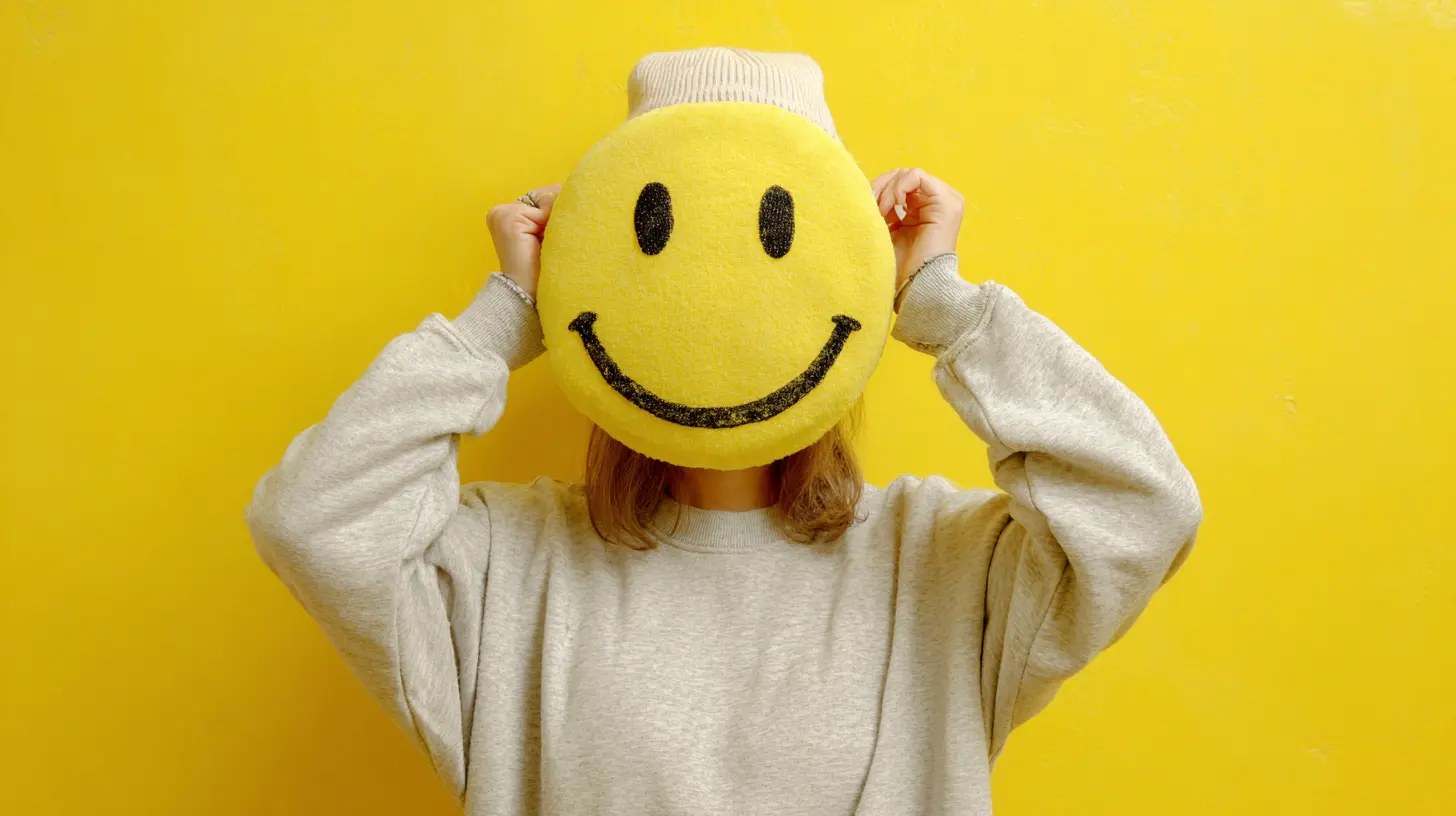
The Social Spiral: Your Fake Smile is Making Everyone Else Miserable Too
Here’s the ironic, communal tragedy of our 2027 happiness charade. You think you’re pretending to be happy to connect? To fit in? You’re actually building a prison for yourself and your cellmates.When you post that flawless, AI-assisted image of your “perfect” morning routine while secretly wanting to throw your smart-coffee mug out the window, what are you doing? You’re adding another brick to the wall of unrealistic expectations. You’re feeding the very beast that’s pressuring you. Your friend, who is also having a secretly terrible day, sees your post and thinks, “Wow, everyone has it together except me. I better try harder to fake it.” So they post their own flawless moment. And the cycle continues.
This creates a social ecosystem of collective loneliness. We’re all surrounded by a chorus of voices shouting “I’M GREAT!” while silently drowning. It becomes impossible to know who to reach out to for real connection, because everyone’s mask is so convincingly polished. You feel isolated in your actual feelings, believing you’re the only one failing at the game of happiness. This erodes empathy, deepens social anxiety, and makes authentic vulnerability feel like a dangerous, radical act. In trying to seem happy to connect, we ensure no real connection can ever happen.
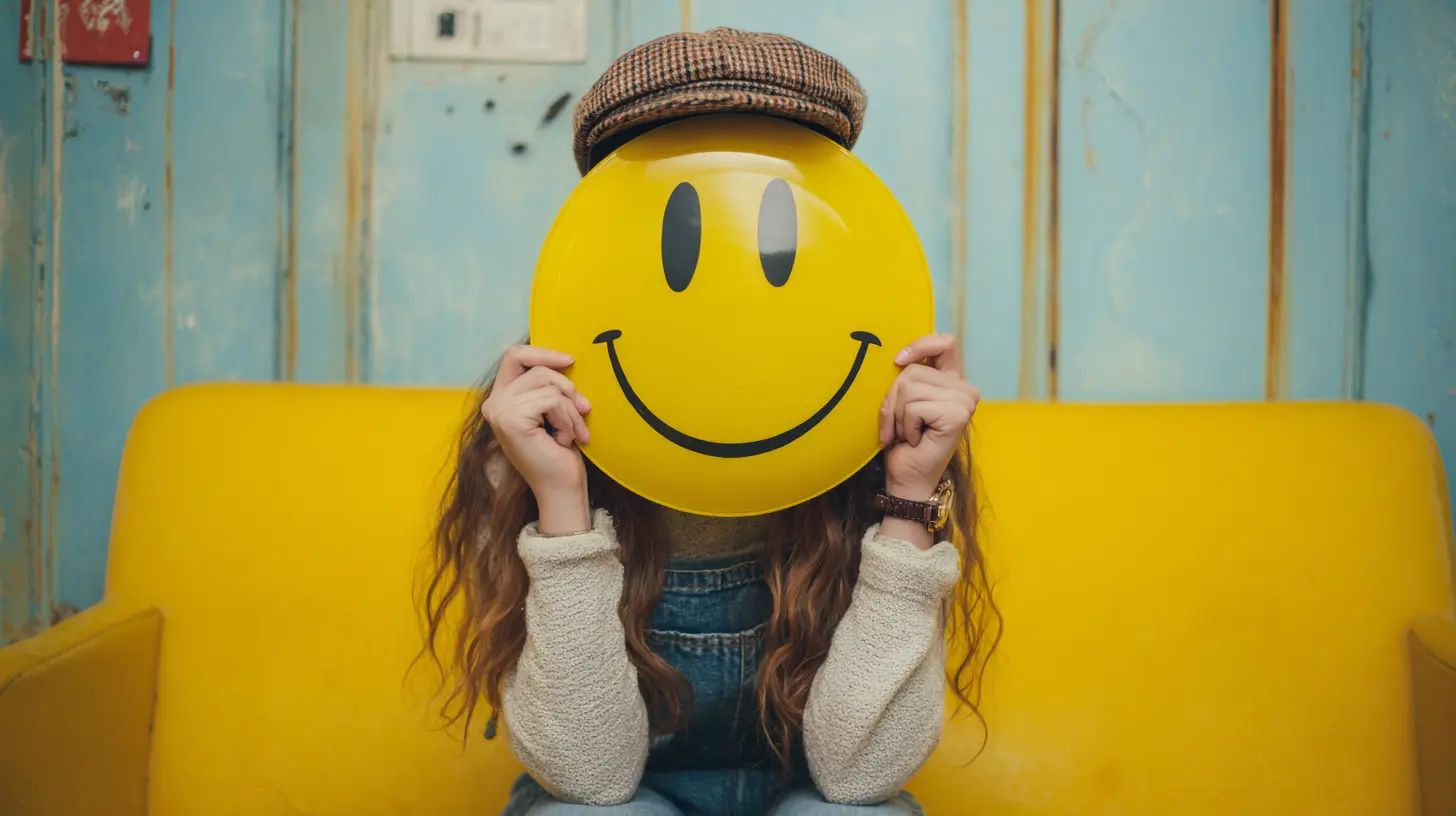
The 2027 Specifics: Why It’s Getting Worse (Yes, Really)
“But people have always pretended a little!” I hear you cry. True. But 2027 has some special, shiny new tools to make this pathology so much worse.* Biometric Social Credit: Imagine your “mood stability” score affecting your loan applications or your job promotions. The incentive to fake calm, happy contentment isn’t just social—it’s financial and existential.
Emotional Deepfakes & AR Overlays: Why feel joy when you can just look* like you’re feeling joy in real-time? The line between authentic expression and digital performance doesn’t just blur; it vanishes. Your own face becomes a mask you can’t take off.
* The Quantified Self Trap: When your watch gives you a daily “emotional wellness score,” you start gaming the system for the number, not for the actual feeling. You learn which performances trigger a higher score, divorcing you further from your internal state.
In this environment, pretending to be happy stops being a choice and starts resembling a mandatory life-skill for functioning in society. And mandatory emotions are, by definition, oppressive.
The Antidote: Embracing the Glorious, Unprofitable Mess of Being Real
So, in the face of this smiling dystopia, what’s a human to do? Do we all just become grumpy hermits? Not necessarily. The antidote isn’t perpetual sadness; it’s authenticity.It’s about reclaiming the full spectrum of your human experience. It’s giving yourself permission to say, “My vibe today is ‘mildly corrosive,’ and that’s okay.” It’s about finding the small, unperformative moments of real connection—a text to a friend that says “Today was hard,” without a cushioning joke. It’s about looking at the joy-filtered world and muttering, “That’s nice, but my reality is different right now.”
Start small. In 2027, a radical act might be:
* Post a “Glorious Mess”: Share an unfiltered, un-staged moment online. The burnt toast. The chaotic desk. The real, tired smile.
* Practice “Emotional Labeling”: Instead of saying “I’m fine,” try “I’m feeling stretched thin,” or “I’m cautiously optimistic.” Precise language validates your truth.
* Audit Your Tech: Turn off the joy-score notifications. Ditch the auto-smile filter for a week. See what your real face wants to do.
* Seek the “Meh” Alliance: Find the people who are also tired of the performance. Cultivate spaces where “How are you?” is met with something other than “Amazing!”
Pretending to be happy in 2027 is like putting a “Engine Perfect” sticker on a car that’s billowing smoke. It might fool the neighbors for a while, but you’re not going anywhere good, and eventually, everything will seize up. True mental health isn’t found in the flawless performance of happiness. It’s found in the courageous, messy, and utterly human work of feeling what you actually feel—and knowing that, in a world demanding constant cheer, that is more than enough.
all images in this post were generated using AI tools
Category:
Toxic PositivityAuthor:

Ember Forbes
Discussion
rate this article
1 comments
Yazmin Kearns
The irony? In 2027, we’ve perfected the mask—but our algorithms still can’t read the cracks. Authenticity isn’t a trend; it’s survival.
April 30, 2026 at 4:21 AM
Ember Forbes
You make a great point. Masks can hide so much, but true connection relies on authenticity. We need to prioritize being real, even when it feels tough.