How Personality Types Influence Team Dynamics
29 May 2026
Ever been in a team where everything just clicked? Or maybe you've struggled in a group that felt like a constant battle? The secret often comes down to personality types. Understanding different personalities in a team can be the difference between smooth collaboration and total chaos.
Let’s dive into how personality types shape team dynamics and how you can use this knowledge to build stronger, more effective teams.
Understanding Personality Types
Before we examine their impact on teamwork, let’s talk about what personality types really are. Psychological research categorizes personalities in different ways, but one of the most popular systems is the Big Five Personality Traits:1. Openness – Creative and open to new experiences.
2. Conscientiousness – Organized and detail-oriented.
3. Extraversion – Outgoing and energized by social interactions.
4. Agreeableness – Cooperative and empathetic.
5. Neuroticism – Prone to stress and emotional fluctuations.
Another widely used model is the MBTI (Myers-Briggs Type Indicator), which categorizes people into 16 personality types based on four opposing traits:
- Introversion (I) vs. Extraversion (E)
- Sensing (S) vs. Intuition (N)
- Thinking (T) vs. Feeling (F)
- Judging (J) vs. Perceiving (P)
Each person in a team brings their unique blend of these traits, shaping how they communicate, solve problems, and handle pressure.

How Different Personality Types Affect Team Dynamics
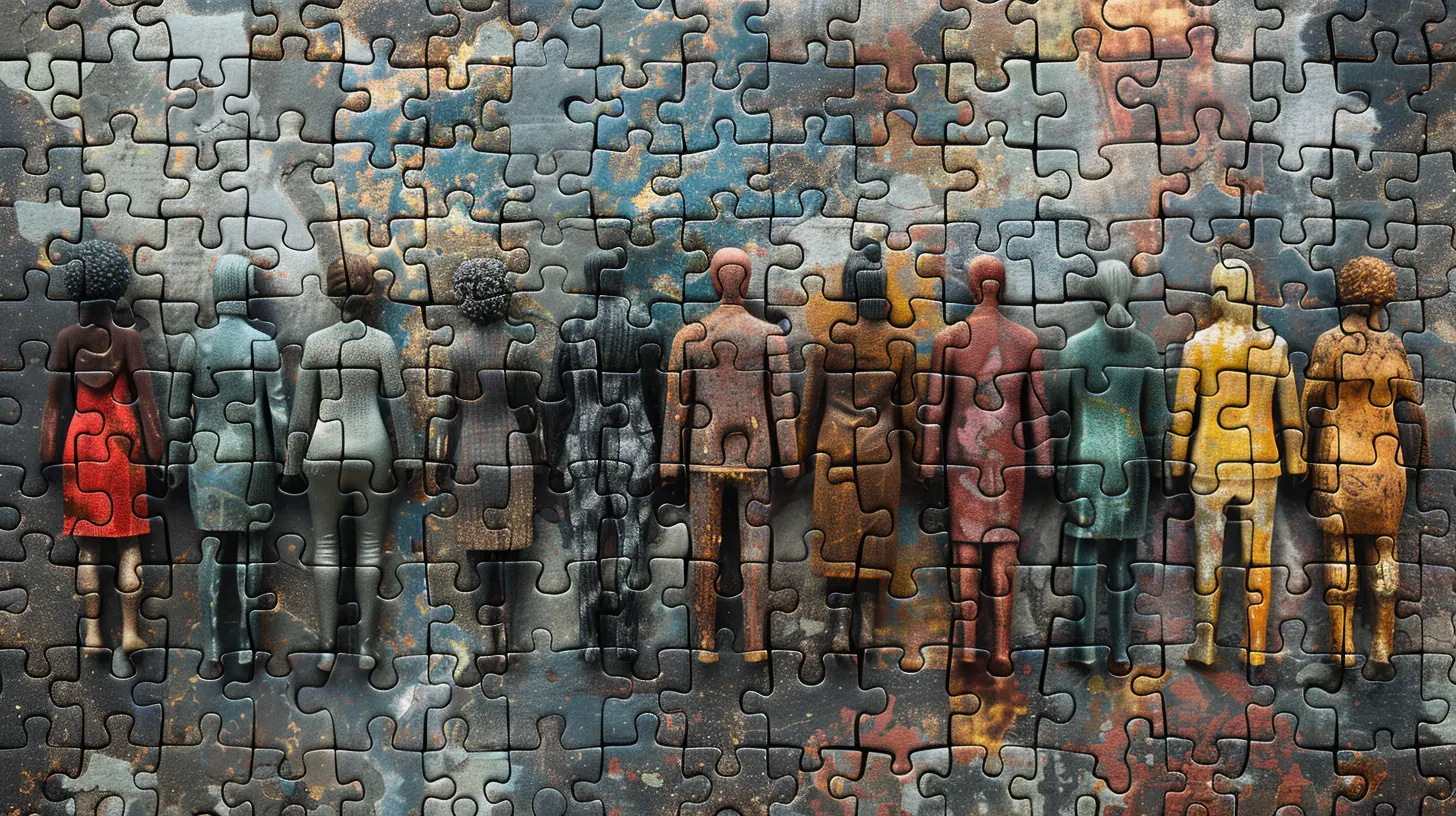
A team is like a puzzle—each piece is different, but they all need to fit together. Let’s break down how specific personality traits influence teamwork.1. The Leader vs. The Follower
Some people naturally step up to lead, while others prefer to follow directions. Extraverts (E) and Judging (J) personalities often take charge, setting goals and pushing the team forward. On the other hand, Introverts (I) and Perceivers (P) may prefer to take a backseat, observing before acting.A team with too many leaders? Expect power struggles. Too many followers? You might lack direction. The best teams have a mix that balances initiative with cooperation.
2. The Thinker vs. The Feeler
When it comes to making decisions, some rely on logic (Thinkers - T) while others consider emotions (Feelers - F).- Thinkers focus on data, efficiency, and facts. They want what makes the most logical sense.
- Feelers prioritize harmony, relationships, and fairness. They want to ensure everyone is happy with the decision.
A purely logical team might come across as cold and detached, while a team full of feelers could struggle with tough decisions. The best approach? A balance of both perspectives.
3. The Detail-Oriented vs. The Big-Picture Person
Do you focus on the tiny details, or are you someone who sees the bigger vision?- Conscientious types (C in the Big Five, or Judging types in MBTI) love structure and precision. They ensure everything gets done properly.
- Openness and Intuitive (N) personalities think outside the box, seeing possibilities others might miss.
A well-rounded team needs both visionaries and practical doers—one to dream and one to execute.
4. Extraverts vs. Introverts in Team Communication
Extraverts thrive in lively discussions, while introverts prefer quiet reflection. If an extravert-dominated team doesn’t give introverts space to speak, they might miss out on brilliant ideas.The trick is creating an environment where both communication styles are valued—maybe giving introverts time to prepare thoughts before meetings while letting extraverts brainstorm out loud.
5. Handling Stress: Neuroticism and Stability
Some people stay calm under pressure, while others feel overwhelmed. Highly neurotic team members may struggle with uncertainty and stress, while emotionally stable individuals provide a grounding presence.Having a mix can be beneficial—stable team members offer reassurance, while those prone to worry might be great at spotting potential risks before they become problems.

The Secret to a Successful Team: Personality Balance
So, what makes a team truly successful? It’s not about picking a group of people who all think the same way. Instead, the magic happens when different personalities complement each other.Here’s how you can ensure a balanced, high-functioning team:
✅ Encourage Open Communication
If people understand each other's strengths and weaknesses, they’re more likely to work harmoniously. Simple things like personality assessments or open discussions about work preferences can reduce misunderstandings.✅ Leverage Strengths Instead of Fighting Differences
Instead of trying to change people, use their strengths to your advantage. Have a structured planner on board? Let them organize. Got a creative thinker? Let them brainstorm the big ideas. When roles align with personalities, the whole team wins.✅ Adapt Leadership Styles to Team Composition
Some teams thrive under structured leadership, while others excel with a more flexible approach. Leaders who recognize and adjust to the personalities on their team create a more productive and engaged workforce.✅ Create an Inclusive Environment
A team full of extroverts might unintentionally overlook introverts, while a logical team might dismiss emotional perspectives. Make sure everyone’s voice is heard and valued, no matter their personality type.✅ Manage Conflict Effectively
Personality clashes are inevitable. Instead of hoping conflicts won’t happen, create a work culture where differences can be discussed openly and resolved constructively.
Real-Life Examples of Personality Types in Teams
Let’s put theory into practice with some real-life scenarios:🏆 High-Performing Startup Team:
A balance of a visionary (Intuitive, N) CEO, a detail-oriented (Judging, J) operations manager, and an outgoing (Extraverted, E) marketing specialist keeps things running smoothly.
⚡ Dysfunctional Team:
Imagine a team where everyone wants to lead without listening—constant clashes, no direction. Or a group where everyone is agreeable but lacks decision-makers, causing endless delays.
Understanding personality types can prevent dysfunction and improve efficiency.
Final Thoughts
At the heart of every strong team lies diverse personalities working together. Instead of seeing differences as obstacles, embrace them as opportunities to create something powerful.So next time you're in a team, take a step back and observe—who's the leader, who's the planner, who's the creative thinker? Understanding personalities might just be the key to unlocking your team's full potential.
all images in this post were generated using AI tools
Category:
Workplace PsychologyAuthor:

Ember Forbes
Discussion
rate this article
1 comments
Caleb Torres
Understanding personality types is crucial in shaping effective team dynamics. Each member brings unique strengths and challenges, and recognizing these differences fosters collaboration. Emphasizing communication and adaptability can transform diverse personalities into a cohesive unit, driving success and innovation in any project.
June 16, 2026 at 3:23 AM