How Neuroplasticity Supports Long-Term Emotional Healing
3 August 2026
For decades, the prevailing view in psychology and neuroscience was that the adult brain was hardwired. After a certain age, the story went, you were stuck with the neural architecture you had. If you were anxious, depressed, or trapped in patterns of emotional reactivity, your best hope was to manage the symptoms, not change the underlying structure. That view is now obsolete.
The brain is not a fixed machine. It is a living, dynamic organ that reorganizes itself in response to experience, thought, and behavior. This property is called neuroplasticity. And while the term has become something of a buzzword, its implications for emotional healing are profound and deeply practical. Understanding how neuroplasticity works, and how to harness it intentionally, changes what you believe is possible for your own emotional life.
This article is not about quick fixes or positive thinking gimmicks. It is about the real, often slow, sometimes frustrating process of rewiring the brain to support lasting emotional change. We will look at the mechanisms, the practical strategies, the common mistakes, and the trade-offs involved in using neuroplasticity for healing.

What Neuroplasticity Actually Means for Your Emotions
Neuroplasticity is the brain's ability to change its structure and function in response to experience. This happens at multiple levels: new neurons can be created in certain regions, existing neurons can form new connections, and the strength of connections can be increased or decreased. The brain is constantly pruning away unused pathways and strengthening the ones you use most.For emotional healing, this matters because your emotions are not just abstract feelings floating in your mind. They are rooted in neural circuits. When you experience trauma, chronic stress, or prolonged sadness, your brain adapts to that environment. It becomes more efficient at detecting threats, more sensitive to rejection, and more likely to trigger a stress response. That is not a character flaw. It is a survival adaptation that has outlived its usefulness.
The good news is that the same mechanism that created those maladaptive patterns can also create healthier ones. If you repeatedly practice a new emotional response, your brain will eventually treat that response as the default. This is not about erasing the past. The old circuits still exist. But you can build new highways that are wider and faster than the old dirt roads, and with enough use, the brain learns to route traffic there first.

The Difference Between Relief and Healing
One of the biggest misconceptions about neuroplasticity is that it promises a direct line from insight to change. You understand your childhood, you have a cathartic moment, and suddenly your brain rewires itself. That is not how it works.Emotional relief and emotional healing are different things. Relief is feeling better in the moment. It can come from a good conversation, a walk, medication, or a change in circumstances. Healing is a structural change in how your brain processes emotional information. It is more durable, but it takes longer and requires repetition.
Consider someone who has a fear of public speaking. Going to therapy and realizing that the fear comes from a childhood humiliation might provide relief. They understand the source. But if they never practice speaking in front of others, the neural pathway for fear remains strong. The insight alone does not rewire the brain. The rewiring happens when they repeatedly expose themselves to the feared situation, tolerate the anxiety, and build a new association: public speaking is not dangerous.
This is why many people get stuck in therapy. They become excellent at analyzing their emotions but never change their behavior. Neuroplasticity requires action. It requires you to do things differently, not just think about them differently.

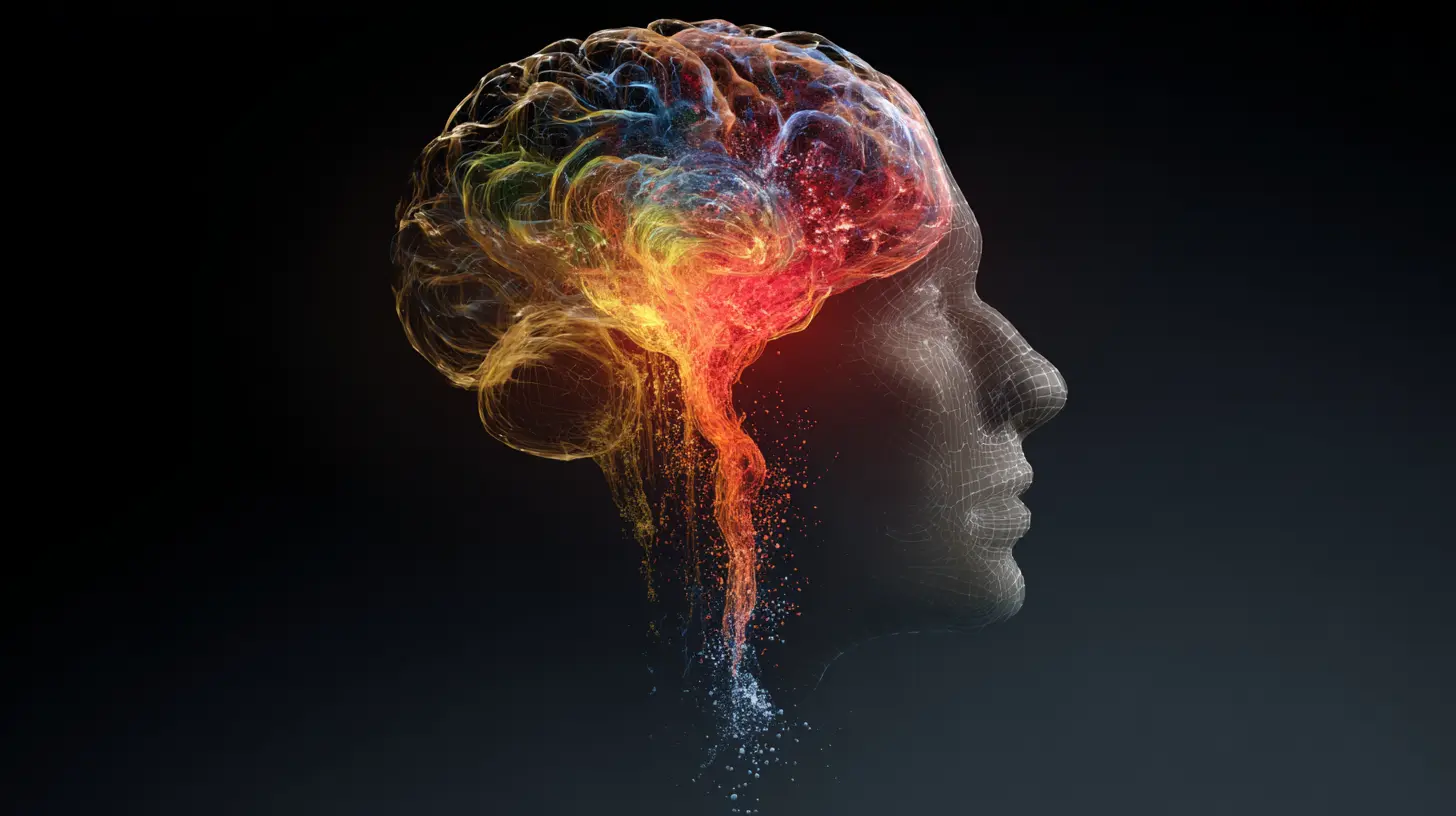
The Core Mechanism: Neurons That Fire Together Wire Together
The phrase "neurons that fire together wire together" is a simplification, but it captures the essential principle. When you engage in a behavior, thought, or emotional response, the neurons involved activate simultaneously. Over time, the connections between those neurons become stronger. This is called long-term potentiation.The flip side is also true. Neurons that stop firing together start to lose their connection. This is synaptic pruning. If you stop engaging in a behavior, the associated neural pathway weakens. This is not immediate. It takes weeks or months of consistent non-use. But it is a real phenomenon.
For emotional healing, this means two things. First, you must actively practice the emotional states you want to cultivate. If you want to feel more calm, you need to practice calm. Not just once, but repeatedly, in increasingly challenging situations. Second, you must stop reinforcing the old patterns. Every time you engage in catastrophic thinking, you strengthen that pathway. Every time you avoid a situation that makes you anxious, you strengthen the avoidance pathway.
This is the hard part. It means taking responsibility for the small, daily choices that either build your new brain or maintain your old one.
Why Repetition Beats Intensity
A common mistake is to think that a single powerful experience will change your brain. A retreat, a breakthrough session, a profound psychedelic experience. These can be valuable, but they rarely produce lasting change on their own. The brain is not changed by intensity alone. It is changed by repetition.Think of it like building a muscle. A single heavy workout will not make you stronger. It might even injure you. Strength comes from progressive overload, repeated over months, with rest and recovery. The brain is similar. A single moment of insight is like a single workout. It opens a door, but you have to walk through it many times before the path becomes worn.
This is why daily practice is more important than occasional dramatic breakthroughs. Ten minutes of mindfulness every day is more effective for rewiring the stress response than a two-hour meditation session once a month. The daily practice tells your brain, "This is the new normal." The occasional session tells your brain, "This is a special event, not a permanent change."
Practical Strategies to Support Neuroplastic Change
Knowing that neuroplasticity exists is not enough. You need a strategy. The following approaches are not exhaustive, but they represent the most evidence-informed ways to intentionally shape your emotional brain.1. Attention Training Through Mindfulness
Mindfulness is not just relaxation. It is attention training. When you practice focusing on your breath and noticing when your mind wanders, you are strengthening the prefrontal cortex, the part of the brain responsible for executive control and emotion regulation. You are also weakening the default mode network, which is associated with rumination and self-referential negative thinking.The key is not to be good at mindfulness. The key is to notice when you have drifted and bring your attention back. Each time you do that, you are doing a rep of mental strength training. Over time, the brain becomes better at disengaging from unhelpful thought loops and returning to the present moment.
2. Cognitive Reappraisal
Cognitive reappraisal is the practice of changing the meaning of a situation to change your emotional response. It is a core component of cognitive behavioral therapy. For example, if you get rejected for a job, your initial interpretation might be, "I am a failure." That interpretation triggers shame and despair. Reappraisal would involve generating an alternative interpretation: "This job was not the right fit, and I will learn from the interview process."This is not about toxic positivity. It is about accuracy. The brain's emotional response is based on your interpretation, not the event itself. By practicing reappraisal, you are building a new neural pathway that automatically generates more balanced interpretations. The old pathway, which jumps to catastrophic conclusions, weakens from disuse.
3. Exposure and Behavioral Activation
Avoidance is the enemy of neuroplastic change. When you avoid something that scares you, you feel relief in the short term, but you reinforce the fear circuit. Exposure therapy works by breaking this cycle. You approach the feared situation in a graded way, stay with the discomfort, and allow the brain to learn that the situation is not as dangerous as predicted.This is not just for phobias. It applies to any emotional pattern you want to change. If you are depressed and feel like staying in bed, behavioral activation means doing the opposite. You schedule activities that give you a sense of accomplishment or connection, even when you do not feel like it. The brain learns that action can lead to positive outcomes, which slowly undermines the hopelessness circuit.
4. Sleep and Physical Exercise
Neuroplasticity is metabolically expensive. The brain needs energy, oxygen, and time to consolidate new connections. Sleep is when the brain consolidates memories and strengthens newly formed synaptic connections. Chronic sleep deprivation impairs neuroplasticity, making it harder to learn new emotional responses.Exercise is equally important. Aerobic exercise increases brain-derived neurotrophic factor, a protein that supports the growth and survival of neurons. It also reduces inflammation and improves mood. You cannot outrun your emotional problems, but you can create the biological conditions that make change possible.
The Role of Relationships in Rewiring the Brain
No one heals in a vacuum. The brain is a social organ, and its development is shaped by relationships from birth. This continues into adulthood. Secure, supportive relationships provide a safe context for emotional exploration. When you feel safe with someone, your threat response calms down, which allows the prefrontal cortex to stay online and process new information.This is why therapy works. Not just because of the techniques, but because of the relationship. A good therapist provides a secure base from which you can explore painful emotions without being overwhelmed. Over time, the therapeutic relationship itself becomes a model for healthier attachment patterns. Your brain learns that intimacy does not have to lead to abandonment or betrayal.
Conversely, toxic relationships can undermine neuroplastic change. If you are constantly in an environment of criticism, unpredictability, or emotional abuse, your brain is being trained to stay in survival mode. No amount of individual practice can fully compensate for a chronically unsafe environment. Sometimes the most neuroplastic-friendly thing you can do is change your environment or set firm boundaries.
Common Mistakes That Block Neuroplastic Healing
There are several ways people unintentionally sabotage their own healing process. Recognizing these can save you months or years of frustration.Mistake 1: Treating Thoughts as Facts
Your brain generates thoughts constantly. Most of them are not true. They are predictions, fears, and echoes of past experiences. If you believe every thought you have, you will reinforce the neural pathways that produce those thoughts. The practice is to notice thoughts as events in the mind, not as commands or truths. This is the foundation of cognitive defusion, a technique from acceptance and commitment therapy.Mistake 2: Expecting Linear Progress
Healing is not a straight line. You will have good weeks and bad weeks. You will think you have made progress, and then a trigger will knock you back. This is normal. The brain does not rewire in a smooth curve. It rewires in fits and starts. The key is to not interpret a setback as a sign that you are broken. A setback is just data. It tells you where the old pathway is still strong, and where you need more practice.Mistake 3: Overemphasizing the Past
Understanding your past is useful, but it is not sufficient. Some people spend years analyzing their childhood without ever changing their current behavior. The brain does not care why you are anxious. It cares what you do about it. If you want to change, you have to shift from "Why am I this way?" to "What am I going to do differently today?"Mistake 4: Ignoring the Body
Emotions are not just in the head. They are embodied. Trauma and chronic stress are stored in the body as muscle tension, shallow breathing, and a hyperactive startle response. Somatic practices, such as yoga, breathwork, and progressive muscle relaxation, can help release this stored tension and signal to the brain that the danger is over. If you only work with thoughts, you miss half the picture.
Trade-offs and When Neuroplasticity Is Not Enough
It would be dishonest to suggest that neuroplasticity is a cure-all. There are situations where it is not enough on its own.For severe trauma, especially complex PTSD, the nervous system is often so dysregulated that cognitive approaches are ineffective until the body is stabilized. In these cases, trauma-informed therapies like EMDR or somatic experiencing may be necessary first. Medication can also play a role. Antidepressants and anti-anxiety medications do not rewire the brain directly, but they can reduce symptoms enough that you can engage in the practices that do rewire it.
There is also a trade-off between effort and acceptance. The neuroplasticity paradigm emphasizes active change. But sometimes the most healing thing is to accept yourself as you are, without trying to fix anything. This is not a contradiction. Acceptance is not passivity. It is a form of neuroplastic change in itself. When you stop fighting your emotions, you reduce the secondary stress that comes from self-criticism. That reduction in stress allows the brain to shift out of survival mode and into a more flexible state.
The skill is knowing when to push and when to rest. Pushing too hard can re-traumatize you. Resting too long can keep you stuck. There is no formula. You have to learn to listen to your nervous system and adjust accordingly.
A Realistic Timeline for Emotional Rewiring
How long does this take? It depends. For simple habits, like reducing a mild anxiety response, you might see meaningful change in a few weeks of daily practice. For deep-seated patterns, like attachment issues or complex trauma, it can take years. The brain is not in a hurry. It changes at its own pace, based on consistency and intensity.A useful analogy is learning a new language. You can memorize a few phrases in a day, but fluency takes years of immersion and practice. Emotional healing is similar. You can feel better in a few weeks, but lasting structural change takes time. Do not set a deadline. Set a direction.
The Role of Identity and Self-Narrative
One of the most powerful ways to support neuroplastic change is to change the story you tell about yourself. Your identity is not fixed. It is a narrative that your brain uses to organize your experiences. If you constantly tell yourself, "I am an anxious person," your brain will find evidence to support that story. If you shift to, "I am a person who sometimes feels anxious, and I am learning to respond differently," you open up space for change.This is not about lying to yourself. It is about accuracy. You are not your anxiety. You are not your depression. These are states you experience, not identities you possess. By changing the narrative, you change the frame through which your brain interprets events. Over time, this frame becomes automatic.
Best Practices for Long-Term Maintenance
Once you have made progress, the work is not over. Neuroplasticity is a two-way street. If you stop practicing, the old patterns can return. This is not a failure. It is how the brain works. Use it or lose it.The best maintenance strategy is to integrate your new practices into your daily life so they become habits. You do not need to meditate for an hour every day. But you do need to have a daily check-in with yourself. You need to continue to expose yourself to challenges, even small ones. You need to protect your sleep and stay physically active.
It also helps to have a support system. A therapist, a trusted friend, or a support group can provide accountability and perspective. Healing is not a solo project. It is a collaborative process between you, your brain, and the people around you.
Final Thoughts
Neuroplasticity is not a magic bullet. It is a biological fact that gives you a choice. You can remain at the mercy of your old patterns, or you can begin the slow, deliberate work of building new ones. The brain will follow whatever you practice. The question is not whether you can change. The question is whether you will commit to the daily, unglamorous work that change requires.The path is not easy. It is often boring, sometimes painful, and always slower than you would like. But it is real. And it is available to you, starting today, with the next thought you choose to entertain and the next action you choose to take.
all images in this post were generated using AI tools
Category:
Healing TechniquesAuthor:

Ember Forbes
Discussion
rate this article
1 comments
Elsinore Butler
Neuroplasticity is like brain yoga, stretching and bending to help our emotions heal. Who knew our minds could be so flexible? Time to roll out that mental mat!
August 22, 2026 at 2:55 AM