How Meditation Boosts Emotional Regulation in Conflict Situations
6 May 2026
In today’s fast-paced world, conflict is almost inevitable. Whether it's the tension with a colleague over a project deadline or a disagreement with a loved one, conflict can arise in our daily lives. But here’s the twist – it’s not the conflict itself that causes problems but how we respond to it. Emotional regulation, or the ability to manage and respond to emotional experiences in a balanced way, plays a crucial role in navigating these tricky moments. And guess what? Meditation can have a surprisingly powerful impact on our ability to keep our cool under pressure.
So, how exactly does meditation help us develop emotional regulation, especially during conflict situations? Let’s dive in.

What is Emotional Regulation?
Before we dive into the impact of meditation, let’s first get a clear understanding of emotional regulation. Simply put, emotional regulation refers to our ability to manage our feelings in a healthy way. It's about controlling not just how we feel but also how we express those emotions.For instance, imagine you’re in a heated argument with a friend. Your initial reaction might be to yell in frustration, but if you’re skilled at emotional regulation, you’ll pause, take a deep breath, and express your feelings in a calmer and more constructive way. The goal is to avoid reacting impulsively and instead respond thoughtfully, even when emotions are running high.
So, why does this matter in conflict situations? Well, when emotions like anger, frustration, or sadness take over, we tend to react impulsively, often worsening the conflict rather than resolving it. Emotional regulation helps us stay grounded, allowing us to navigate these situations more effectively.
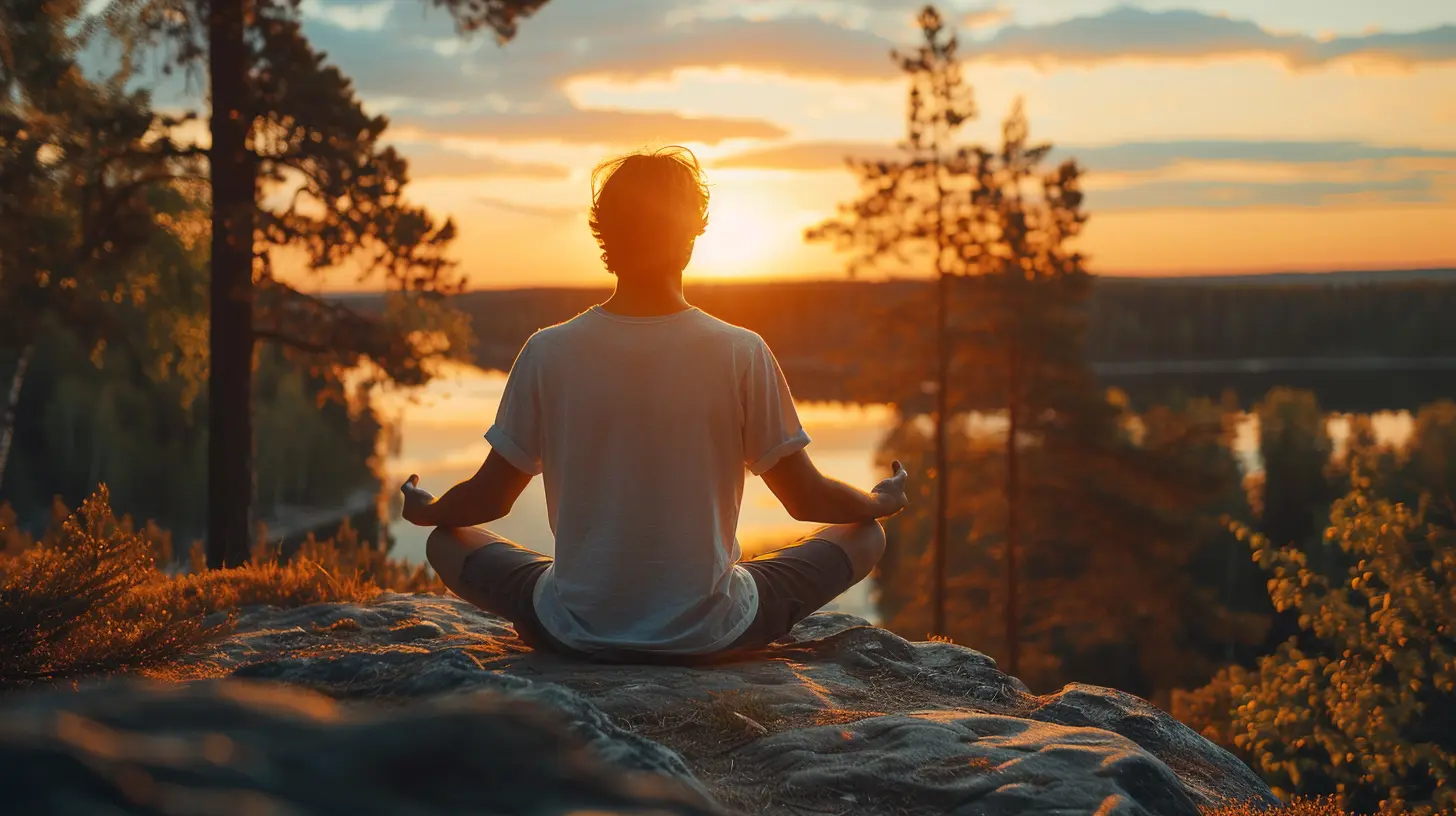
The Role of Meditation in Emotional Regulation
Now, where does meditation come into the picture?Meditation is a mental practice that involves focusing the mind on a particular object, thought, or activity to train attention and awareness. It’s often associated with relaxation, but its benefits go way beyond just calming the mind. Research has shown that regular meditation can significantly improve emotional regulation, making it easier for us to handle stressful or conflict-driven situations.
1. Meditation Enhances Self-Awareness
One of the key aspects of emotional regulation is self-awareness – the ability to recognize and understand your emotions as they arise. Meditation, especially mindfulness meditation, teaches us to pay attention to our thoughts and feelings without judgment.Think of it like this: Meditation creates a “pause button” for your mind. When you’re in a conflict and emotions start bubbling up, meditation allows you to take a step back and observe those feelings instead of being swept away by them. This heightened self-awareness gives you the opportunity to choose how you want to respond, rather than reacting impulsively.
For example, instead of letting anger take over during a disagreement, you might realize, “I’m feeling really angry right now,” and decide to take a few deep breaths before continuing the conversation. This simple act of noticing your emotions can prevent the situation from escalating.
2. Meditation Reduces Reactivity to Stress
Stress is like gasoline to the fire during conflict. The more stressed you are, the more likely you are to react in ways you might later regret. But here’s the good news: Meditation has been shown to reduce the body’s stress response.When we’re stressed, the body releases cortisol, a hormone that triggers the "fight or flight" response. While this is helpful in life-threatening situations, it’s not so great when you’re trying to have a civil discussion. Regular meditation has been shown to lower cortisol levels, helping you stay calm and collected, even during challenging conversations.
By reducing the physical symptoms of stress, such as a racing heart or shallow breathing, meditation makes it easier to stay grounded and focused, allowing you to approach the situation with a clearer head. It’s like having an internal stress buster that kicks in when things get heated.
3. Meditation Cultivates Emotional Resilience
Another way meditation boosts emotional regulation is by enhancing emotional resilience. Emotional resilience refers to our ability to bounce back from emotional challenges and maintain a positive outlook even when things get tough.Meditation, particularly mindfulness-based practices, helps us develop a greater tolerance for uncomfortable emotions. Instead of avoiding or suppressing feelings like anger, sadness, or frustration, meditation encourages us to sit with them and observe them without being overwhelmed.
This practice of “sitting with discomfort” builds emotional resilience over time, making it easier to handle intense emotions in conflict situations. When you’ve practiced observing your emotions without reacting, you’re less likely to be thrown off by them in the heat of the moment.
4. Meditation Improves Focus and Clarity
Have you ever been in a heated argument and found it hard to think clearly? Your mind might be racing, and you struggle to find the right words. That’s where meditation comes in handy.Meditation trains your brain to focus. By practicing meditation regularly, you improve your ability to concentrate, even in stressful or emotional situations. This enhanced focus allows you to think more clearly and communicate more effectively during conflicts.
Instead of getting lost in a whirlwind of thoughts and emotions, you’ll be able to stay present and engaged in the conversation. This clarity of mind can make a significant difference in how conflicts unfold, helping you stay centered and focused on finding solutions rather than getting tangled up in the emotional chaos.
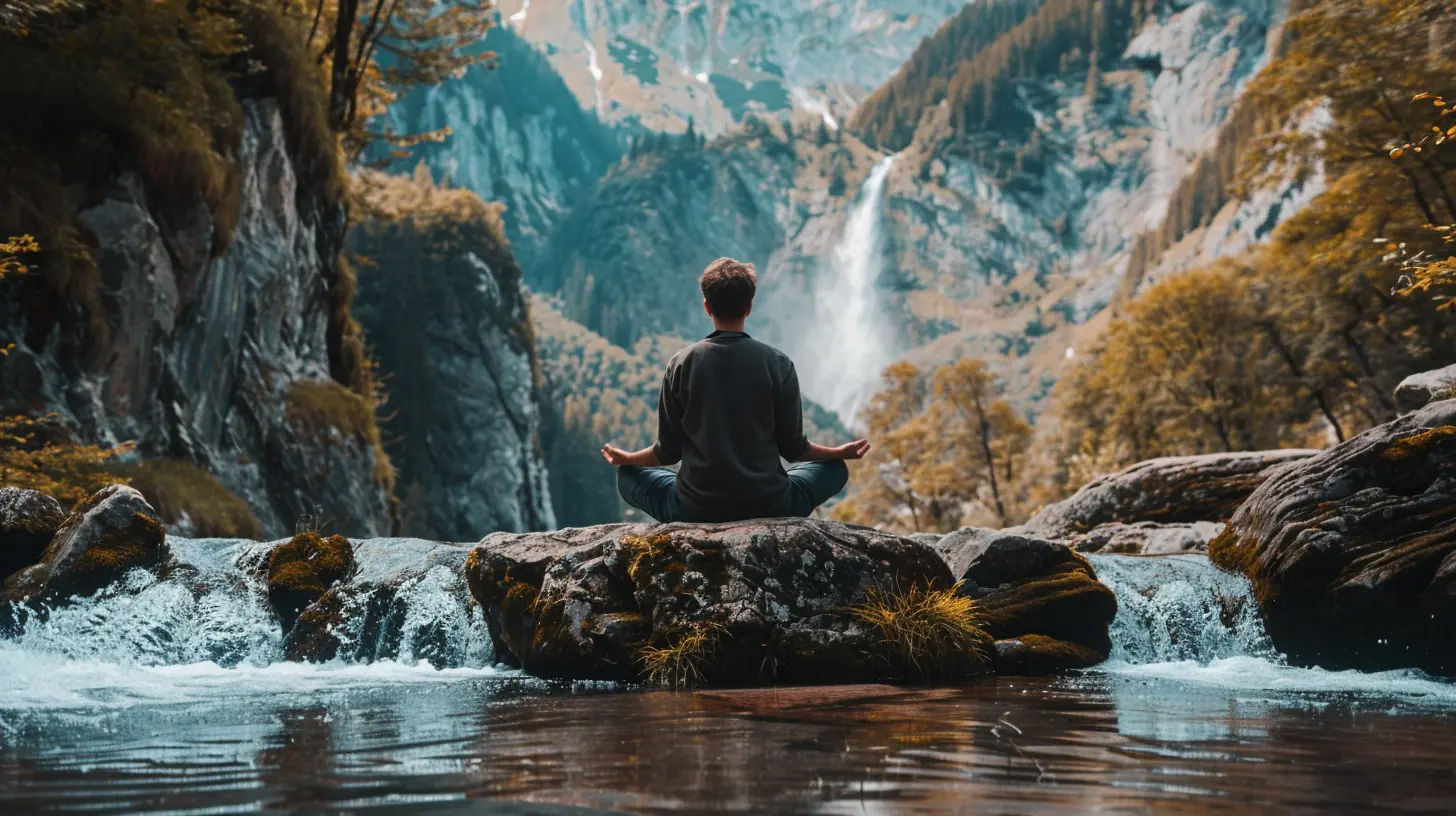
Types of Meditation That Help with Emotional Regulation
Not all meditation practices are created equal, and some are particularly effective when it comes to emotional regulation. Here are a few types of meditation that can specifically help boost your ability to manage emotions in conflict situations:1. Mindfulness Meditation
Mindfulness meditation is perhaps the most well-known form of meditation, and it’s particularly effective for emotional regulation. The practice involves bringing your attention to the present moment, typically by focusing on your breath, sensations, or thoughts.By regularly practicing mindfulness meditation, you become more aware of your emotional states as they arise, allowing you to catch yourself before reacting impulsively. It helps you develop that “pause button” we talked about earlier, giving you the space to choose a more thoughtful response.
2. Loving-Kindness Meditation (Metta)
Loving-kindness meditation, or Metta meditation, involves directing feelings of compassion and love towards yourself and others. This practice is especially useful in conflict situations because it helps foster empathy and understanding.When you practice loving-kindness meditation, you’re training yourself to approach others with kindness and compassion, even when they’ve upset you. This can be a game-changer in conflicts, as it encourages you to soften your response and approach the situation with a more open heart.
3. Body Scan Meditation
Body scan meditation involves bringing attention to different parts of your body, noticing any sensations, tension, or discomfort. This practice can help you become more attuned to the physical manifestations of your emotions.By regularly practicing body scan meditation, you’ll become more aware of how your body reacts to stress or anger, such as tightness in your chest or a clenched jaw. This awareness can be incredibly helpful during conflicts, as it gives you an early warning sign that you’re getting worked up, allowing you to take steps to calm yourself before the situation escalates.

Practical Tips for Using Meditation During Conflict
Now that we’ve covered the benefits of meditation for emotional regulation, you might be wondering how to apply these practices during actual conflict situations. Here are a few practical tips to help you bring the benefits of meditation into your daily life:1. Take a Mindful Pause
When you feel emotions rising during a conflict, take a moment to pause. You don’t need to sit down and meditate for 20 minutes – simply take a few deep breaths and bring your attention to the present moment. This mindful pause can help prevent you from reacting impulsively and give you the space to choose a more thoughtful response.2. Practice Regular Meditation
The benefits of meditation for emotional regulation are cumulative, meaning the more you practice, the better you’ll get at managing your emotions. Try to incorporate a regular meditation practice into your daily routine, even if it’s just for a few minutes each day. Over time, you’ll notice improvements in your ability to stay calm and centered, even during conflicts.3. Use Loving-Kindness in Tough Moments
When you’re in a conflict, it can be easy to feel anger or frustration towards the other person. Instead, try practicing loving-kindness meditation in the moment. Silently wish the person well, even if you’re upset with them. This simple act can help soften your heart and reduce feelings of hostility, making it easier to resolve the conflict peacefully.Conclusion
Conflict is a natural part of life, but how we handle it makes all the difference. Meditation offers a powerful tool for improving emotional regulation, helping us navigate conflict situations with greater calm, clarity, and compassion. By enhancing self-awareness, reducing stress, building emotional resilience, and improving focus, meditation can transform the way we respond to challenging emotions.So, the next time you find yourself in the middle of a heated argument, take a deep breath, tap into your meditation practice, and see how it changes the game. You might be surprised at how much easier it is to stay cool, collected, and in control.
all images in this post were generated using AI tools
Category:
MeditationAuthor:

Ember Forbes
Discussion
rate this article
1 comments
Melanie McKale
Mindful moments lead to calm strength.
June 3, 2026 at 4:23 PM
Ember Forbes
Absolutely, those mindful moments can be powerful. They ground us and help us respond rather than react in tough situations.