How Art and Creativity Can Aid in Coping with Stress
3 May 2026
Life’s hectic, isn’t it? Deadlines pile up, texts go unanswered, bills show up like clockwork, and sometimes, it all just feels... a little too much. We all face stress—it’s part of the human experience. But what if I told you that picking up a paintbrush, strumming a guitar, or even doodling on the edge of your notebook could actually help soothe that mental chaos? Yep, we're diving deep into how art and creativity can aid in coping with stress—and spoiler alert: it’s more powerful than you might think.
Let’s get into the why, the how, and even the science behind it.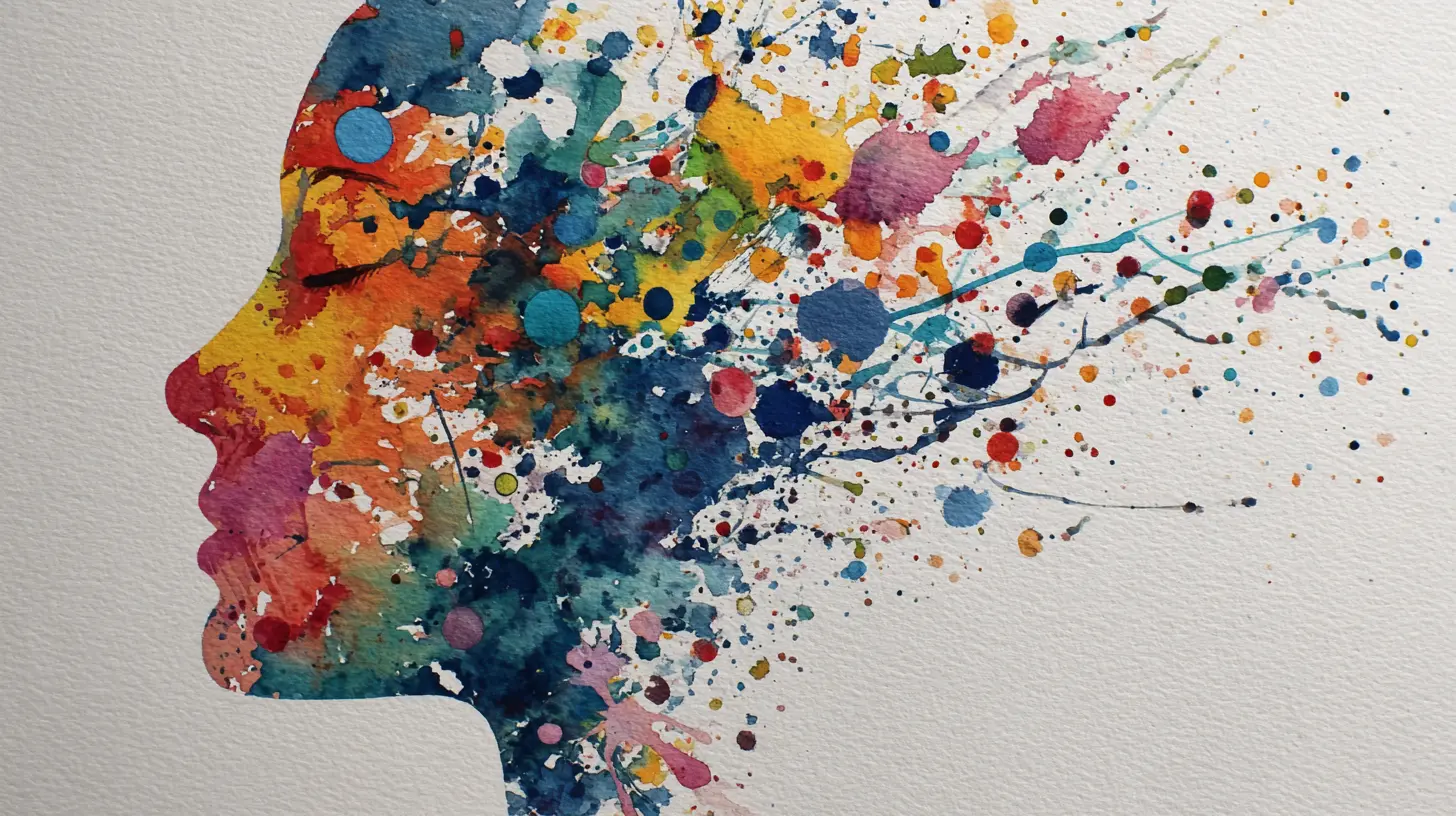
Why Stress Feels Like a Storm
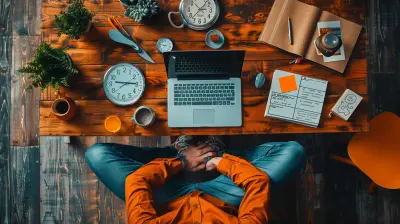
Before we explore the remedy, let's understand the problem. Stress isn't just a feeling; it's a full-body reaction. Your heart races, your muscles tense up, your thoughts become a jumbled mess. Ever felt like your brain’s tabs are all open at once, and none of them are responding? That’s stress talking.In small doses, stress can be useful—it gives us the push we need to finish tasks or get out of danger. But when it sticks around too long? That’s when things start to break down—mentally, emotionally, even physically.
So, how do we calm the storm?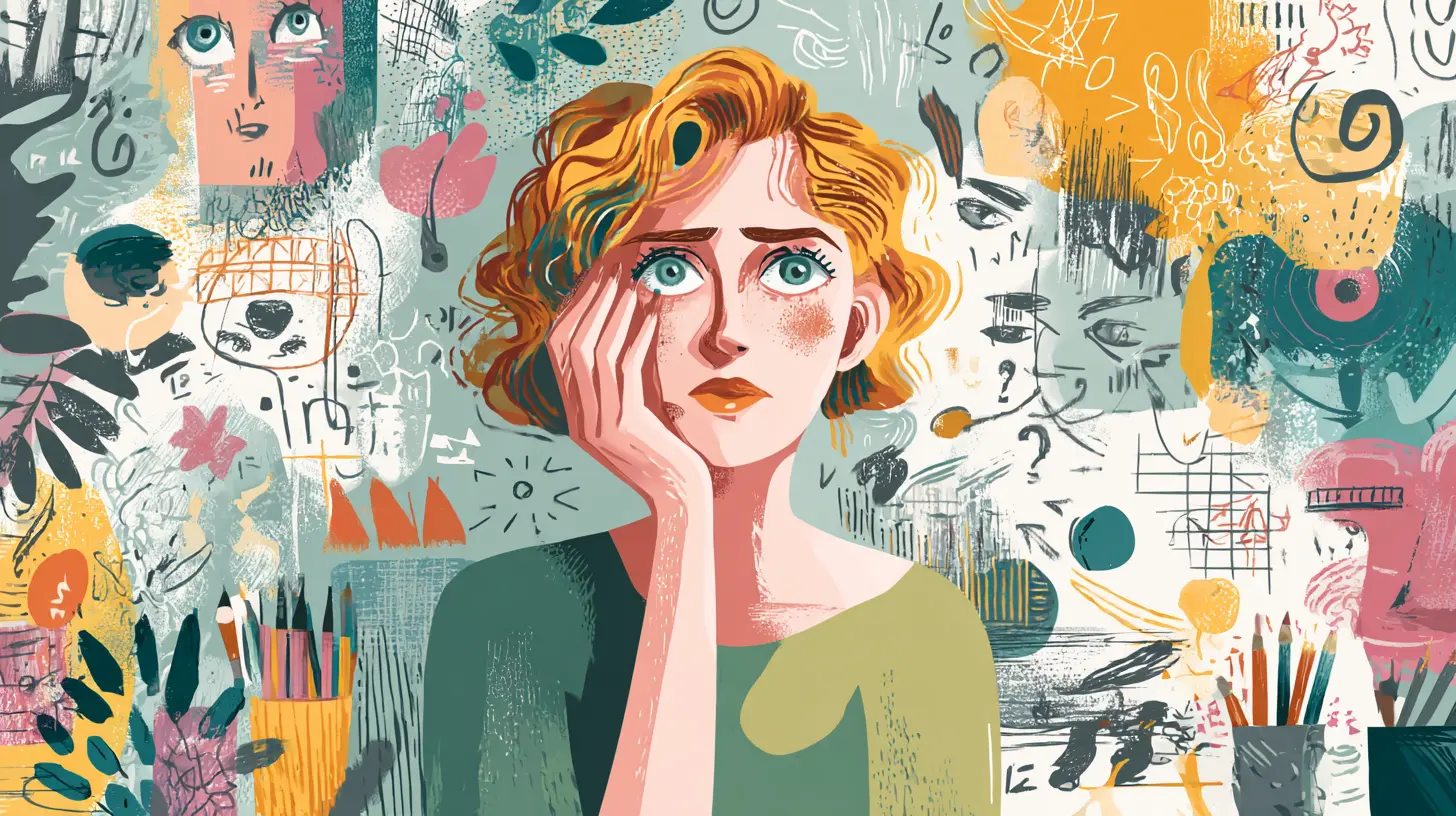
The Healing Power of Creativity
Let’s shift gears a bit. Think about the last time you painted something, wrote a story, or sang in the shower. Remember that sense of flow? That state where time disappears? That’s not just a feel-good moment. That's the creative process working its magic on your nervous system.Art isn’t just about talent. It’s about expression. When you're creating, you're not just making something pretty—you’re having a silent (or very loud!) conversation with your deeper self.
Here’s the real kicker: studies show that engaging in creative activities can literally reduce cortisol levels (yep, that’s the stress hormone). It’s like telling your brain, “Hey buddy, let’s slow things down.”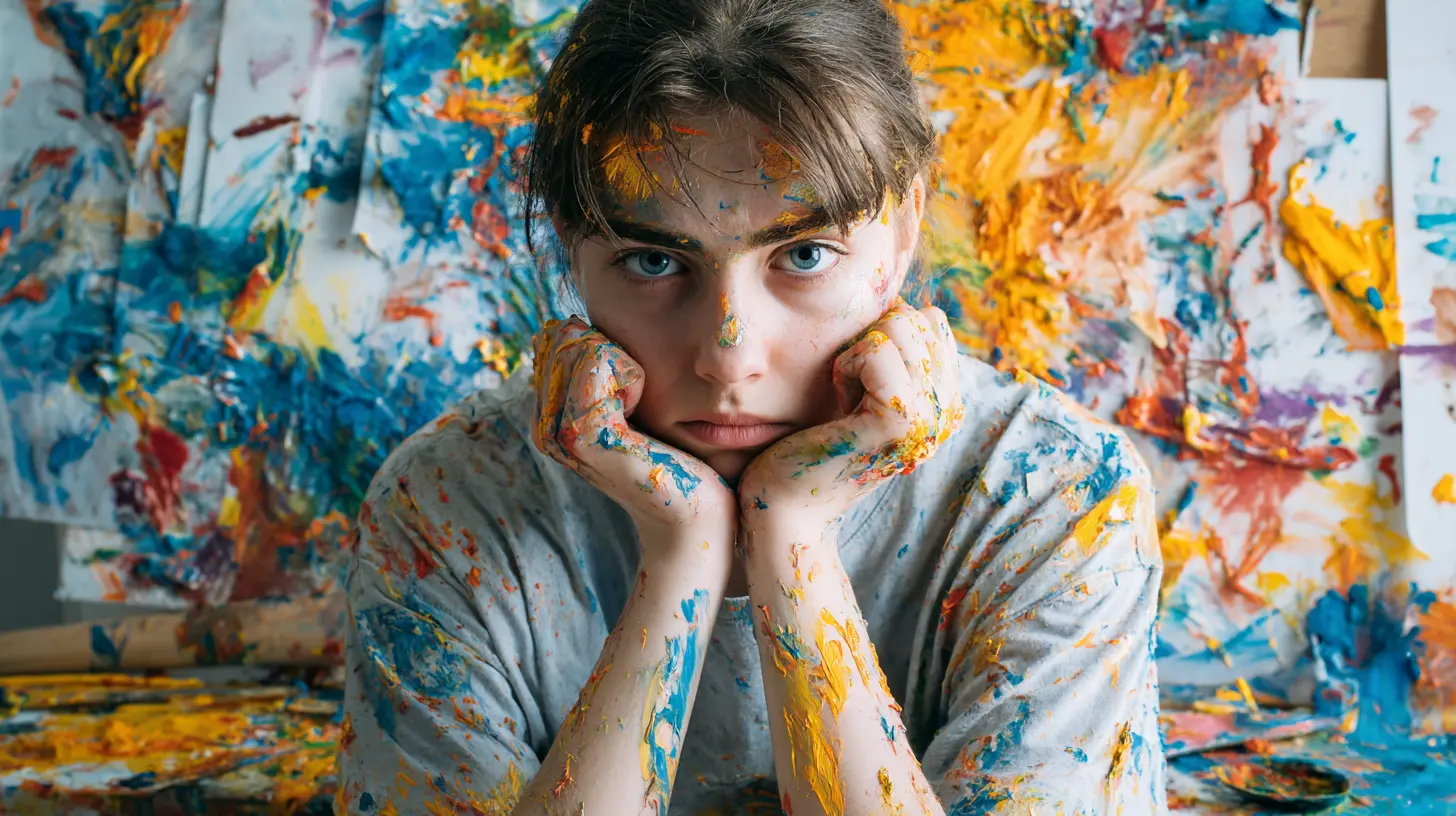
Different Forms of Art for Every Stress Style
The best part? There’s no one-size-fits-all. Whether you’re an overthinker tangled in your thoughts or someone who bottles emotions until they explode—there’s a creative outlet for you.1. Visual Arts: When Words Aren’t Enough
Painting, drawing, collage, sculpting—these are perfect if you’re not a fan of words. Sometimes our feelings are too tangled to put into sentences. That’s where a splash of color or an abstract shape comes in.Even coloring books (yes, adult ones too) have been linked to reduced anxiety. It’s like meditating with pencils.
Tip: Try expressive painting. Don’t worry about the final product. Just throw color on the canvas. Let your mood control the brush.
2. Writing: From Chaos to Clarity
If you’re someone who overthinks, journaling might become your new best friend. Getting your thoughts out of your head and onto paper can feel like unclogging a drain.Poetry, short stories, or stream-of-consciousness writing can help you name your feelings—which, believe it or not, reduces their intensity.
Quick trick: Set a timer for 10 minutes and just write. Don’t stop. Don’t edit. Just dump your thoughts. Trust me, it's like defragmenting your brain.
3. Music: Feel It to Heal It
Ever blasted your favorite song after a rough day? That’s not random—that’s your brain self-soothing. Music activates emotional centers in the brain; it resonates with parts of us that logic can’t reach.Playing an instrument or composing songs gives you an even deeper connection. It’s like giving your soul a microphone.
Fun idea: Create a “mood playlist” for each type of stress—tired, angry, anxious. Then press play and let your feelings ride the rhythm.
4. Dance and Movement: Shake the Stress Off
Your body holds onto stress. So moving—whether it's structured dancing or just flailing around in your living room—can release that pent-up tension.Dance therapy is a real thing, and it works wonders for both mental and physical well-being. It reconnects you with your body and helps you process emotions nonverbally.
Try this: Put on your favorite track, close your eyes, and move however you want. No judgment, just movement.
5. Crafts & DIY Projects: Zen Through Hands-On Creation
Ever lost track of time while knitting, building Lego sets, or making origami? These activities ground you in the present moment. Plus, there's something incredibly satisfying about creating something tangible with your hands.Crafts combine focus with creativity, making them perfect for people who need structure with their self-expression.
The Science Behind Art and Stress Relief
So, this isn’t just woo-woo stuff. There’s actual neuroscience backing it up.When you're engaged in a creative activity, your brain enters what's known as a "flow state." This is when you’re fully immersed, and your prefrontal cortex (the part of your brain that worries) takes a back seat.
On top of that, dopamine—a feel-good neurotransmitter—is released during creative engagement. It’s the same chemical boost you get from listening to music or achieving a goal.
Art-making also aligns with mindfulness practices. It anchors you in the now, pulling you out of the whirlwind of “what-ifs” and “should-haves.”
Creative Expression in Therapy: The Rise of Art Therapy
Art therapy is becoming a legit, respected form of psychotherapy. It’s not just crayons and pipe cleaners—it’s a structured way to help individuals process trauma, manage anxiety, and cope with chronic stress.Trained art therapists guide people through creative activities tailored to their unique experiences. It’s especially powerful for those who have trouble putting their trauma or anxiety into words.
Art therapy is widely used in schools, hospitals, and mental health clinics to support emotional regulation and mental clarity.
You Don’t Have to Be “Good” at It
Here’s something that needs to be yelled from the rooftops: You do NOT have to be an artist to benefit from art. This isn’t about being Picasso. It's about the process, not the product.So many people say, “Oh, I can’t even draw a stick figure!” Cool. Who cares? You’re not submitting your doodles to an art gallery—you’re expressing your truth. And that’s beautiful all on its own.
Bringing Creativity Into Your Everyday Life
Still with me? Awesome. Let’s talk about how to sneak creative stress relief into your daily grind.- Start small. Keep a sketchpad, a journal, or some modeling clay nearby. Use it during TV commercials or while waiting for your coffee to brew.
- Set the mood. Light a candle, play some mellow music, and give yourself permission to make a beautiful mess.
- Create a “worry art” ritual. When you're stressed, sit down and turn that energy into art. Draw your anxiety. Scribble your nervousness. Watch it take form, then let it go.
The Takeaway: Creativity Isn’t a Luxury—It’s a Necessity
Here’s the truth: coping with stress doesn’t always require expensive retreats or therapy sessions (though those help too!). Sometimes, healing is as close as your kitchen table, your instrument case, or your old box of crayons.Art gives us a way to process, release, and grow. It bypasses the chaos in our heads and connects us to something more grounded—our imagination, our inner child, our quiet strength.
So next time you’re feeling overwhelmed, don’t push those feelings away. Pick up something creative and let them out. Paint them, write them, sing them, move through them.
Because in the end, creativity isn’t just self-expression—it’s self-preservation.
all images in this post were generated using AI tools
Category:
Coping MechanismsAuthor:

Ember Forbes
Discussion
rate this article
1 comments
Barbara Hughes
Art truly offers a powerful way to release stress and express emotions.
May 24, 2026 at 3:22 AM
Ember Forbes
Absolutely, art can be a transformative outlet for emotions, providing relief and clarity in challenging times.