Future Therapists May Prescribe Nature Walks Instead of Pills
15 October 2026
The image of a therapist's office is familiar. A quiet room. A box of tissues. Two chairs facing each other. That image is not wrong, but it is incomplete. A growing number of clinicians are experimenting with a different setting: a park trail, a community garden, a stretch of coastline, or simply a tree-lined street. The idea is not that walking replaces therapy. The idea is that the environment itself can become part of the treatment.
This shift is often described as nature-based therapy, ecotherapy, or green prescribing. It sits at the intersection of clinical psychology, public health, and environmental design. The phrase "instead of pills" is provocative, and it deserves scrutiny. Nature walks will not replace antipsychotics, lithium, or antibiotics. But for a specific and surprisingly large group of people, they may replace or reduce the need for certain medications, particularly those prescribed for mild to moderate anxiety, low mood, and stress-related conditions. Understanding who benefits, who does not, and why is the real work.
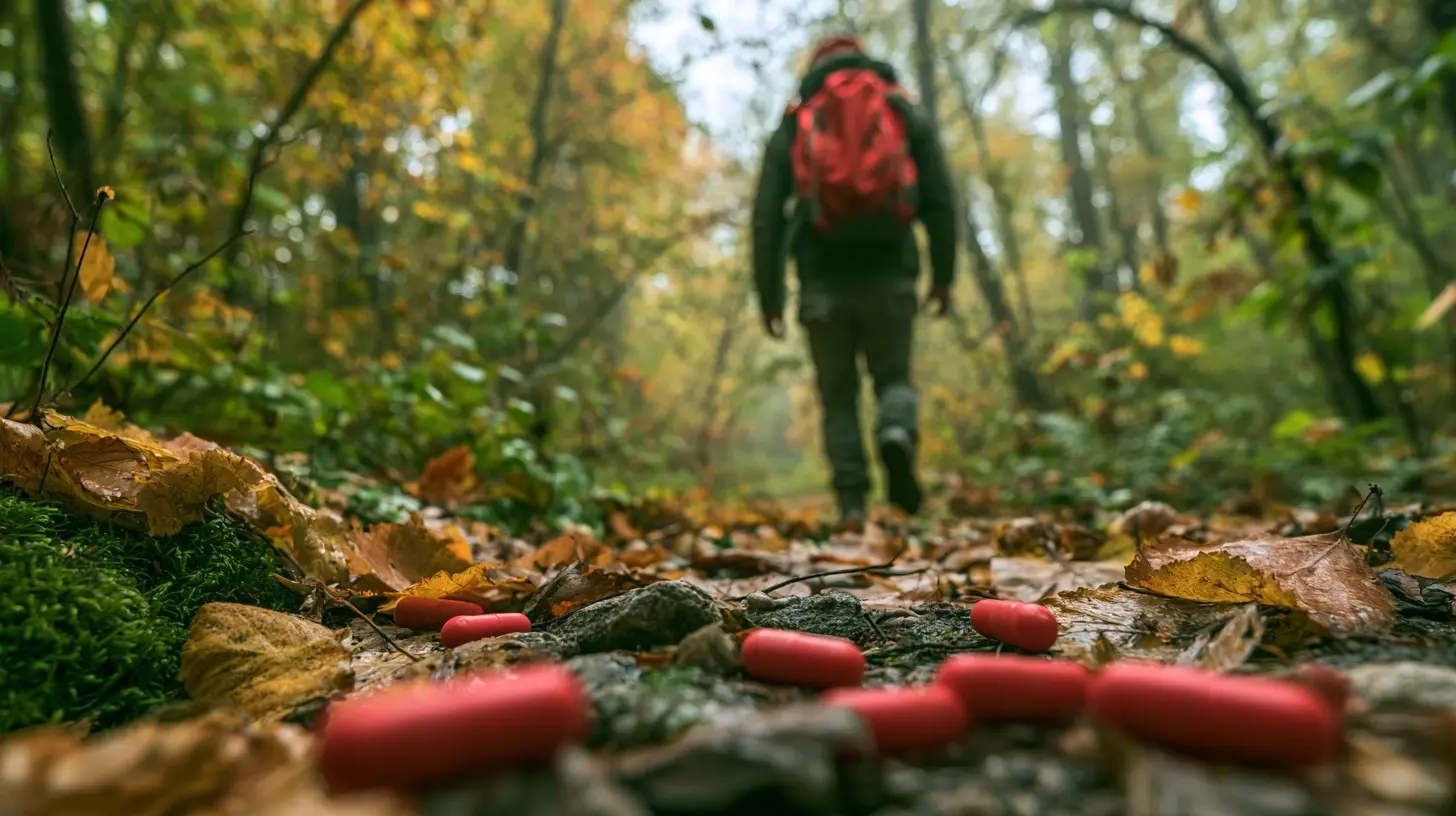
What Nature-Based Therapy Actually Is
Nature-based therapy is not one thing. It is a family of practices with different levels of clinical structure.At the simplest end, a clinician might suggest a patient take a 20-minute walk in a local park three times a week. At the more structured end, a trained therapist might conduct a full course of cognitive behavioral therapy outdoors, using the natural setting as a co-therapist. Between those poles sit horticultural therapy, adventure therapy, wilderness therapy, forest bathing, and care farming.
The distinction matters because the evidence base differs across these categories. A casual walk is not the same intervention as a supervised, protocol-driven outdoor program. When people cite "nature therapy" as if it were a single treatment, they blur important differences.
The Core Mechanisms
Why would walking among trees change how someone feels? Several plausible mechanisms have been proposed, and they overlap.The first is attention restoration. Natural environments tend to engage what researchers call soft fascination. Leaves moving in wind, birdsong, and the play of light do not demand hard focus. This gives the brain's directed attention system a chance to recover. For someone who spends hours on screens, in traffic, or in meetings, that recovery is not trivial.
The second is physiological. Time in green space is associated with lower cortisol, reduced heart rate, and lower blood pressure in many studies. The effect is modest but consistent. Part of it comes from movement itself. Part comes from the environment. Teasing apart the two is methodologically hard, and honest researchers admit this.
The third is psychological. Being in nature often provides a sense of perspective. Problems that feel overwhelming in a small room can feel more manageable under a wide sky. This is not mystical. It is partly about context and partly about the way awe and scale shift our internal reference points.
The fourth is social. Walking with a therapist, a group, or a companion changes the dynamic. Side-by-side conversation is often easier than face-to-face conversation, especially for adolescents and men, who may find direct eye contact uncomfortable.
Where the Evidence Is Strong and Where It Is Thin
It is important to be precise here, because overclaiming damages credibility.The strongest evidence supports nature contact for stress reduction, mood improvement, and attention restoration in non-clinical and subclinical populations. Meta-analyses of walking in green space generally find small to moderate effects on anxiety and depressive symptoms. These are real effects, but they are not dramatic.
The evidence for nature-based interventions as a primary treatment for major depressive disorder, bipolar disorder, schizophrenia, or severe PTSD is much thinner. Some structured programs show promise, particularly for veterans and at-risk youth, but the studies are often small, and blinding is nearly impossible. You cannot hide from a participant whether they are walking in a forest or sitting in a clinic.
This does not mean nature is useless for severe conditions. It means the claim should be calibrated. A nature walk might be an adjunct, a maintenance strategy, or a way to build routine and physical activity. It is rarely a standalone cure.
The Problem With "Instead of Pills"
The headline framing is catchy, and it captures a real cultural frustration. Many people feel overmedicated. Many clinicians share that concern. But the phrase can mislead in three ways.First, it implies a binary. In practice, the most effective approaches are usually combined. Medication plus behavioral activation plus nature exposure often outperforms any single element.
Second, it ignores severity. For someone in acute psychosis or severe suicidality, a walk in the park is not the first intervention. Safety and stabilization come first.
Third, it can set up patients for shame. If a nature walk does not fix their depression, they may conclude they failed. That is a harmful outcome.
A better framing is this: nature-based interventions expand the menu. They give clinicians and patients more options, and in some cases, they reduce reliance on medication. Reduction is not the same as replacement.
Who Tends to Benefit Most
Not everyone responds to nature the same way. Based on clinical observation and the available literature, several groups seem to benefit disproportionately.People with mild to moderate depression often respond well, especially when the walking is regular and combined with behavioral activation principles. The structure matters more than the scenery.
People with generalized anxiety and rumination-prone thinking may benefit from the attention restoration effect. A walk that requires mild navigation, like following a trail, can interrupt repetitive thought loops.
Adolescents and young adults often engage more readily in outdoor sessions than in office-based ones. The setting reduces the stigma of "going to therapy."
Men, particularly middle-aged men, sometimes find walking sessions more tolerable than sitting in a room discussing feelings.
People in recovery from burnout or chronic stress often find nature-based routines sustainable in a way that gym workouts are not.
People with ADHD may benefit from movement and from the reduced distraction of a natural setting, though the evidence is mixed.
Who May Not Benefit, or May Be Harmed
Nature is not universally safe or helpful.People with severe agoraphobia, paranoia, or trauma triggers related to outdoor settings may find nature walks distressing. A wooded trail can feel isolating rather than calming.
People with physical limitations, chronic pain, or mobility issues may need adapted options. A paved path, a garden, or a seated outdoor session can work. Insisting on hiking is ableist.
People in acute crisis need containment, not exposure. A walk can be part of stabilization later, not during the acute phase.
People with seasonal allergies or heat sensitivity need timing and location planning.
People who live in neighborhoods with poor air quality, extreme heat, or unsafe streets may not have realistic access. Recommending nature without addressing access is a common mistake.
How a Clinician Might Actually Prescribe a Nature Walk
The word "prescribe" is doing a lot of work here. A prescription implies specificity. "Go outside more" is not a prescription. "Walk 25 minutes on Tuesday, Thursday, and Saturday at the trail near your apartment, at a pace where you can talk but not sing" is closer.A well-constructed nature prescription usually includes several elements.
Frequency and duration. Most protocols suggest 20 to 60 minutes, two to five times per week. Consistency matters more than intensity.
Location. Specific, accessible, and safe. A nearby park beats a distant wilderness area that requires a two-hour drive.
Activity. Walking is the default, but gardening, birdwatching, or sitting by water can work.
Structure. Some clinicians provide a simple script or a set of prompts. Others encourage open-ended time.
Tracking. A simple log or a phone note helps both patient and therapist see patterns.
Review. Like any intervention, it should be evaluated after a few weeks. If it is not helping, adjust or stop.
A Practical Example
Consider a 34-year-old office worker with mild depression, poor sleep, and high screen time. A clinician might suggest the following.Three mornings a week, before checking email, walk for 25 minutes in a nearby park. No podcast, no phone. Focus on what is visible, audible, and physical. After the walk, note mood on a 1 to 10 scale.
After four weeks, review. If mood scores improve on walk days, continue and possibly extend. If not, consider whether the issue is timing, location, or the underlying treatment plan.
This is not glamorous. It is also not expensive. That is part of the appeal.
Why It Works: A Deeper Look
The mechanisms deserve more than a list. Understanding them helps clinicians adapt the approach rather than applying it mechanically.Attention and Rumination
Rumination is repetitive, self-focused thinking that rarely solves anything. It thrives in low-stimulation, enclosed environments. A walk in a varied natural setting provides just enough stimulation to compete with rumination without overwhelming the person. This is a delicate balance. Too little stimulation and the mind loops. Too much and the person feels stressed.Movement and Mood
Physical activity has well-documented effects on mood, sleep, and cognition. Walking is the most accessible form of activity for most people. When you combine movement with green space, you get a compounded effect, though the exact size of the compounding is debated.Light Exposure
Morning light exposure helps regulate circadian rhythm, which in turn affects sleep, energy, and mood. For people with seasonal affective patterns, outdoor morning walks can be a meaningful intervention. This is one of the most underrated aspects of nature prescribing.Autonomy and Agency
Being outside often involves small choices. Which path? How fast? Where to stop? For people whose lives feel controlled by symptoms, work, or caregiving, these small choices restore a sense of agency. That psychological effect can be as important as any biochemical one.Social Connection
Walking with others creates low-pressure social contact. For people who are isolated, this can be a bridge back to connection. Group nature walks are a common format in social prescribing programs for exactly this reason.
Common Mistakes and Misconceptions
Several errors appear repeatedly when nature-based approaches enter clinical conversation.The first is treating nature as a replacement for evidence-based care. It is not. It is an addition or an alternative for specific, mild presentations.
The second is ignoring access. Recommending a forest walk to someone who lives in a concrete neighborhood with no safe green space is not helpful. Clinicians should ask about access before prescribing.
The third is overcomplicating. Some programs turn a simple walk into a multi-step ritual with journals, breathing protocols, and reflection prompts. For some patients, that works. For others, it becomes another task to fail at.
The fourth is underestimating weather and season. A plan that works in spring may collapse in winter. Clinicians should build in seasonal alternatives.
The fifth is assuming nature is inherently calming. For some people, especially those with trauma histories, isolated outdoor settings can feel threatening. Choice and safety matter.
The sixth is confusing correlation with causation. People who walk in nature may already be healthier. Good studies try to control for this, but the literature is imperfect.
Nature Walks Versus Medication: A Fair Comparison
It is tempting to frame this as a battle between two camps. That framing is unhelpful. A more useful comparison looks at trade-offs.Medication for moderate to severe depression and anxiety has a robust evidence base. It works faster than most behavioral interventions for acute symptom relief. It also has side effects, requires monitoring, and does not address the environmental and behavioral factors that often maintain distress.
Nature-based interventions have a smaller but growing evidence base. They have few side effects, low cost, and broad physical health benefits. They also require time, access, motivation, and consistency. They work slowly.
For mild presentations, a stepped approach often makes sense. Start with behavioral and environmental interventions, including nature exposure, sleep hygiene, and social connection. Escalate to medication if symptoms persist or worsen.
For severe presentations, medication and structured psychotherapy usually come first. Nature exposure can be added as a supportive element.
For maintenance and relapse prevention, nature-based routines are often excellent. They are sustainable, low-stigma, and health-promoting.
The Role of Prescribing Clinicians
Psychiatrists and primary care physicians are increasingly aware of social prescribing, a model in which patients are connected to non-clinical community resources. In some health systems, this includes organized walking groups, gardening programs, and outdoor activity referrals. The model is not without critics. Some argue it shifts responsibility from underfunded health systems to community organizations. Others argue it is a pragmatic response to the limits of medication.The honest position is that social prescribing works best when it is well-resourced, well-integrated, and not used as a substitute for clinical care that is genuinely needed.
How to Build a Nature Routine That Lasts
For readers who want to try this approach, whether as a patient or as a self-directed experiment, a few principles improve the odds.Start smaller than you think. Ten minutes is enough to begin. Consistency beats intensity.
Attach it to an existing habit. After morning coffee, after dropping kids at school, after lunch. Habit stacking works better than willpower.
Choose a place you actually like. A place you find pleasant is more likely to be revisited.
Remove friction. Keep shoes by the door. Know the route. Have a rain jacket ready.
Do not optimize too early. The first month is about showing up. Refinement comes later.
Track simply. A checkmark on a calendar is enough.
Expect variability. Some walks will feel transformative. Most will feel ordinary. The ordinary ones are doing the work.
When to Talk to a Professional
If low mood, anxiety, or sleep problems persist for more than a few weeks, or if they interfere with work, relationships, or basic functioning, a clinical assessment is warranted. Nature walks are not a substitute for diagnosis. They are a complement to good care.If someone has thoughts of self-harm or suicide, they need immediate professional support. No walk replaces that.
The Future of Prescribing
The idea that therapists might prescribe nature walks is not fringe. It is already happening in various forms, from park prescriptions in primary care to outdoor behavioral health programs. The trend is likely to grow for several reasons.Health systems are under pressure to find low-cost interventions. Nature-based approaches are cheap relative to many alternatives.
Patients increasingly want options beyond medication. They want interventions that fit their values and their lives.
The evidence, while imperfect, is accumulating. More rigorous trials are underway, and the field is maturing.
Urban planning and public health are converging on the idea that access to green space is a health determinant, not a luxury.
The most likely future is not a world where pills disappear. It is a world where clinicians have a broader toolkit and where the prescription pad includes both a medication and a map to the nearest trail.
Conclusion
Nature walks will not replace medication for everyone. They will not cure severe mental illness. They are not a moral alternative to pharmaceuticals, and framing them that way does a disservice to patients who need medication to function.What they can do is expand what counts as treatment. They can offer a low-cost, low-stigma, health-promoting option for people with mild to moderate symptoms. They can support recovery, maintenance, and relapse prevention. They can reconnect people to their bodies, their communities, and the places they live.
The future of therapy is unlikely to be a choice between nature and pills. It is more likely to be a thoughtful combination, prescribed with the same care, specificity, and follow-up as any other intervention. That is not a romantic vision. It is a practical one. And it is already beginning.
all images in this post were generated using AI tools
Category:
Healing TechniquesAuthor:

Ember Forbes