Freud’s Theory of Psychosexual Development: Insights and Criticism
18 April 2026
Sigmund Freud, the father of psychoanalysis, introduced one of the most controversial yet influential theories in psychology—the theory of psychosexual development. While some see it as a pioneering framework for understanding human personality, others argue it's outdated and lacks scientific credibility.
So, what exactly is Freud’s psychosexual development theory? And why does it spark so much debate among psychologists? Let’s break it down, stage by stage, and examine both its insights and criticisms. 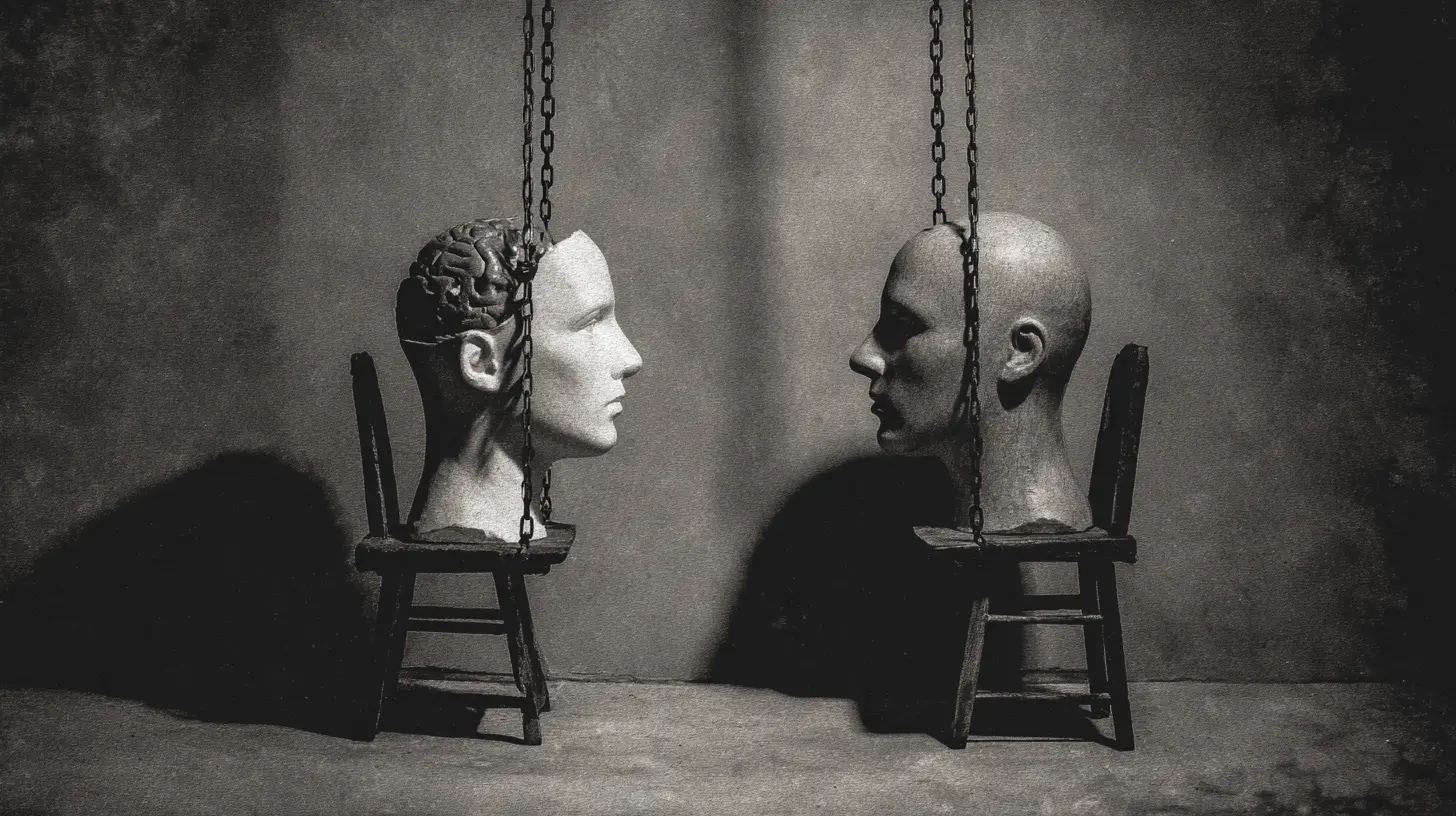
Understanding Freud’s Theory of Psychosexual Development
Freud believed that our personality develops through a series of childhood stages, each tied to a specific erogenous zone (a part of the body with heightened sensitivity). How we navigate these stages, according to Freud, influences our adult behavior and mental health.The Five Stages of Psychosexual Development
Freud proposed five stages, each with its own focus and potential conflicts. If an individual gets stuck (or "fixated") at a stage, it could shape their personality and behavior later in life.1. The Oral Stage (0-1 Years)
- Focus: Mouth (sucking, biting, and swallowing)- Key Conflict: Weaning from breastfeeding or bottle-feeding
- Potential Fixation Outcomes:
- Overindulgence → Dependency, gullibility, or nail-biting
- Deprivation → Pessimism, hostility, or oral fixations (smoking, overeating, etc.)
Babies explore the world through their mouths, and Freud argued that how this stage is handled affects whether we become overly dependent or self-sufficient.
2. The Anal Stage (1-3 Years)
- Focus: Bowel and bladder control (toilet training)- Key Conflict: Control and independence
- Potential Fixation Outcomes:
- Too strict → Anal-retentive traits (perfectionism, obsessiveness)
- Too lenient → Anal-expulsive traits (messiness, disorganization)
Ever heard someone called "anal" about cleanliness? Freud’s theory suggests that a strict or lax approach to toilet training might be the reason!
3. The Phallic Stage (3-6 Years)
- Focus: Genital area (child identifies with the same-sex parent)- Key Conflict: The Oedipus Complex (for boys) and Electra Complex (for girls)
- Potential Fixation Outcomes:
- Unresolved conflicts → Problems in relationships, ego issues, or sexual dysfunction
Freud believed boys develop unconscious desires for their mothers and see their fathers as rivals (Oedipus Complex), while girls experience "penis envy" (Electra Complex). These ideas have been heavily criticized, but Freud argued they play a role in gender identity development.
4. The Latency Stage (6-12 Years)
- Focus: Social and intellectual pursuits- Key Conflict: Developing friendships, hobbies, and academic skills
- Fixation Outcomes: No significant fixations (sexual impulses remain dormant)
This stage is all about learning, making friends, and building self-confidence. Freud suggested that unresolved conflicts in earlier stages could resurface later in life.
5. The Genital Stage (12+ Years)
- Focus: Mature sexual interests and relationships- Key Conflict: Establishing healthy romantic relationships
- Potential Fixation Outcomes:
- Difficulty forming intimate relationships due to past conflicts
Freud argued that successful navigation through earlier stages leads to a well-balanced personality. But if issues were left unresolved, they could affect adult relationships. 
Insights from Freud’s Theory
1. Early Childhood Shapes Personality
One of Freud’s most lasting contributions is the idea that our early experiences shape who we become. While modern psychology has moved beyond strict "stages," many therapists still believe unresolved childhood conflicts can impact adult behaviors.2. The Role of the Unconscious Mind
Freud highlighted the power of unconscious desires and fears. Today, concepts like "implicit bias" and "subconscious motivations" echo his ideas. Even though we don't accept all of Freud’s claims, the idea that hidden forces shape our behavior remains relevant.3. Personality Development is a Process
Freud’s theory suggests that personality isn’t something we're born with—it evolves over time. This challenges the notion that nature alone determines who we become, emphasizing the role of upbringing and experiences.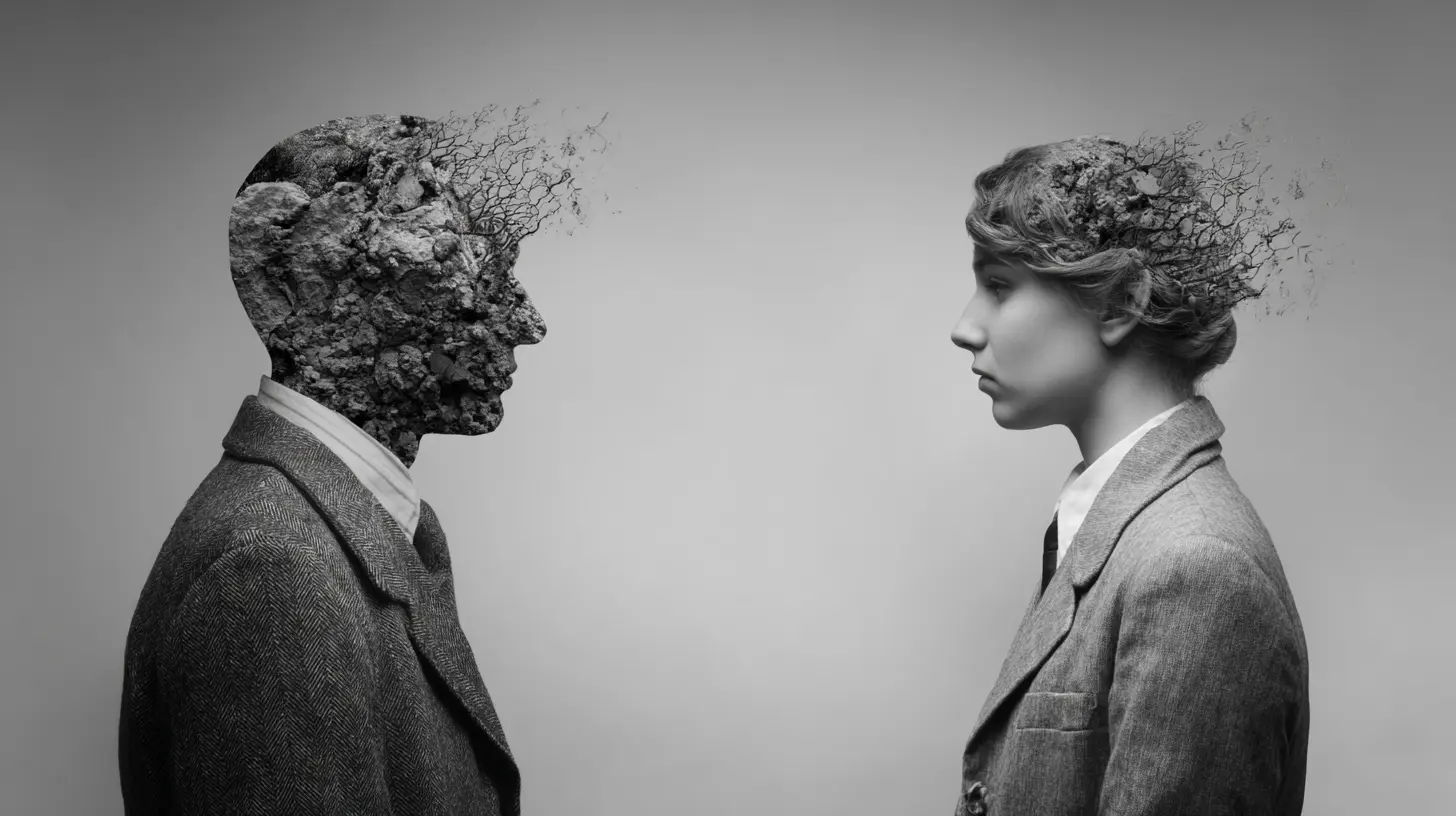
Criticism of Freud’s Theory
1. Lack of Scientific Evidence
One major criticism is that Freud’s theory is difficult to test scientifically. Unlike modern psychology, which relies on experiments and data, Freud’s ideas were largely based on personal observations and case studies. This makes it hard to validate his claims.2. Overemphasis on Sexuality
Freud’s obsession with sexuality as the driving force behind personality development has been widely criticized. Today, psychologists recognize many other factors—such as genetics, environment, and social influences—that contribute to personality development.3. Gender Bias and Outdated Views
Freud’s ideas, particularly the Oedipus and Electra Complexes, are seen as sexist and outdated. The notion that girls experience "penis envy" has been dismissed, and many argue that Freud’s theories mostly reflect cultural beliefs of his time rather than universal truths.4. Too Deterministic
Freud suggested that if someone experiences issues in early childhood, they are doomed to struggle later in life. This deterministic view ignores human resilience and the capacity for personal growth beyond childhood experiences.
Is Freud’s Theory Still Relevant Today?
Despite its flaws, Freud’s psychosexual development theory remains a foundational concept in psychology. Many of his ideas have been reinterpreted, expanded, or refuted, but his influence is undeniable. Concepts like childhood trauma, unconscious desires, and defense mechanisms continue to shape therapy and psychoanalysis today.In modern psychology, Freud’s work is often viewed as the starting point rather than the final word on personality development. While we don’t take his theories at face value anymore, they paved the way for new research in childhood development, mental health, and human behavior.
Final Thoughts
So, should we completely dismiss Freud’s psychosexual development theory? Not necessarily. While it's outdated in many ways, it sparked conversations that pushed psychology forward.Freud was a trailblazer, and his theory—controversial as it may be—remains a key part of psychology’s history. Whether you agree with him or not, one thing is clear: his ideas continue to provoke thought and inspire debate. And that, in itself, is a testament to their lasting impact.
all images in this post were generated using AI tools
Category:
PsychoanalysisAuthor:

Ember Forbes
Discussion
rate this article
1 comments
Sydney McKinley
Freud's psychosexual development theory provides essential insights into human behavior, yet faces criticism for its limited empirical support and perceived sexism in its concepts.
April 27, 2026 at 3:50 AM
Ember Forbes
Your comment highlights key points about Freud's theory. It's interesting how his ideas continue to spark debate, blending insights with valid criticisms.