Cultivating Gratitude Through Meditation: A Daily Practice
21 March 2026
Let’s be real—how often do you actually stop to be thankful for the good stuff in your life? Like, really thankful. I’m not talking about the polite “thanks” you mumble when someone holds the door open (though, hey, manners matter). I mean full-on, heart-swelling, “dang, life’s actually kinda great sometimes” type of gratitude. If your answer is “not often,” don’t worry; you’re in excellent company. But here’s the kicker—there’s a weird little trick that can change all that: meditation.
Yeah, I know. Meditation. The thing you keep saying you’ll do but never actually get around to because sitting still feels like a cruel joke. But hear me out. Pairing meditation with gratitude? That’s a daily power move your mental health will actually thank you for (pun obviously intended).
So grab your yoga pants (or not), find a cozy corner, and let’s dive into the snarky, sincere, and surprisingly simple art of cultivating gratitude through meditation.
Why Gratitude? Isn’t That Just for Instagram Quotes?
Before we get all lotus-posey, let’s talk about gratitude. It’s become the spiritual kale of the decade—a little bland on its own, but strangely transformative when served right. Gratitude isn’t just about pretending everything is sunshine and daisies while the world burns. (Please don’t do that.) Real gratitude is like saying, “Hey, life might be a hot mess, but there are still some cupcakes in the chaos.”Scientific studies (yes, real ones with footnotes and everything) show that being consistently grateful can:
- Lower stress
- Boost happiness
- Improve sleep
- Make you less of a grump
- Possibly turn you into a magical unicorn (Okay, maybe not that last one)
Combine all that with meditation—aka mental gym for your overworked brain—and what do you get? A daily practice that slaps.
Meditation: More Than Just Sitting and Breathing (But Yes, That Too)
When people think “meditation,” they usually imagine some robe-wearing monk levitating in the Himalayas. Relax. You don’t need incense, gongs, or a spiritual guru named Moonbeam. Meditation is basically focusing your attention, intentionally, and seeing what happens.Mix in gratitude, and it becomes a targeted mental exercise where you choose to focus on the good stuff. Think of it like brainweight training. Only instead of curls and crunches, you’re flexing your appreciation muscles. That’s right—gratitude gains, baby.
How Gratitude Meditation Works (Without Frying Your Brain)
Let me demystify this: Gratitude meditation is basically a combo platter of mindfulness and thankfulness. You sit (or stand or lie down or contort yourself into a pretzel—no judgment), you breathe, and you focus on the things you’re grateful for.Not just the big things like “my job” or “my health” (though those are great, obviously). We’re also talking about the little joys: the smell of coffee in the morning, a text from your best friend, that one coworker who always refills the printer. Appreciation is everywhere, if you’re paying attention.
Here’s how a basic gratitude meditation might go:
1. Get comfy. Sit or lie down. No need to look spiritual; just avoid passing out.
2. Close your eyes. Unless you’re driving. Then please don’t.
3. Breathe. Slowly. Deeply. Like you’re not in a rush for once.
4. Think of something you're grateful for. Could be anything.
5. Sit with that feeling. Let the gratitude marinate a bit.
6. Return when your brain inevitably wanders. No shame. Just bring it back.
7. Repeat. And maybe smile a little, even if it’s awkward.
That’s it. No enlightenment required. Just you, your brain, and a vibe check with gratitude.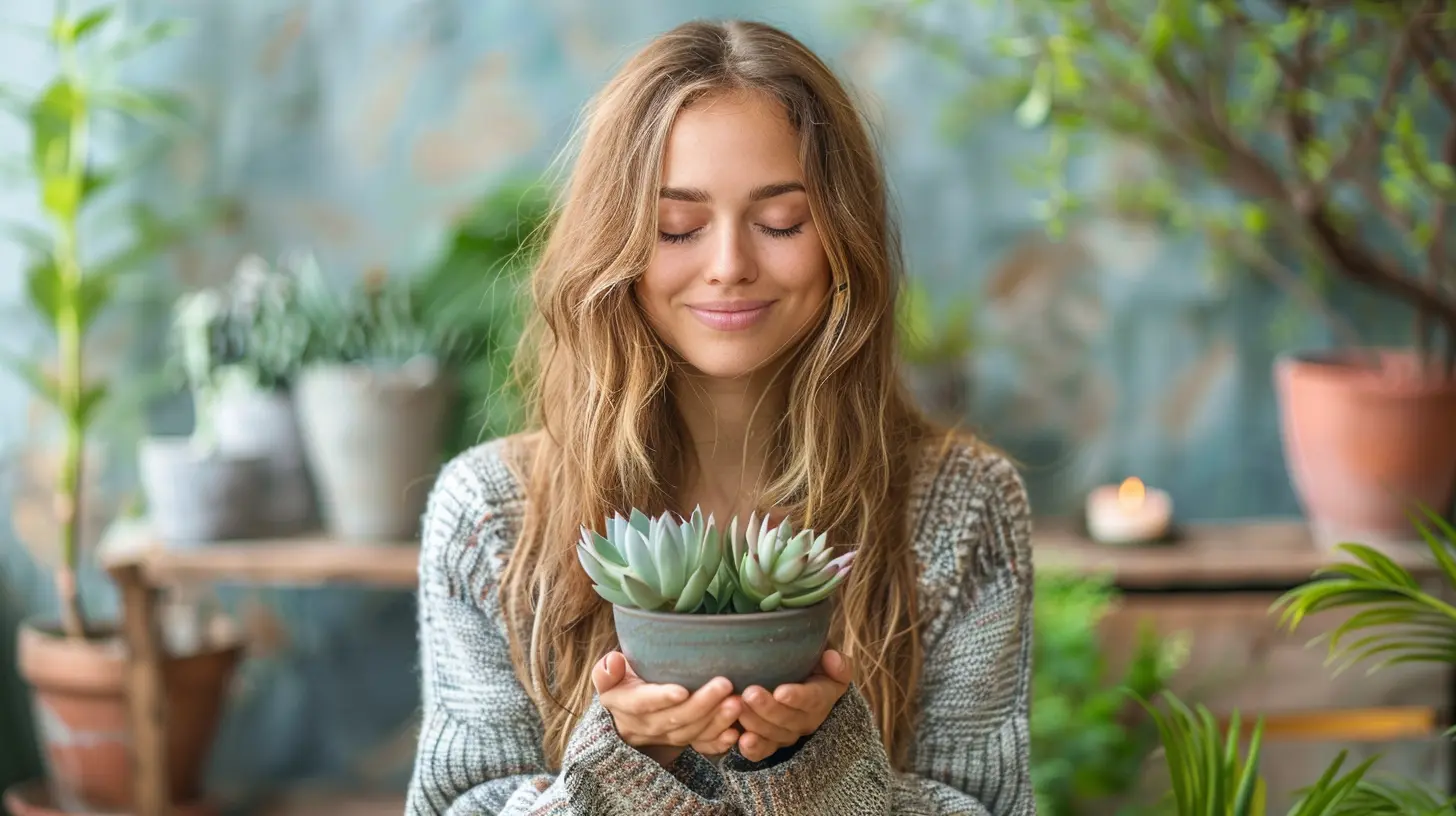
The Awkward Beauty of a Daily Practice
“Daily?” you ask, choking on your third coffee of the morning. Yes, daily. I know, committing to anything every day sounds mildly terrifying. But here’s the trick: don’t overthink it. Do you brush your teeth every day? Hopefully. Do you scroll through your phone every day? Absolutely. So why not spend five minutes doing something that actually makes your day better?Even if you start small—like thinking of one thing you’re grateful for while brushing your teeth—you’re already rewiring your brain. That’s the beauty of neuroplasticity (fancy word for “your brain changes based on what you do”). Gratitude meditation doesn’t have to be a full-blown ritual with candles and chanting. Make it YOURS.
And if you miss a day? Well, congratulations—you’re human. Just pick it up the next day like the champ you are. No guilt trips here.
But Wait… Isn’t This All Just Toxic Positivity in a Pretty Wrap?
So glad you asked. HUGE difference.Toxic positivity is pretending everything’s fine when it's very much not. Like putting a smiley face band-aid on a gaping emotional wound. Gratitude, on the other hand, is about acknowledging the good without denying the bad. It says, yeah, things are rough, but that doesn’t mean I can’t find something worth appreciating.
Meditation helps you hold the tension between those two truths—life is messy, and life is beautiful. It lets you sit in the middle of that paradox without screaming into the void. (Though, scream into the void if you need to. No judgment.)
When It Feels Impossible to Be Grateful (Because Sometimes It Does)
Let’s call it what it is—some days the idea of gratitude feels laughable. Like when everything’s gone wrong and the cat pukes on your last clean shirt. Guess what? That’s the perfect time for meditation.Seriously. The power of gratitude meditation isn’t in feeling good when life’s good—it’s in finding light in the dumpster fires. Even if the only thing you’re grateful for today is that coffee exists or your WiFi didn’t crash during a Zoom meeting—that counts.
Start there. There’s no gratitude police checking your list.
Real-Life Examples (aka It’s Not Just Hippie Hocus Pocus)
Still skeptical? Cool. Let’s look at how real people use this practice:- Amy, the full-time mom: Starts her day with 5 minutes of gratitude meditation while hiding in the bathroom. Feels like an actual human before school drop-off.
- Jamal, the stressed-out grad student: Uses it to ground himself before exams. Says he’s 10% less panicky. That’s a win.
- Lena, the burned-out executive: Meditates on gratitude during lunch breaks. Doesn’t quit her job (yet), but suddenly hates it less.
The practice isn’t about changing your life overnight. It’s about slowly shifting how you experience it.
Tips to Keep It Going When Netflix and Naps Are More Tempting
Hey, we all fall off the wagon. Keeping a daily gratitude meditation practice alive can feel like watering a plant you forget exists. So here are a few tricks to keep the Zen flame alive:- Set a reminder. “Meditate” sounds more noble than “check TikTok again.”
- Pair it with a habit. Like post-coffee or pre-bedtime gratitude moments.
- Keep a journal. Writing down 3 things daily is easy and oddly satisfying.
- Use apps. Calm, Headspace, Insight Timer—they’re like GPS for your brain.
- Don’t aim for perfection. Aim to show up. Some days it'll be magical. Some days it'll be meh. That’s cool.
The Unexpected Side Effects of Cultivating Gratitude
Aside from feeling slightly more blessed and less stressed, a regular gratitude meditation practice can sneakily improve other areas of your life. Like what, you ask?- Better relationships (people like not being taken for granted—who knew?)
- Improved mood stability (translation: fewer emotional rollercoasters)
- Boosted resilience (more bounce back when life smacks you)
- More present moments (you know, the ones where you’re actually living)
It’s like taking your brain to therapy, but cheaper and with less awkward eye contact.
Final Thoughts: Gratitude Isn’t Just a Hashtag
Here’s the deal: cultivating gratitude through meditation isn’t some woo-woo hobby for the spiritually elite. Nope—it’s a simple, badass way to reclaim your mindset, one breath and one thankful thought at a time.You don’t need to be a meditation master or a gratitude guru. You just need to show up, breathe, and remember that even on life’s most Monday-esque moments, something good is still there. Even if it’s just your favorite snack or the fact that you’re still breathing.
So go ahead. Start today. Be grateful, meditate, and maybe—just maybe—stop yelling at traffic.
all images in this post were generated using AI tools
Category:
MeditationAuthor:

Ember Forbes
Discussion
rate this article
2 comments
Caroline Thornton
This article highlights the powerful connection between gratitude and meditation, illustrating how a daily practice can enhance emotional well-being. By making gratitude a focal point during meditation, we can shift our perspectives and foster a deeper appreciation for life's simple moments, ultimately enriching our overall experience.
August 28, 2026 at 5:05 PM
Calder McVicker
Gratitude meditation enhances well-being, fostering positive emotions and resilience in daily life.
March 26, 2026 at 4:18 PM
Ember Forbes
Absolutely! Gratitude meditation is a powerful tool for enhancing well-being and resilience, making it a vital practice for daily positivity. Thank you for your insight!